The Maryland Flag, Again

Illustration by Benjamin Jancewicz for the article The Confederate Roots of the Maryland Flag: the Maryland state flag with the red and white Crossland quarters replaced by two figures in Ku Klux Klan hoods, drawn to show what the Confederate half of the flag already represents.

On October 13th I started getting messages asking if I’d heard about a tennis club being suspended.

I had not.

The University of Maryland’s club tennis team sent a Google doc out to the other teams before a tournament. Schedules, a campus map, that sort of thing. Somewhere in it was an illustration of mine. I made it almost ten years ago.

Howard University’s team saw it, posted about it on Instagram, and took it to the Maryland administration. Maryland suspended its club tennis team indefinitely. Reporters started calling that afternoon and I did interviews all week.

Some of you have been reading me long enough to remember the first time this happened. A lot of people turning up this week weren’t here for it. So here is where that illustration came from.

The Maryland state flag with the red and white Crossland quarters replaced by two figures in white Ku Klux Klan hoods.

The article

In 2017 I was living in Baltimore and I could not get over the Maryland state flag.

I’d never seen that much pride in a state flag anywhere. It’s on houses, on cars, on crab shacks. People get it tattooed on them. Black Marylanders wear it as much as white Marylanders do.

What most of them don’t know is that half of it is Confederate.

That July, April Reign, the media critic who started #OscarsSoWhite, launched #NOconfederate against an HBO series that imagined the South winning the Civil War and keeping slavery. I couldn’t afford HBO. So the day after her campaign ran, I wrote a Twitter thread about the Maryland flag instead. In October I turned it into a full article.
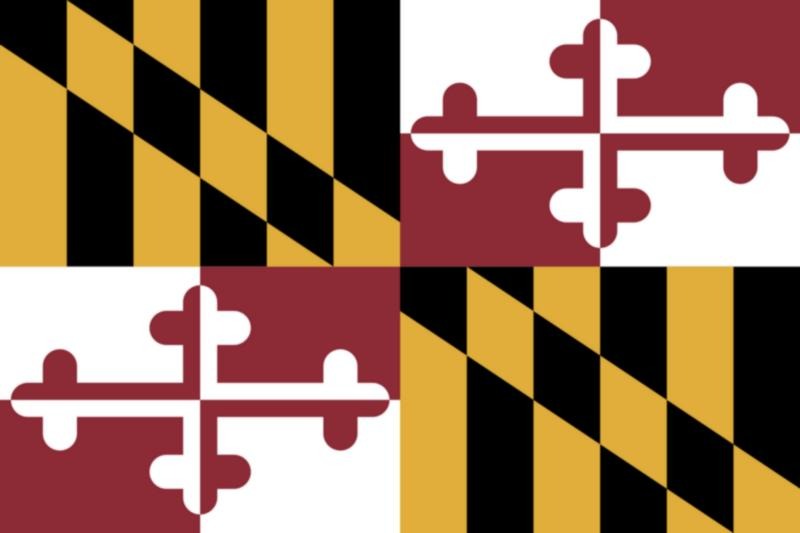
The Maryland state flag, black and gold Calvert quarters alongside red and white Crossland quarters.

That’s the flag. Before 1880, Maryland didn’t have one.

Maryland stayed in the Union, though there was heavy Confederate support in parts of it. The first casualties of the war were in Baltimore. The Union Army of Maryland flew the black and gold, which is the heraldic banner of George Calvert, the first Lord Baltimore. Baltimore City still uses that design as its own flag.

Secessionist Marylanders, a lot of whom fought under Robert E. Lee, the general who commanded the Confederate army, took the red and white Crossland banner as theirs. It got so widespread that a law was passed forbidding people from displaying those colours. If you got caught wearing them you were arrested for treason.

Fifteen years after the war, at a parade for Baltimore’s 150th, the state put the two halves together into one flag as a gesture of reconciliation between North and South. It became the official state flag in 1904.

Black Marylanders, who the war was fought over and who the Confederacy affected most, were never asked.

Why I drew it that way

For the top of the article I took the Crossland quarters out and put two figures in Ku Klux Klan hoods in their place.

That was the point. People look at the Maryland flag and don’t see a Confederate flag, because there’s no stars and bars on it. I wanted to make them look.

What happened in 2017

CBS Baltimore ran a story without talking to me or to April. Christina Tkacik at the Baltimore Sun talked to both of us. Debra Alfarone at WUSA9 did a video interview that went out on the DC evening news. Breitbart called it an attack by leftists.

Then Red Maryland, a right wing group, started a petition called “Save Maryland’s Flag,” saying the flag was under attack.

Governor Hogan had just taken the Roger B. Taney statue out of the State House in the middle of the night. Taney was the Chief Justice who wrote the Dred Scott decision in 1857, the ruling that said Black people could not be citizens and had no rights a white man was bound to respect. He was a Marylander, and his statue sat outside the State House until Hogan had it hauled off in the dark. That had the far right in the state furious with him. He posted his support for the petition and linked to it.
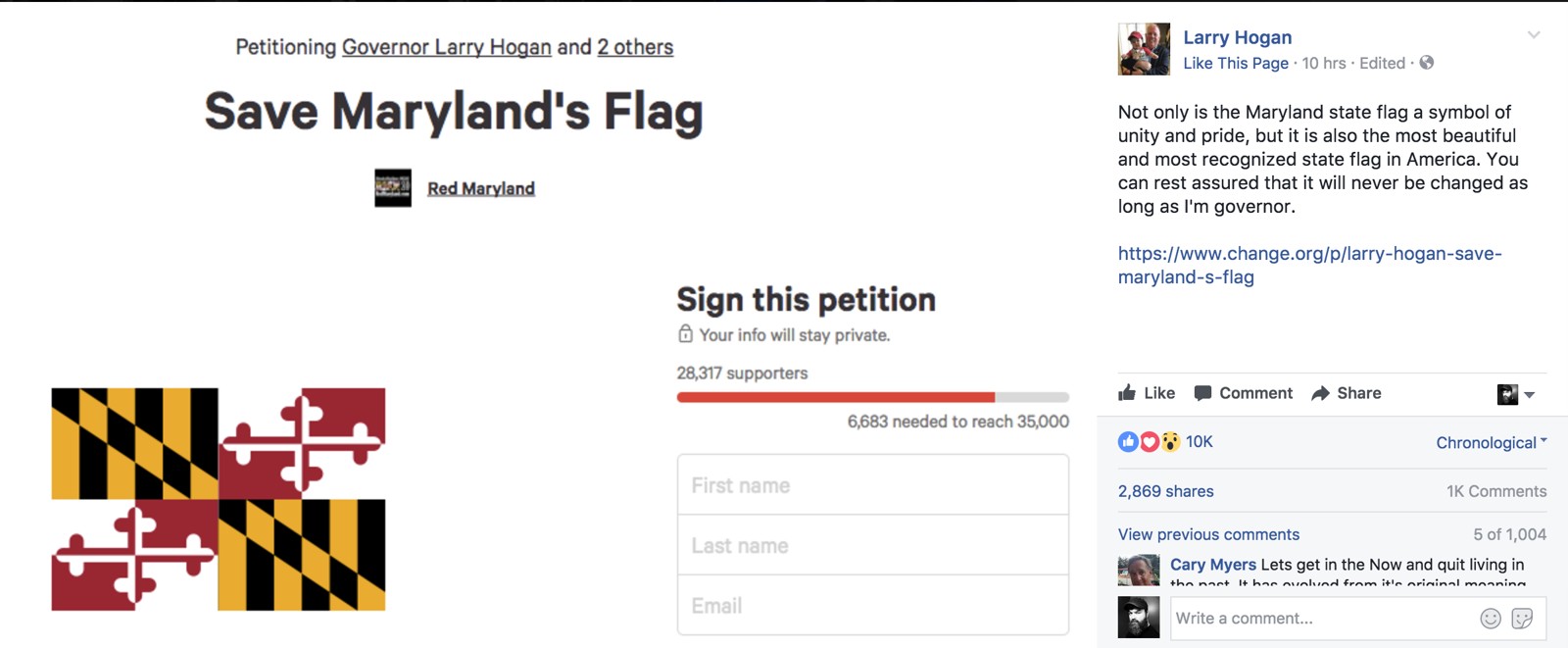
The Red Maryland Save Maryland’s Flag petition at 28,317 signatures, beside Governor Larry Hogan’s Facebook post saying the flag will never be changed as long as he is governor.

All of that to save the flag. From me, apparently.

I have never once called for the Maryland flag to be changed. Not then, not now.

This month

Somebody took the illustration out of the article and put it in a document about tennis matches. Somebody chose it. Out of the article it is just a Maryland flag with Klan hoods on it, and that is what the Howard players opened.

I messaged Howard’s tennis club on Instagram to tell them I was sick about how it had been used. They wrote back and said mine was the first apology they’d gotten from anybody.
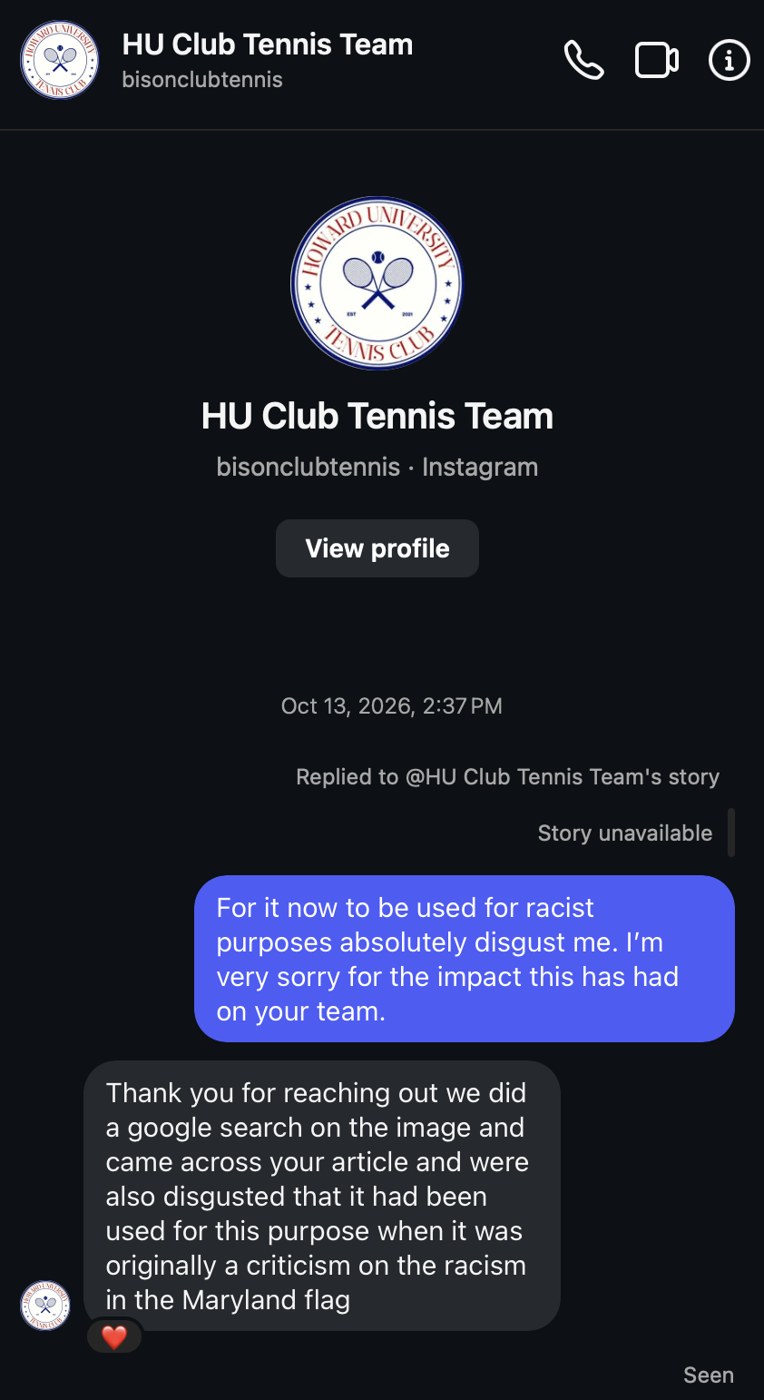
Instagram message exchange in which Benjamin Jancewicz apologises to Howard University’s tennis club for how his illustration was used, and they reply that his was the first apology they had received.

I don’t buy that it got there by accident. Before all this, the only way that image came up in a search was if you searched for “racist Maryland flag.”

Reporters kept asking me how I felt about it. What I kept telling them is that the students this was done to are the ones who should be centred in this, and that I am not the person to ask. Howard University News Service and The Diamondback both covered it properly.

Dr. Jeanette Snider and Dr. Rashawn Ray called me from the Bowie State and University of Maryland Social Justice Alliance. It’s a partnership between the two schools and the 2nd Lt. Richard W. Collins III Foundation.

Collins was murdered on the University of Maryland campus in an act of racial hatred in May of 2017, a few months before I made the illustration. It tore through the state. I was in Baltimore for it, the same way I’d been in the streets there for years before and have been since.

On Wednesday I sat down with students from Maryland and Howard and Maryland’s NAACP chapter, to talk about how the illustration got made and what white people who want to help with this are actually good for.

What I told them is that they get to paint, in whatever colours they want, how history remembers this moment.

What it’s like

This is work I believe in and it is not fun to do.

In 2017 I got hate mail for weeks. I got it again this month. Most of it came through comments online. These two came in minutes apart under different fake names.
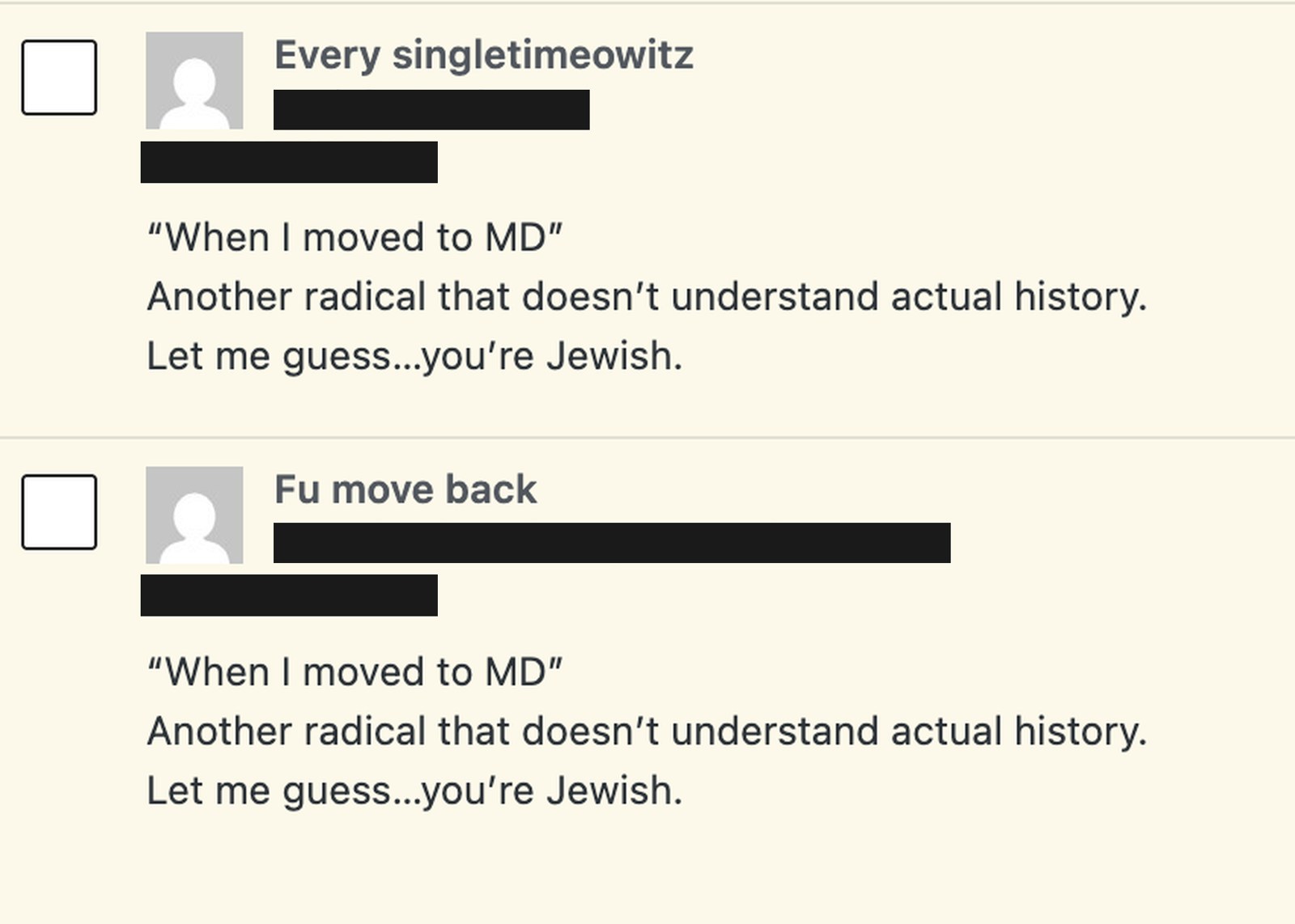
Two abusive comments received in October 2026, sent minutes apart under different fake names. Email addresses and IP addresses have been redacted.

That’s the mild end of it. I’ve been targeted before for calling the Maryland flag what it is, and I knew that would start up again the moment the illustration resurfaced.

What I actually want

People look at my illustration and recoil. Good. That’s what it’s for.

What I want is for people to have that same reaction to the regular Maryland flag. Not my version. The real one, the one on the tattoos and the crab shacks and the State House. What I drew is what the thing already represents. People are bothered by the hoods and not by the flag. Those are the same thing.

Whether that flag changes is not my call, and it never was. Black Marylanders are the ones who should decide whether they want Confederate symbols on the flag that represents them. They weren’t asked in 1880 and they haven’t been asked since.

Benjamin


A note, since it’s been a while.

Since August I’ve been working full time for the Naskapi Nation of Kawawachikamach. Design, photography archiving, language documentation, community communications.

I write about it every month on Patreon. Long posts with a lot of pictures. The drive north, the train, a men’s gathering out on the land, the artifacts that came home from the museum.
A Farewell to Ronald Sandy Pien

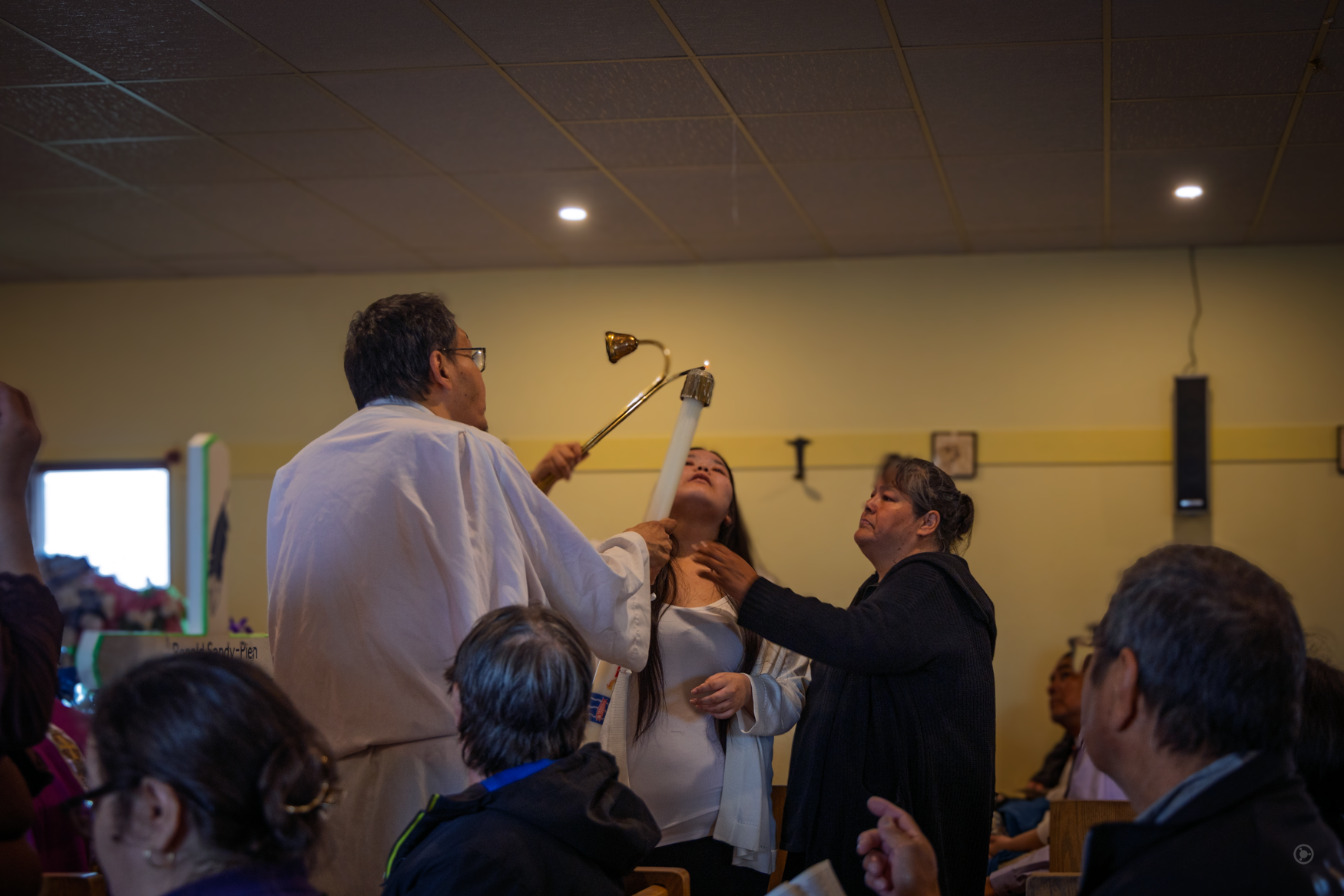
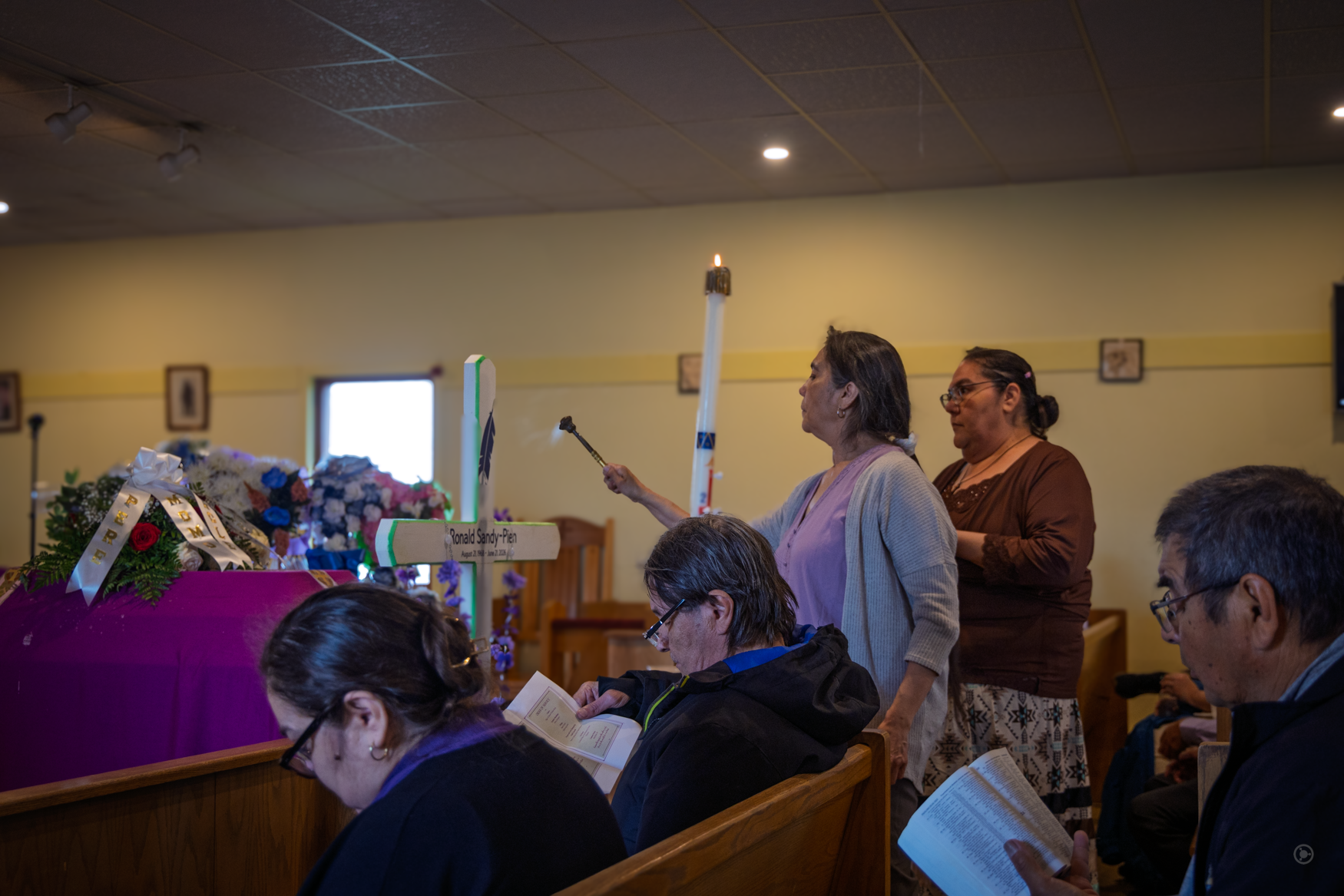
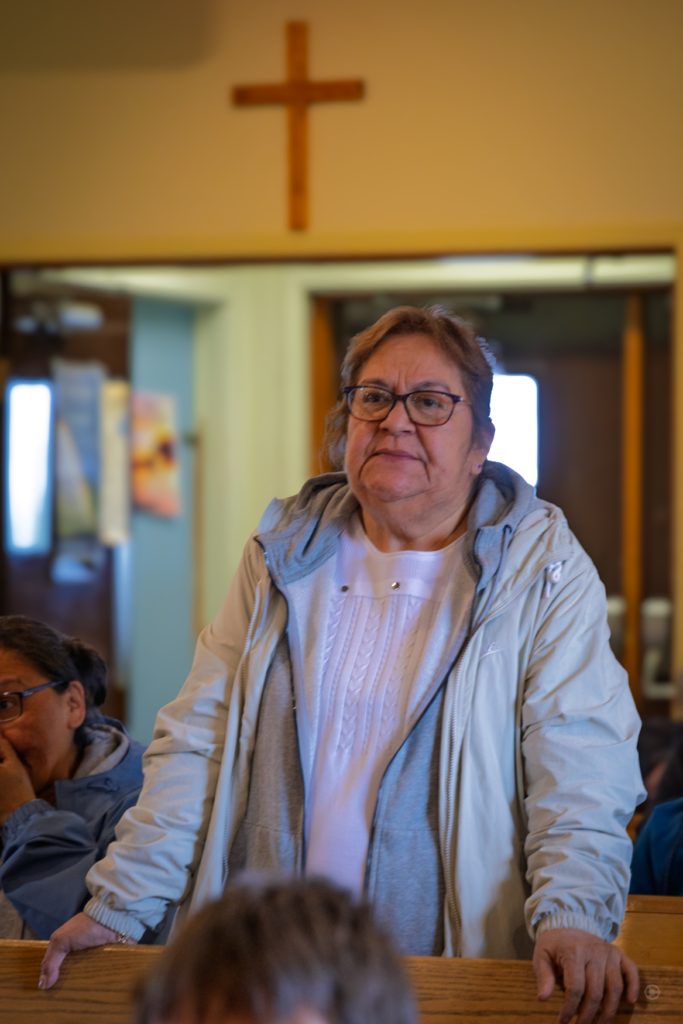
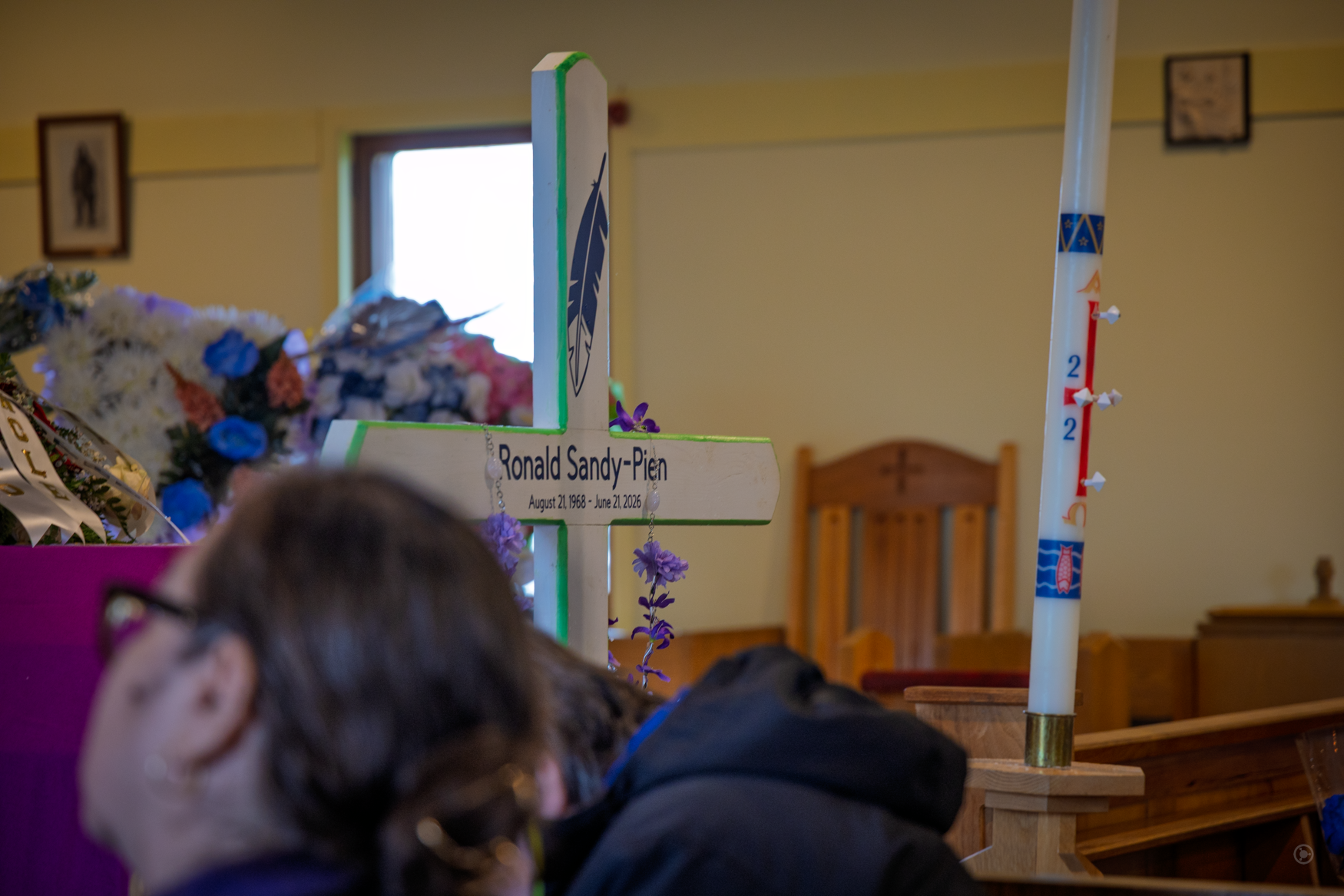
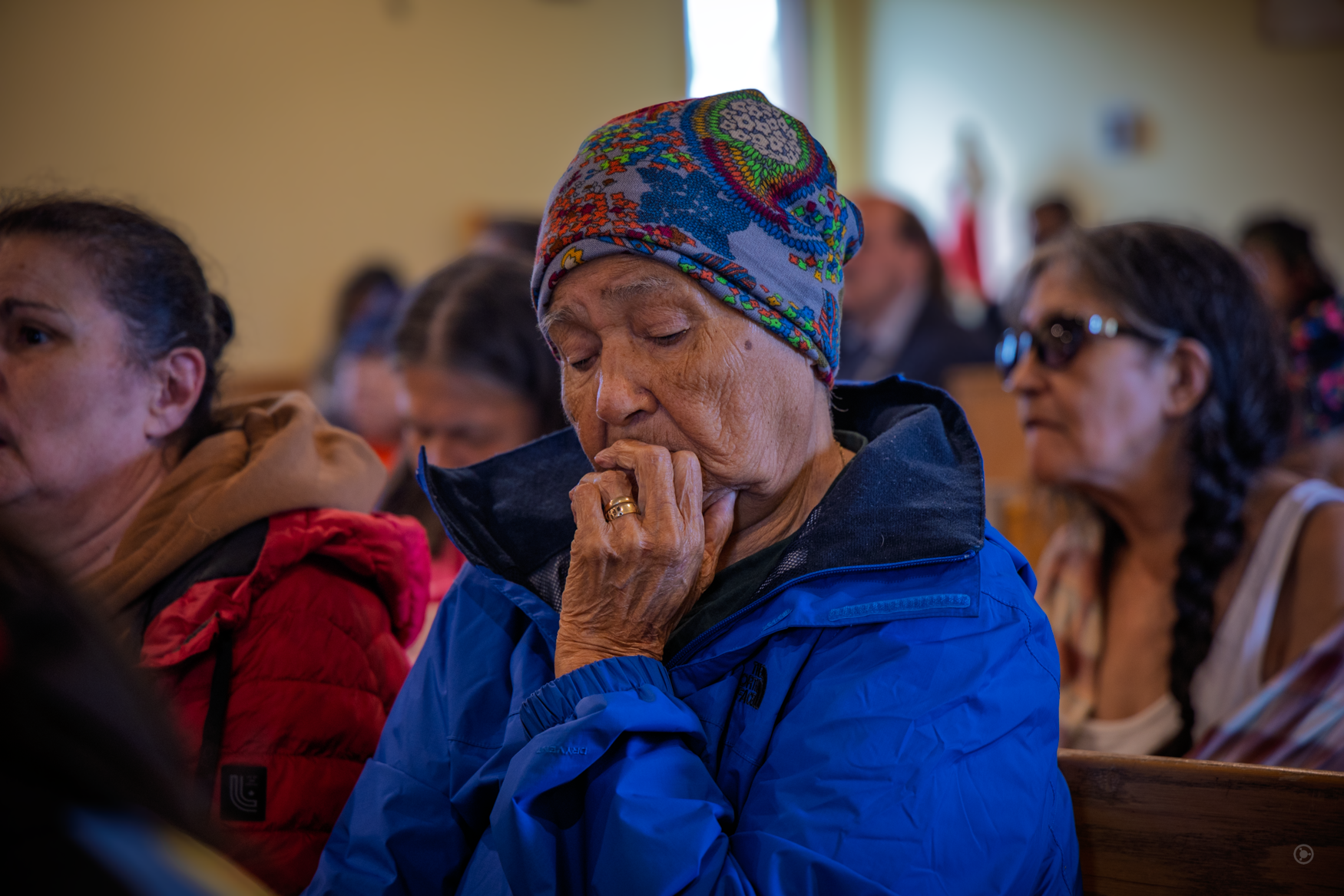
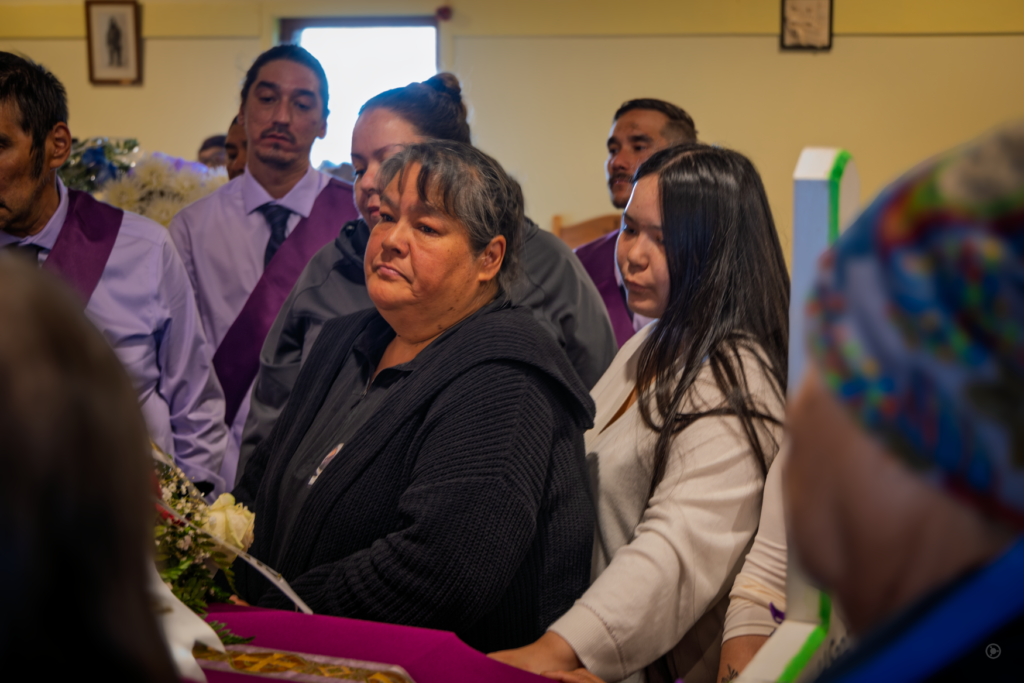
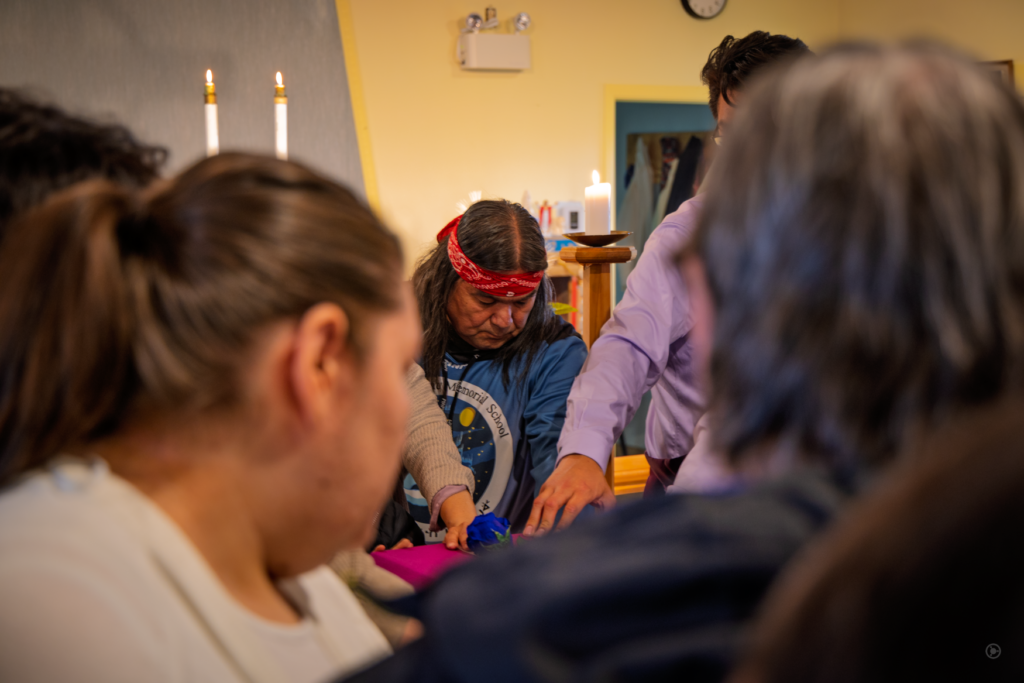
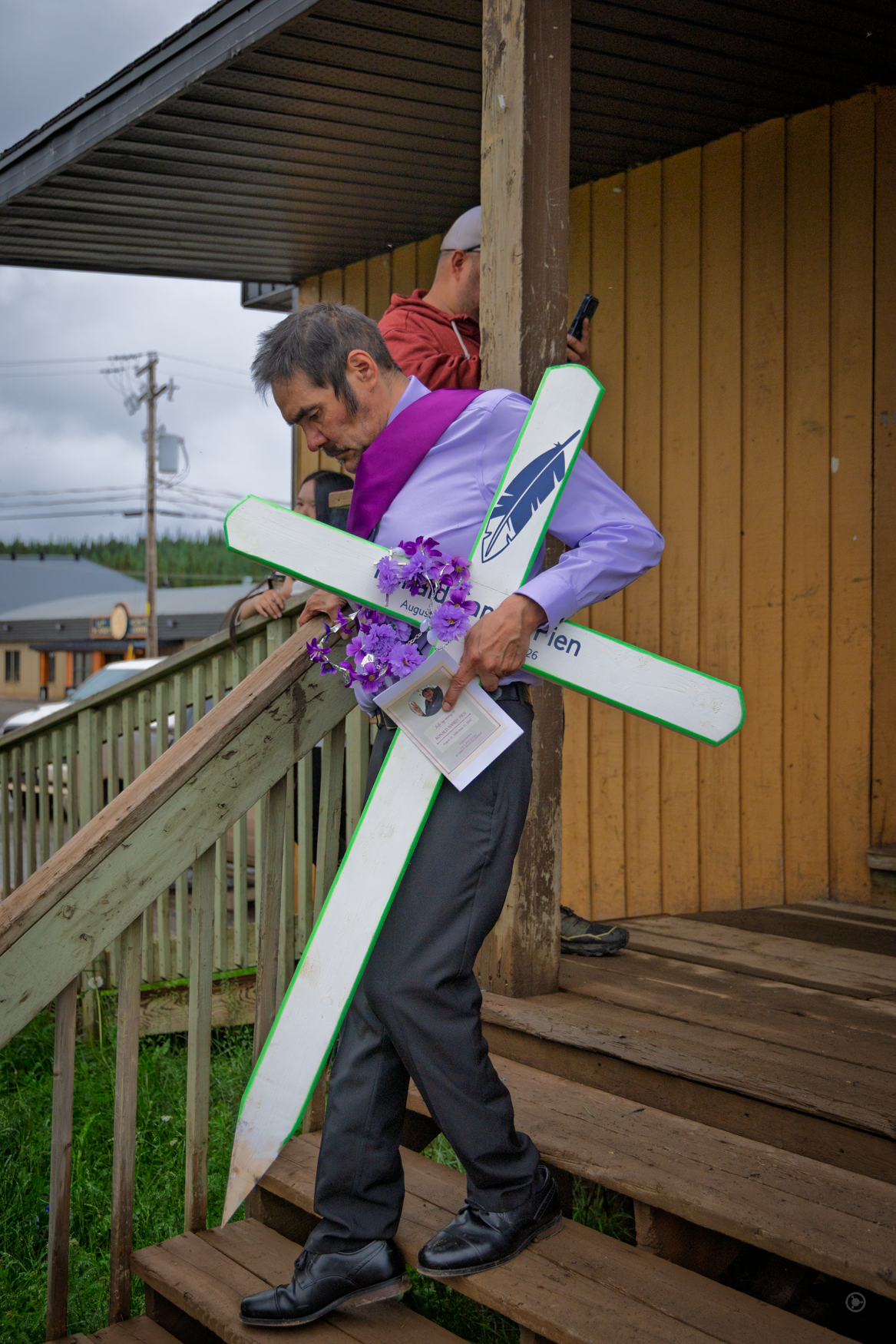
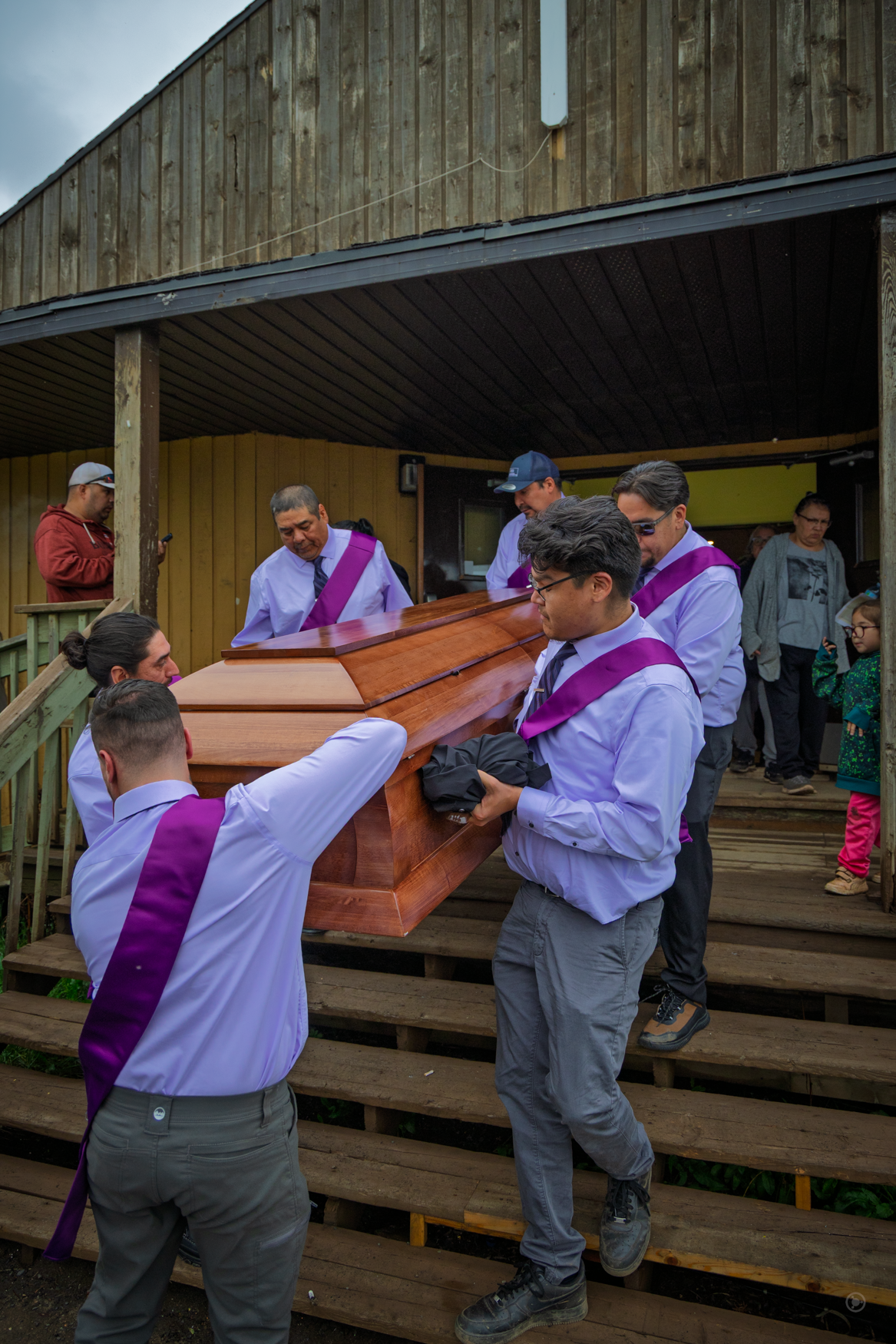
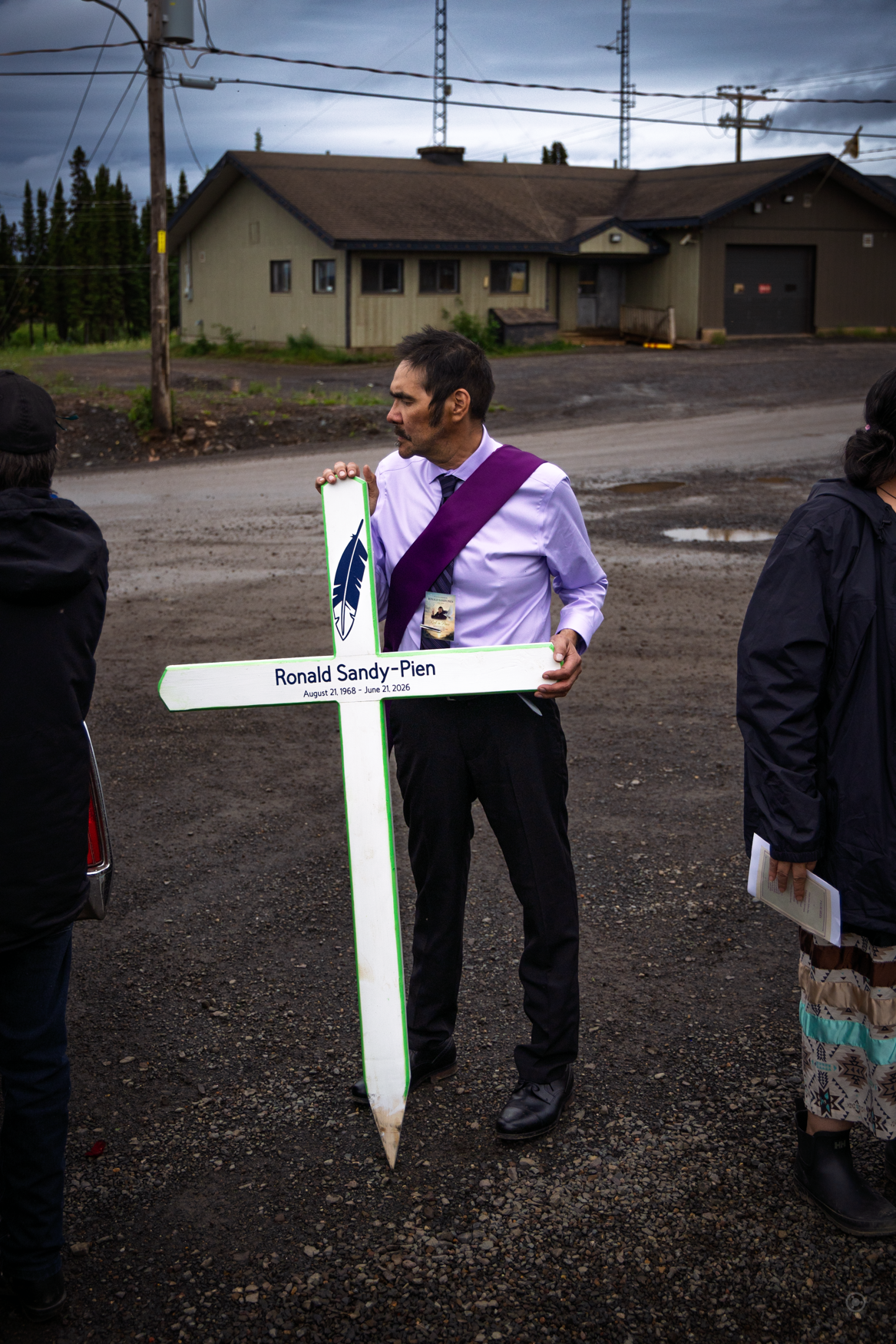
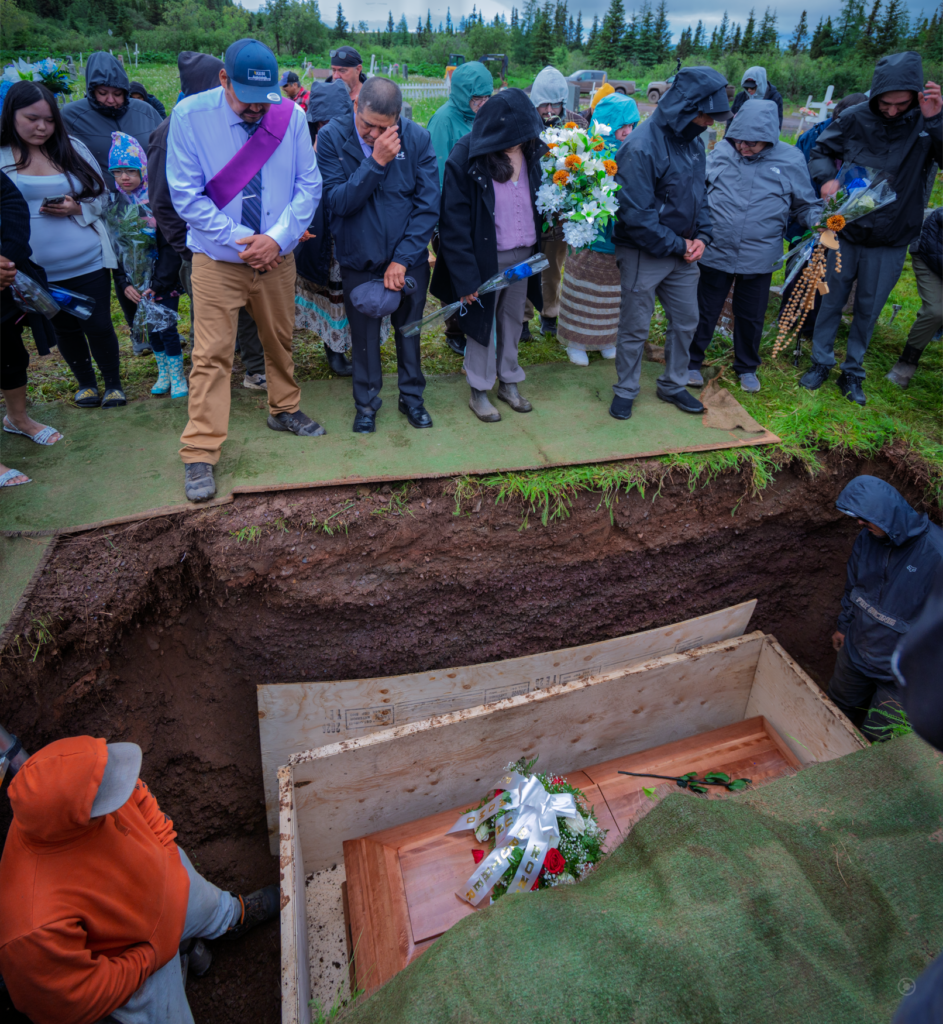
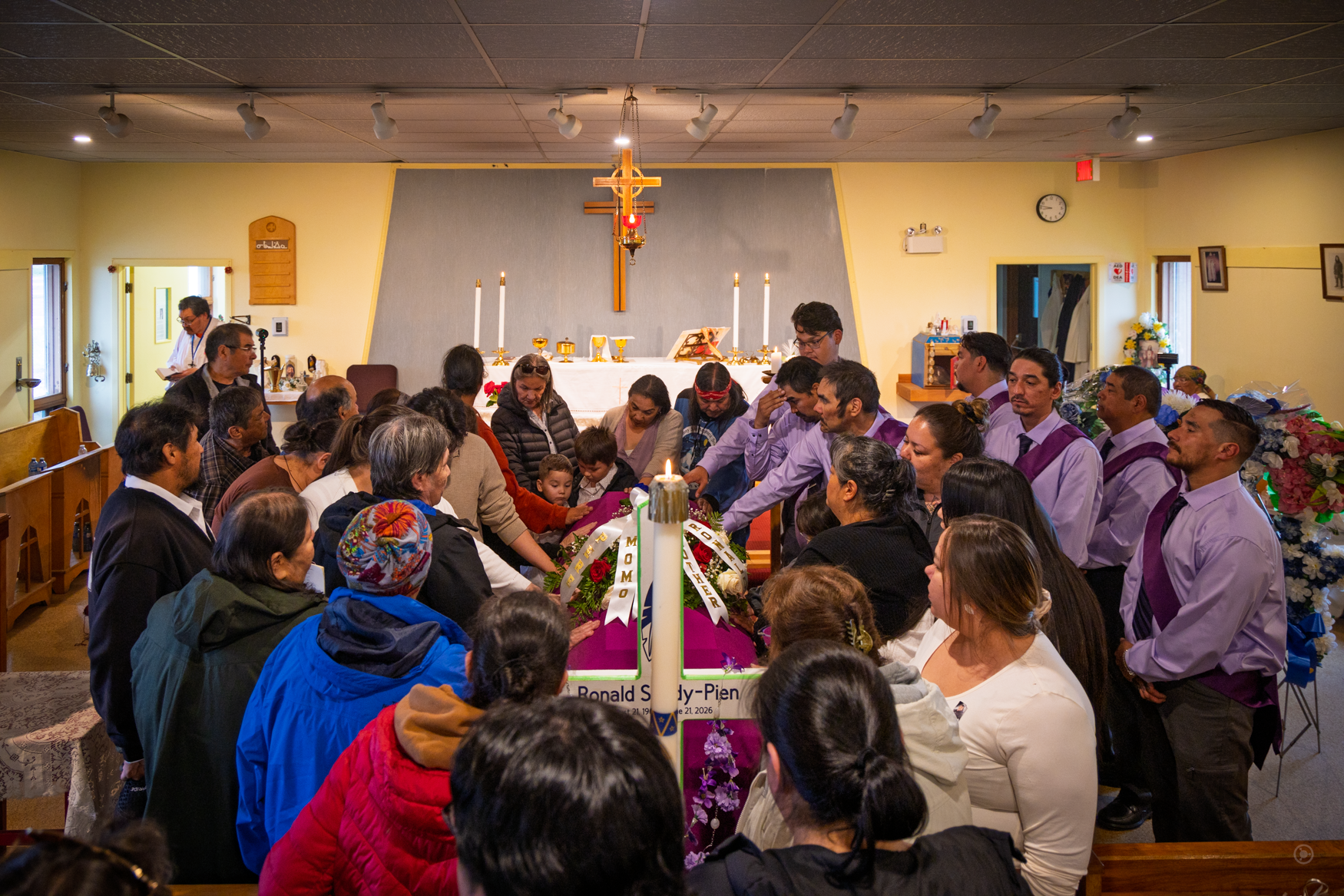
Yesterday, the community gathered in Kawawachikamach to lay Ronald Sandy Pien to rest. He was 57. He had been living in Sept-Îles, and in June, his life was taken by violence. He was brought home to be buried.

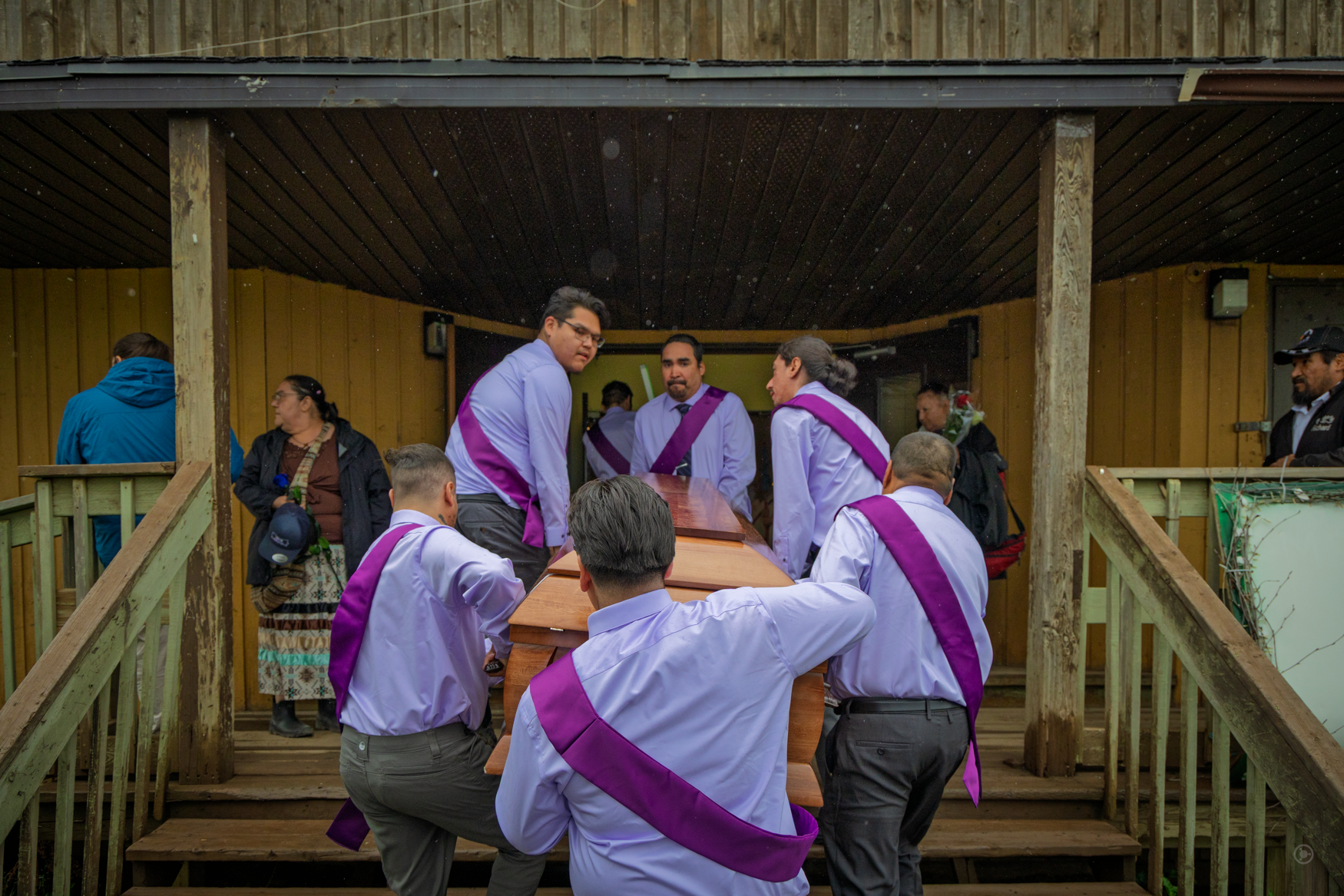
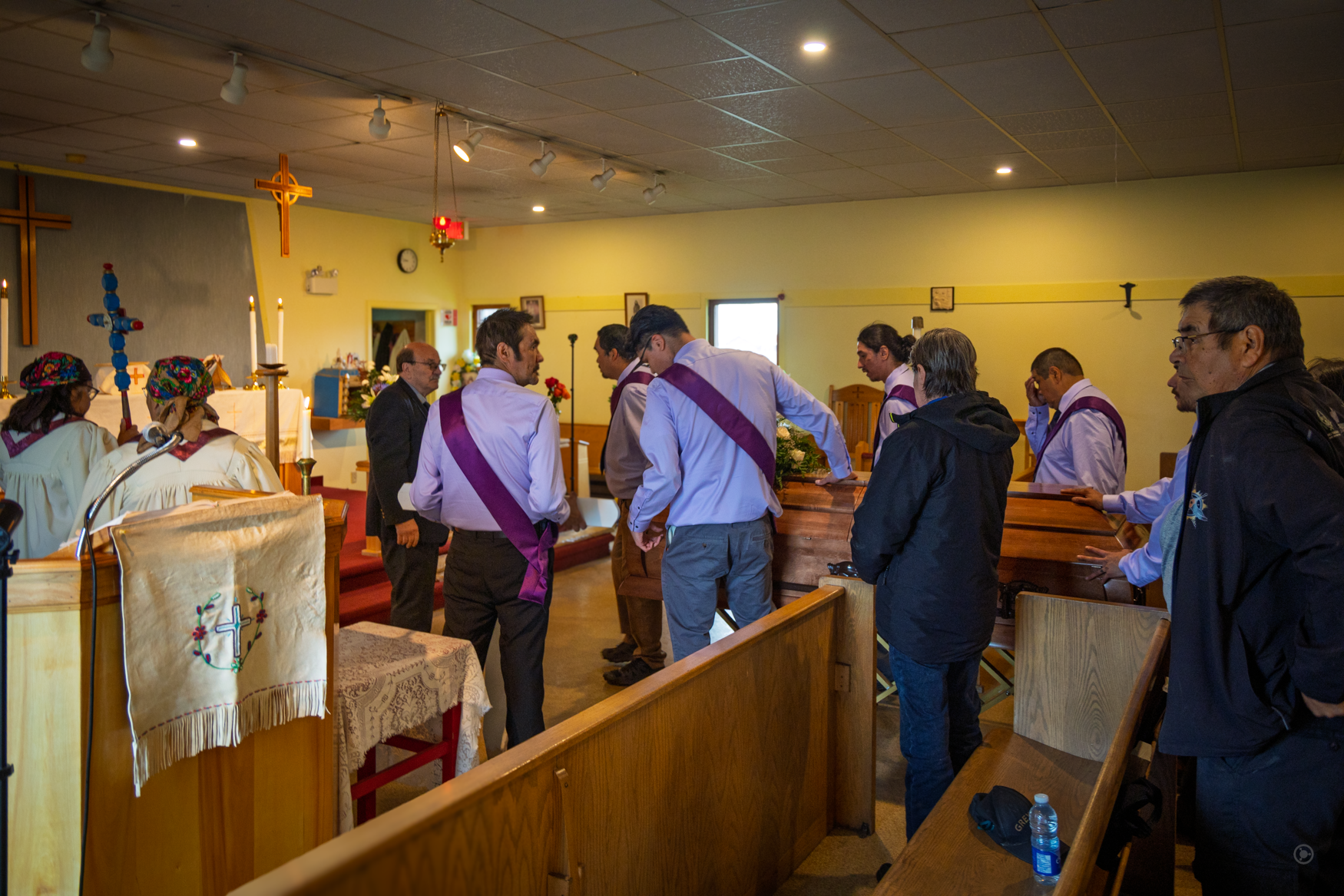
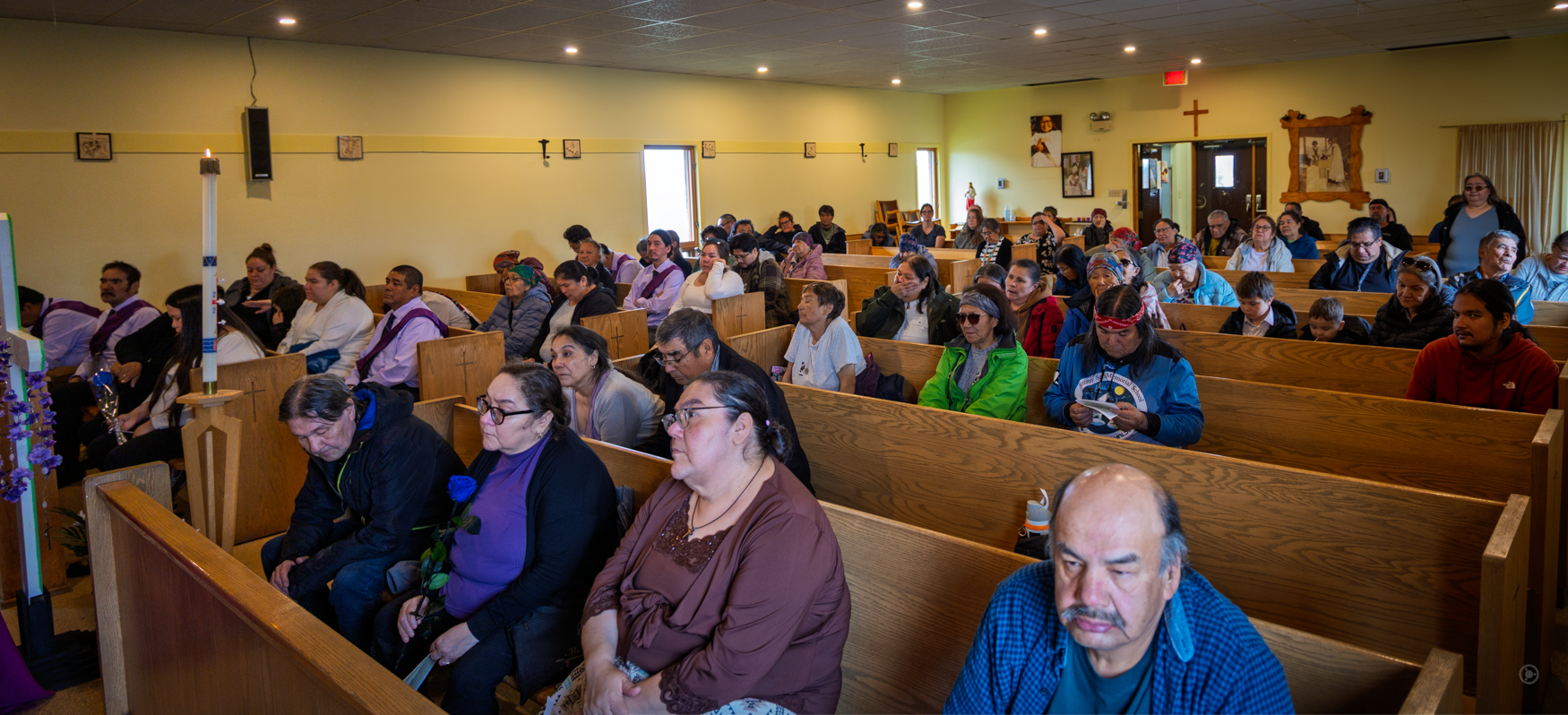
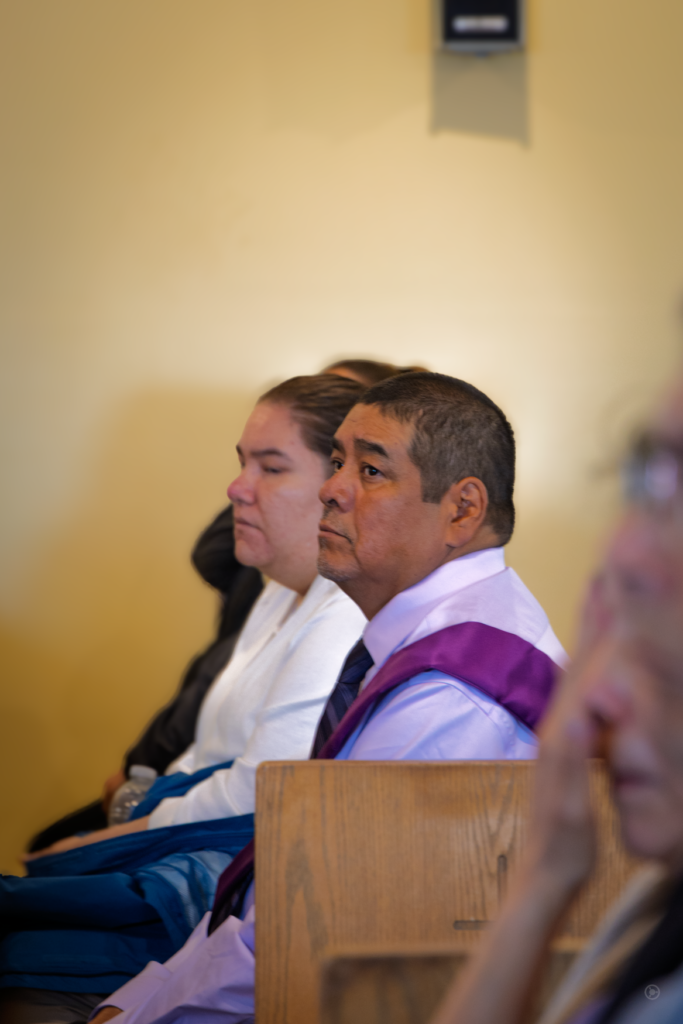
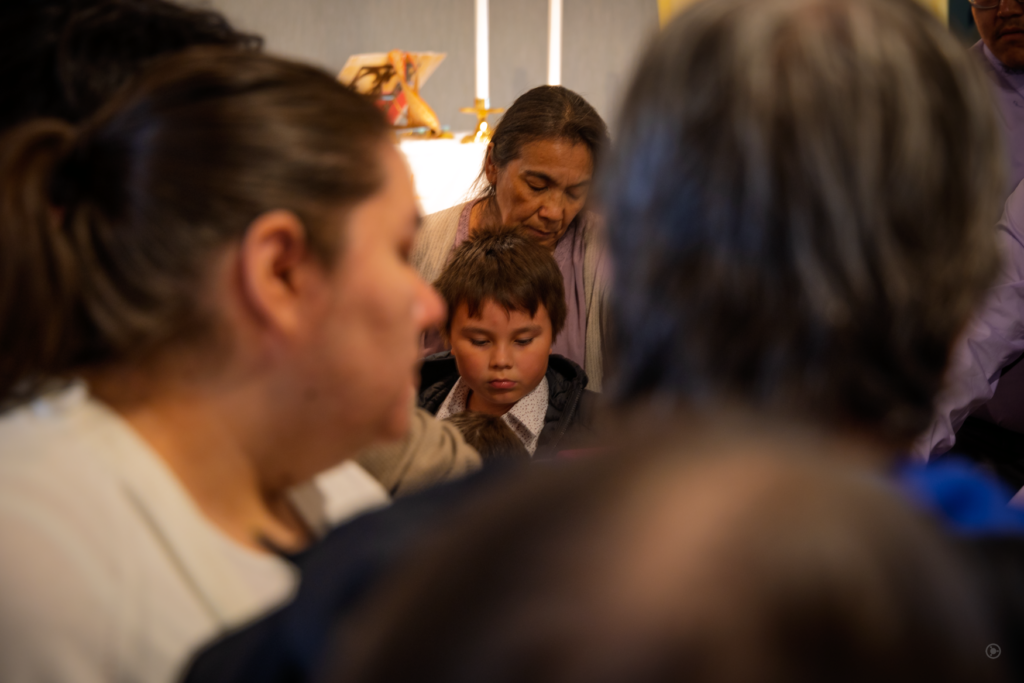
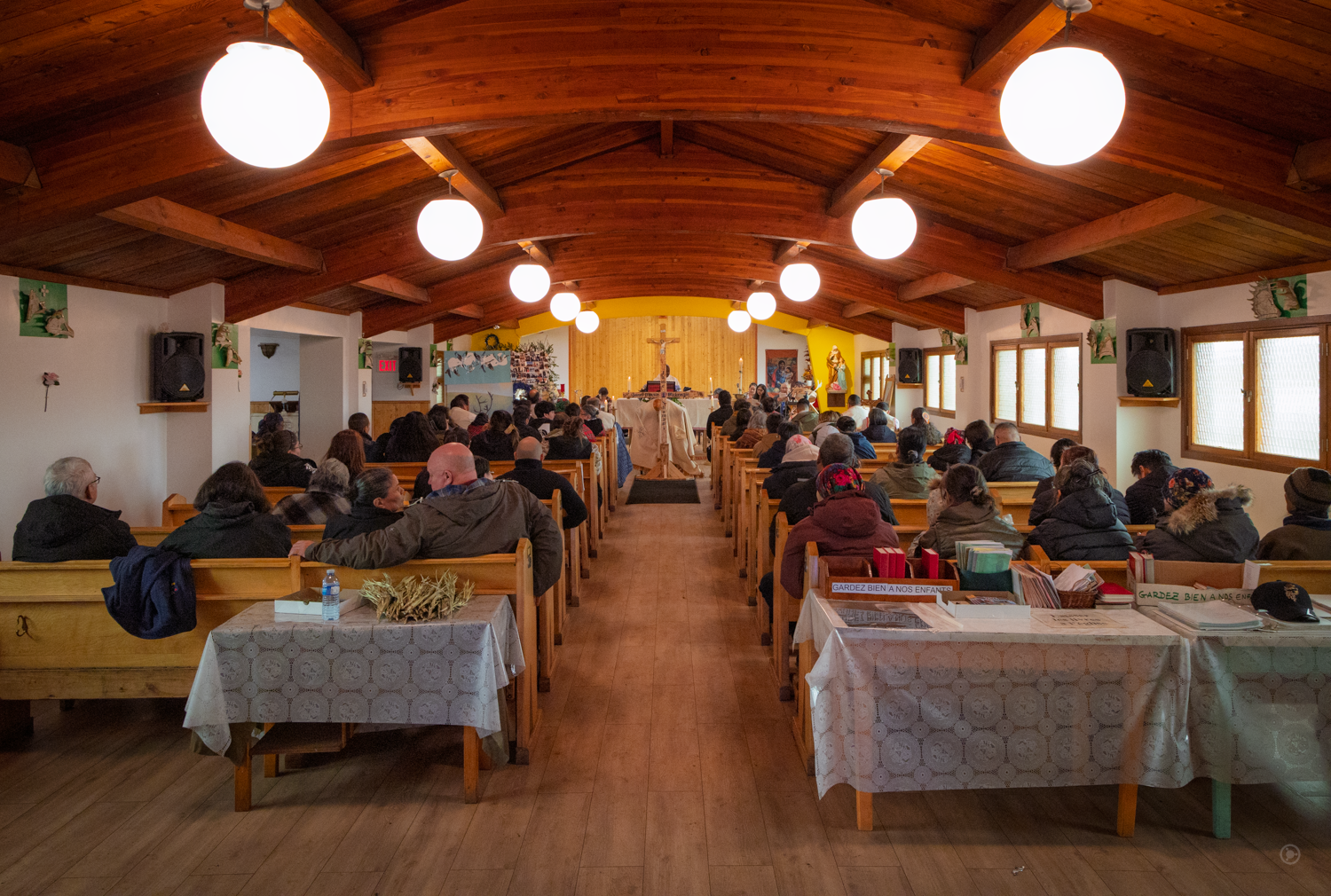
The funeral was set for 2, but word went around on Facebook that it had been pushed to 4. So many people down south wanted to be there that they needed the time to fly up. By the time it started, the church was already full, and it kept filling up throughout the service.

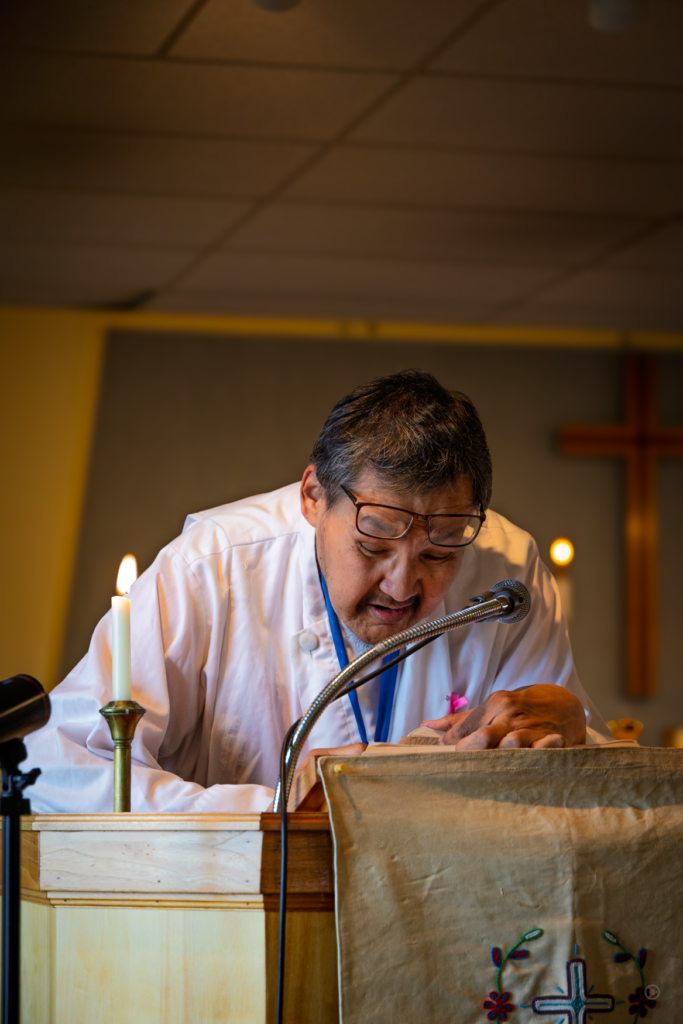
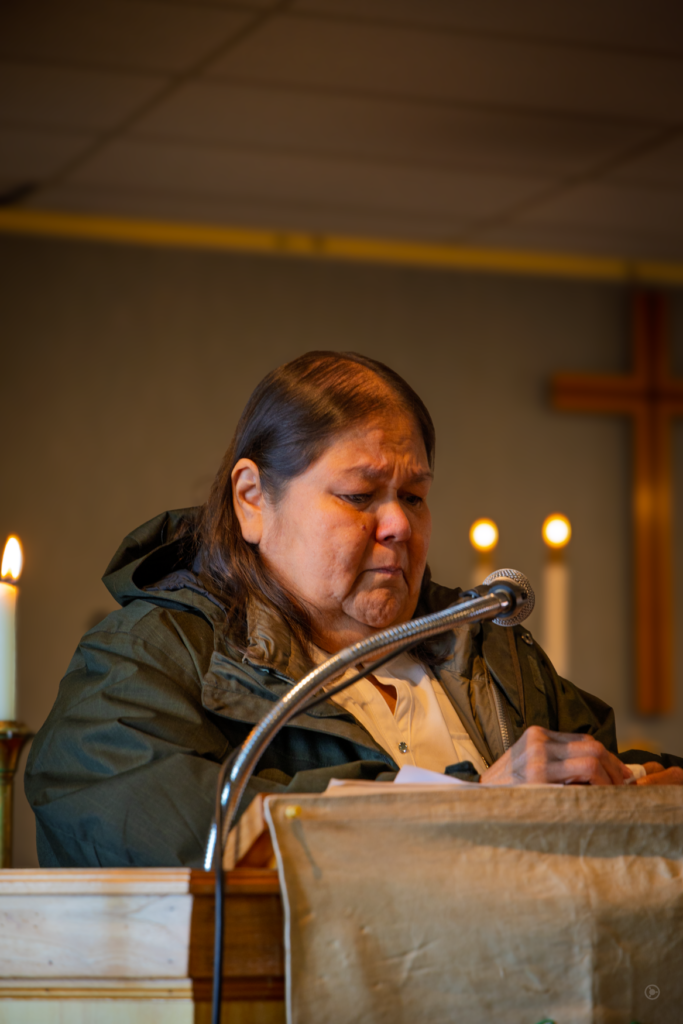
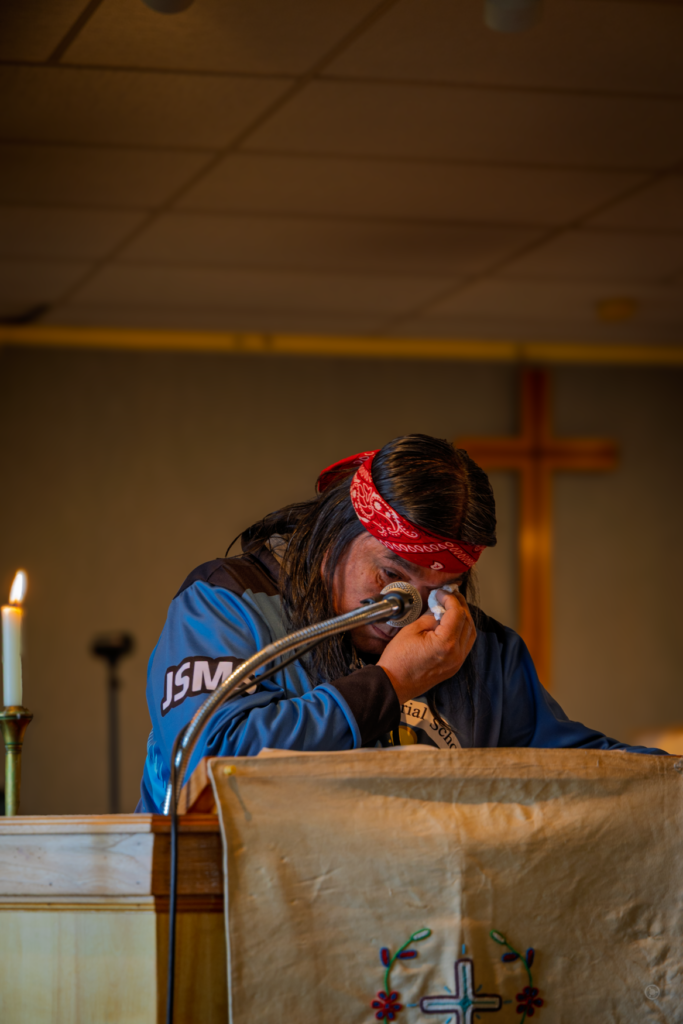
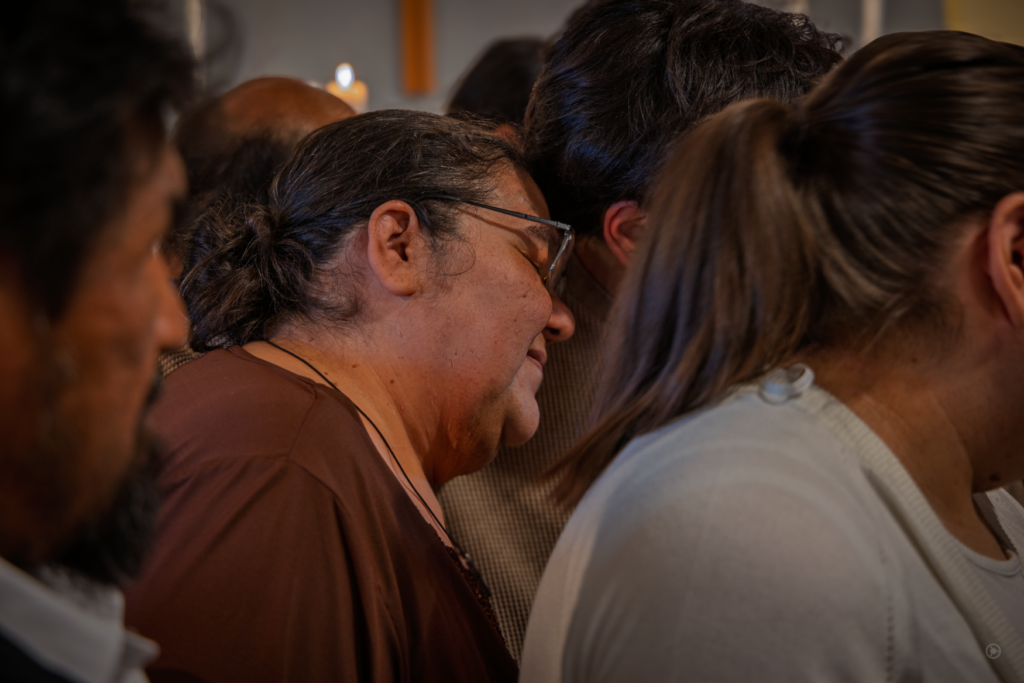
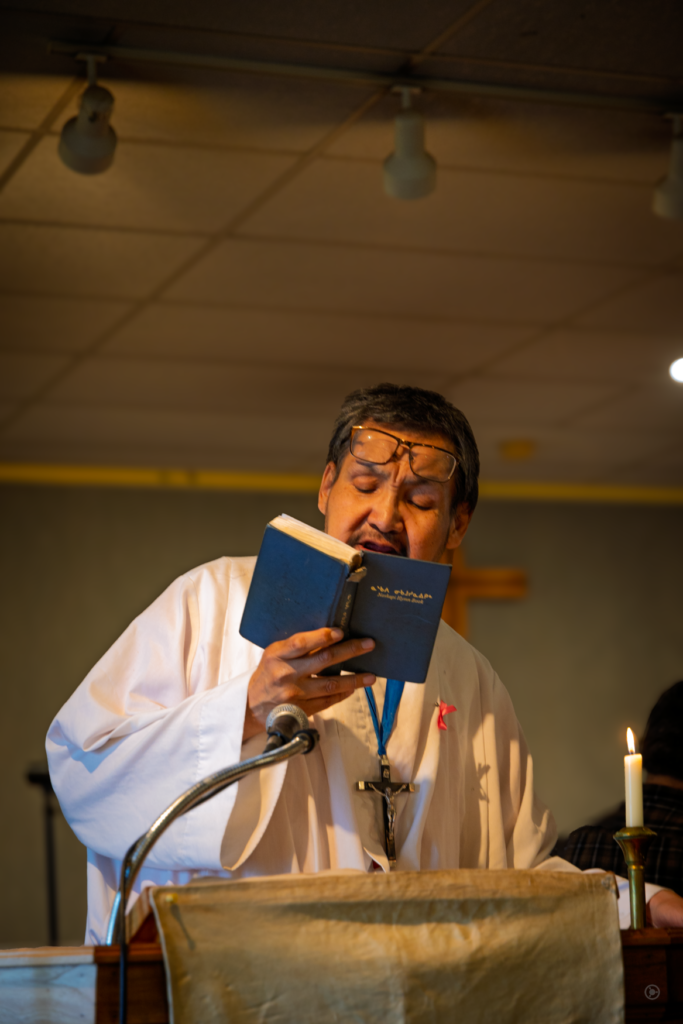
It was one of the longest funerals I have been to. So many people had something to say in his memory, and about what has been happening. I got up to speak for myself. The chief could not be there, so I read what she had written.

To my community,

My heart is heavy as I write this. Like so many of you, I have been thinking of the death of Ronald Sandy Pien, a Naskapi whose life was taken by violence. That loss has stayed with me, and I know it has stayed with many of you, too.

His passing has me thinking hard about something we do not talk about enough.

Bullying is not small. It is not something children simply grow out of. We have watched it grow into adult cruelty, into name-calling, into shaming, into belittling, and into violence. We have watched it take people we love. Some were beaten. Some carried wounds we could not see until it was too late. Some of them were so very young.

I carry my own memories of this. I know what it is to be a child and to feel like you cannot go on. Too many of us know that feeling, and we have carried it in silence for too long.

Bullying should have no place in Kawawachikamach. Cruelty should have no place here. Name-calling, shaming, belittling, threatening one another, none of it should belong in our community.

We can choose something better, and we can begin today. We can teach kindness at home, in our schools, and everywhere we gather. We can stand beside the ones being hurt instead of looking away. We can speak up when we see someone treated badly, in person or online. And we can check on each other, especially the ones who seem to be struggling.

If you are hurting right now, please reach out. Come to an Elder, to a teacher, to anyone you trust. You are not alone, and you are not a burden to anyone. Your life matters to this community far more than you know.

If you need someone to talk to and you are not ready to talk to someone you know, the Hope for Wellness Helpline is there for Indigenous people across Canada, day or night, at 1-855-242-3310.

We are Naskapi. We have carried each other through so much already. We can protect one another.

With love, and with strength, Chief Louise Nattawappio

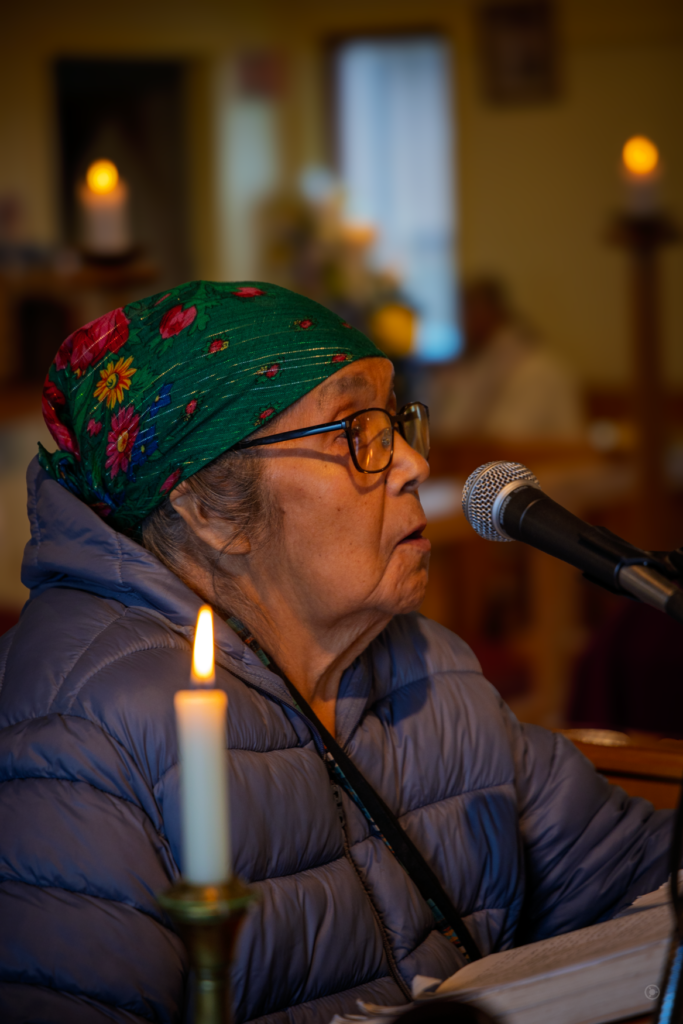
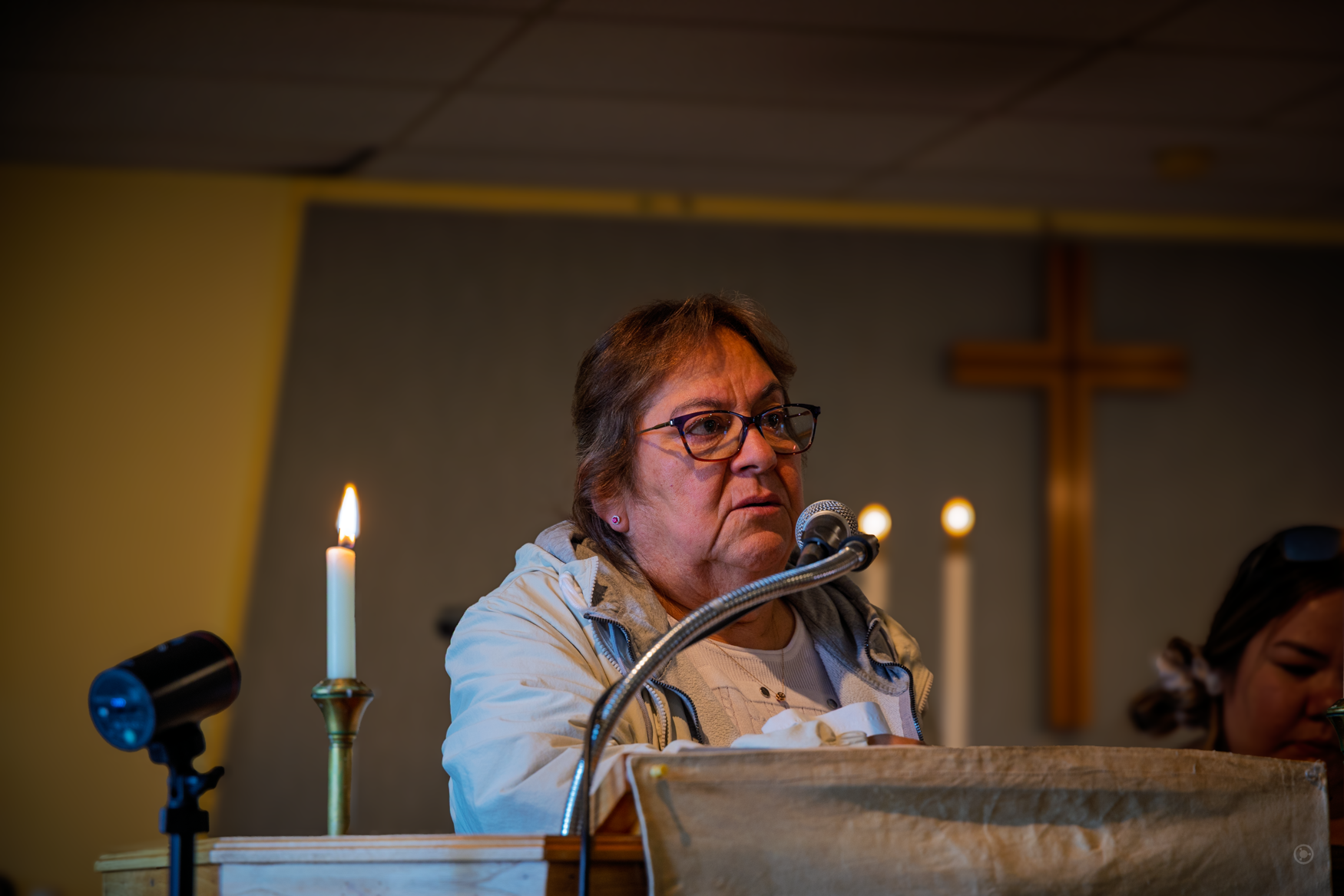
Some spoke about Ronald. Some spoke about what has been happening, and what has to change.


It went on long past when a funeral usually ends. Nobody rushed it.


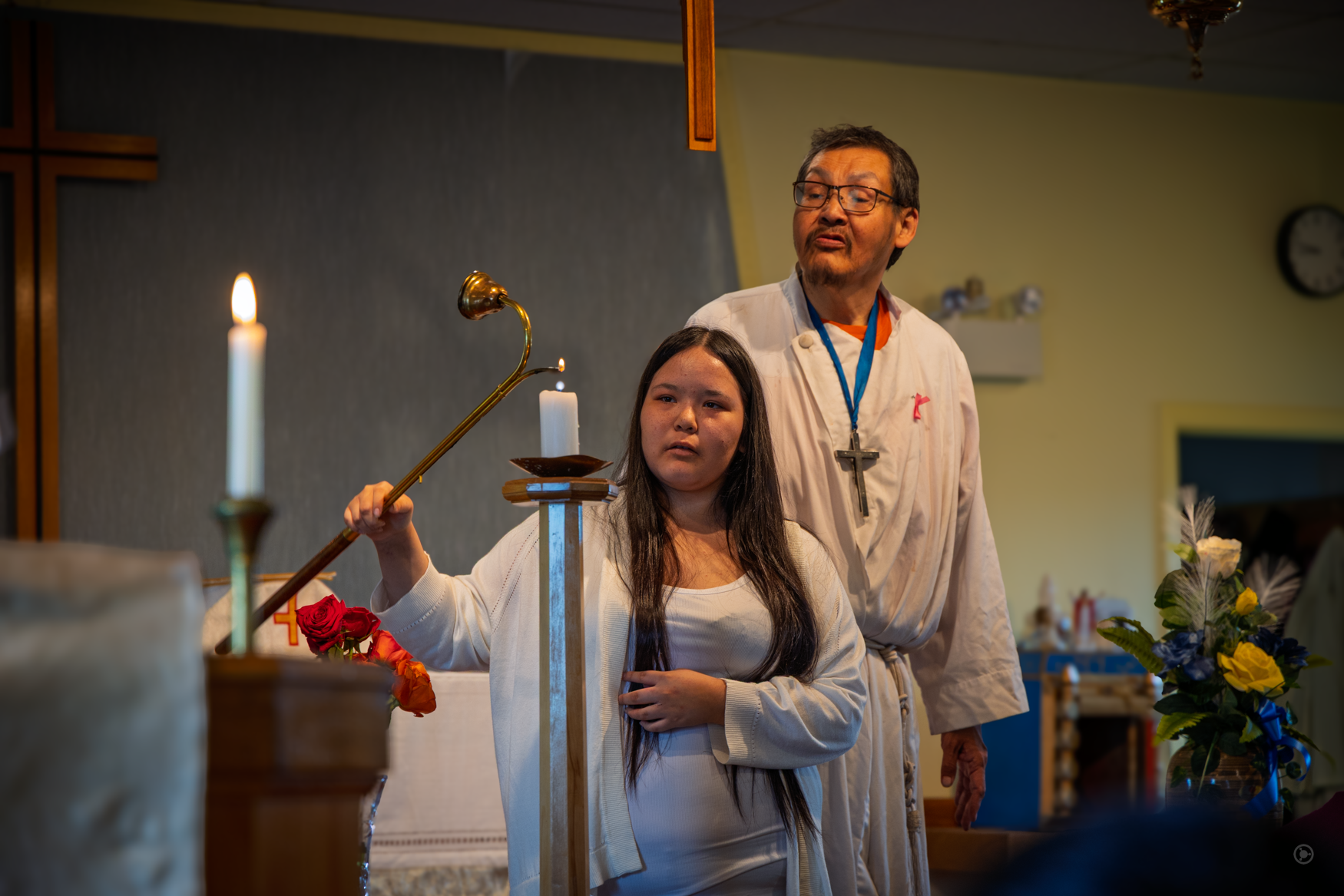
The room listened and journed together.


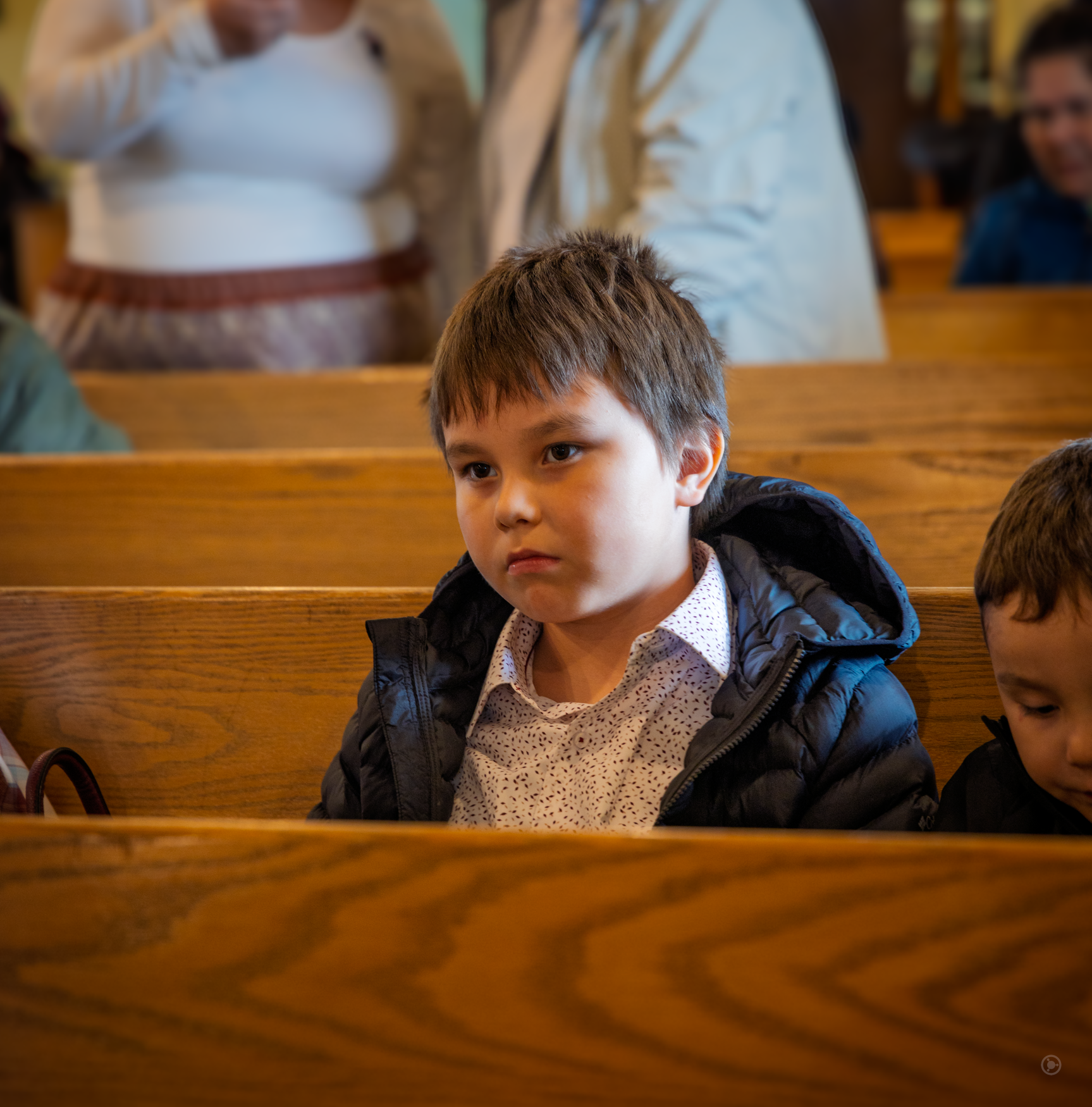
The children were there for all of it.


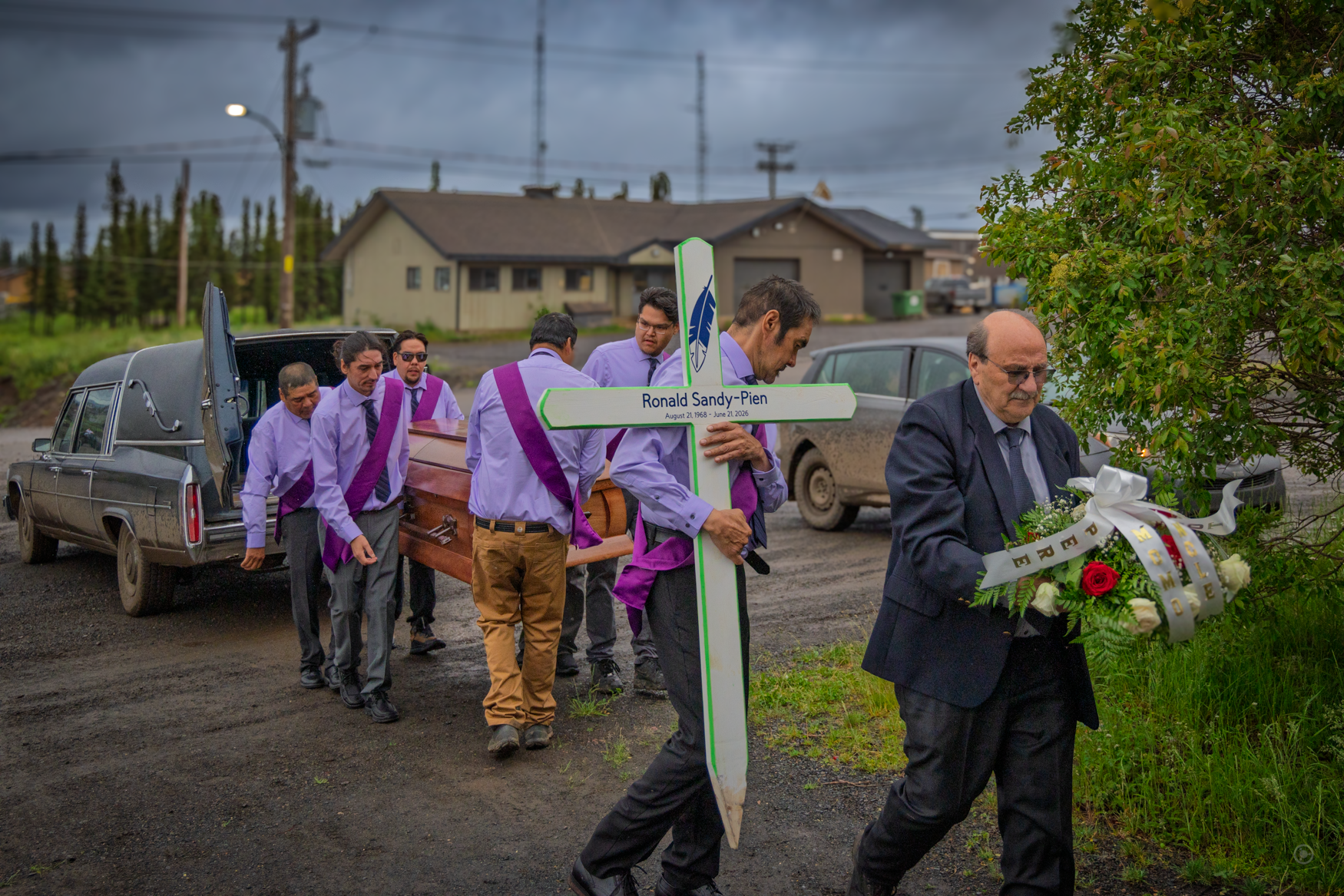
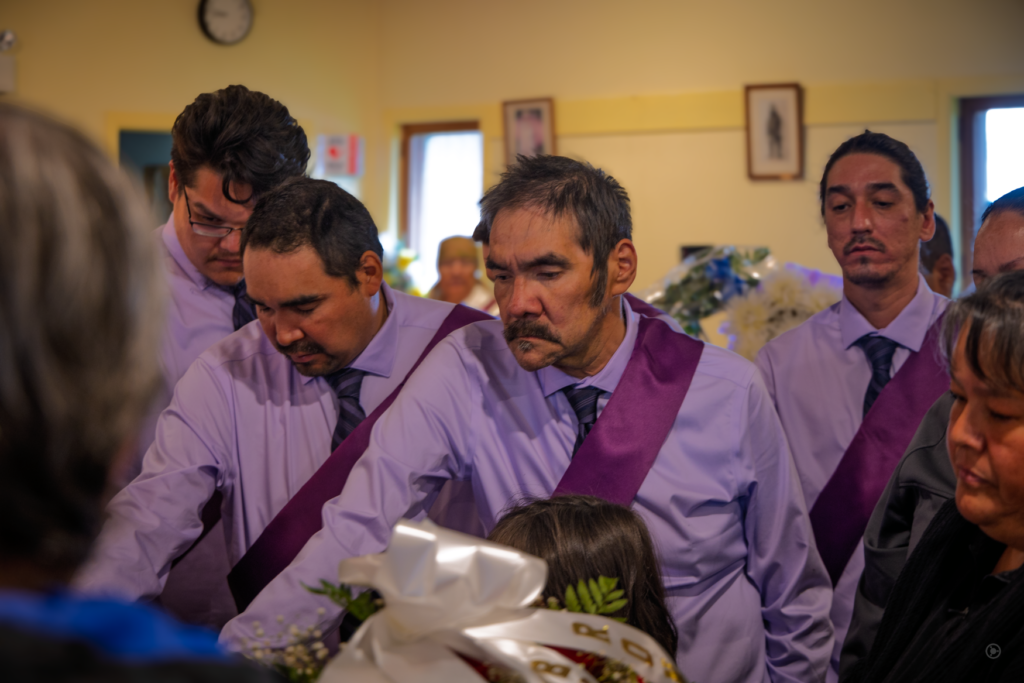
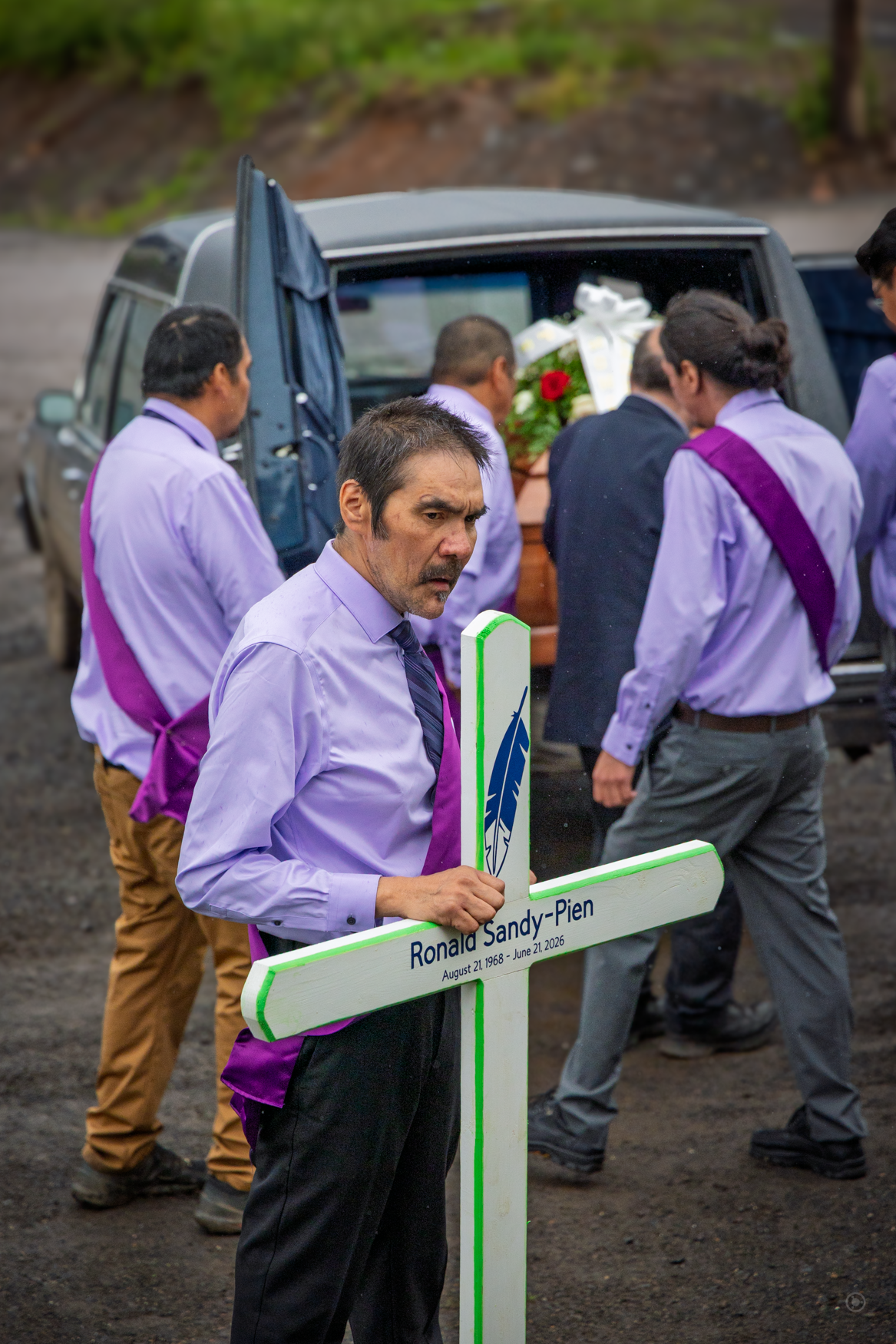
When it was finally over, the cross led the way back out.


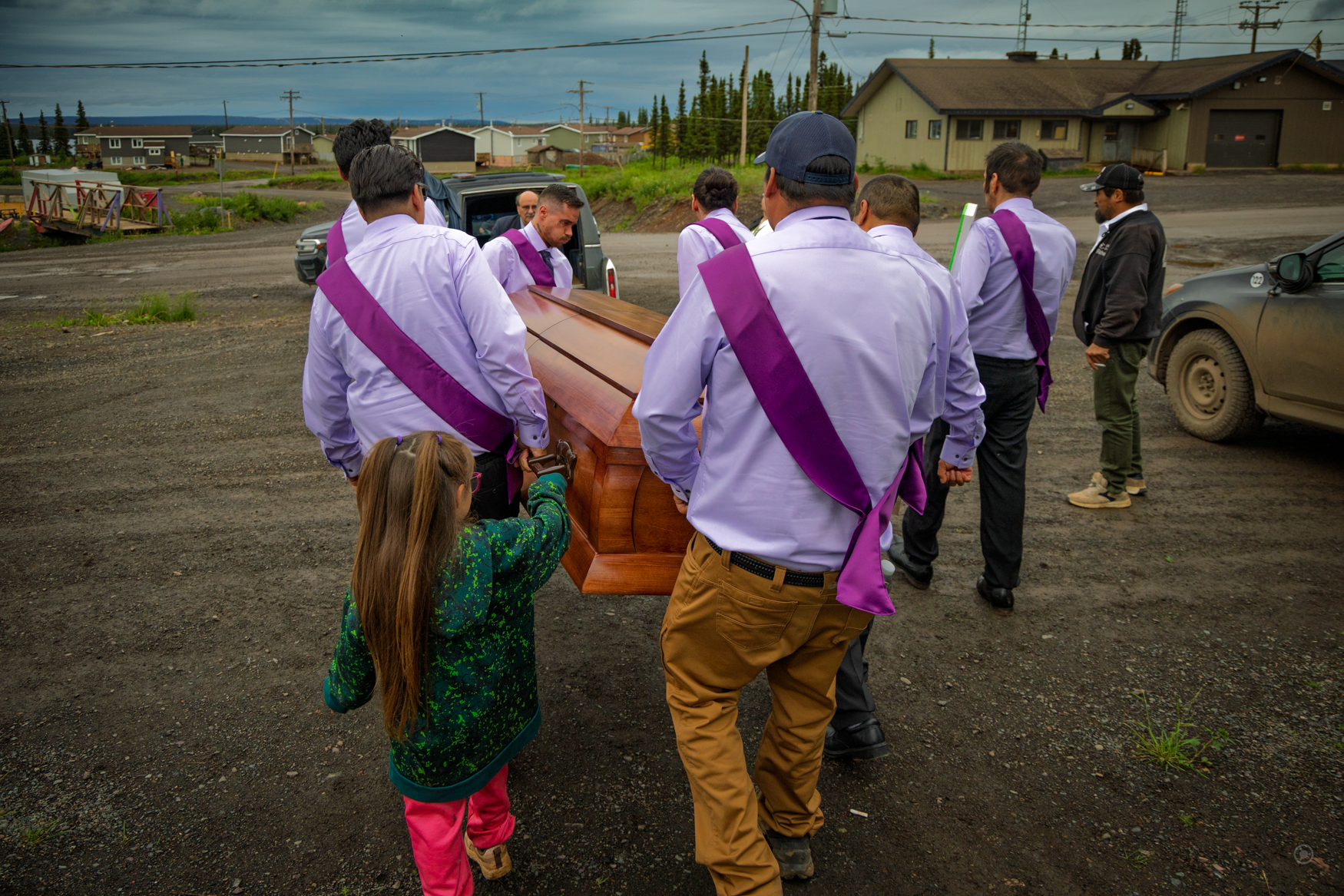
Maddison reached up and kept her hand on the casket the whole way to the hearse.


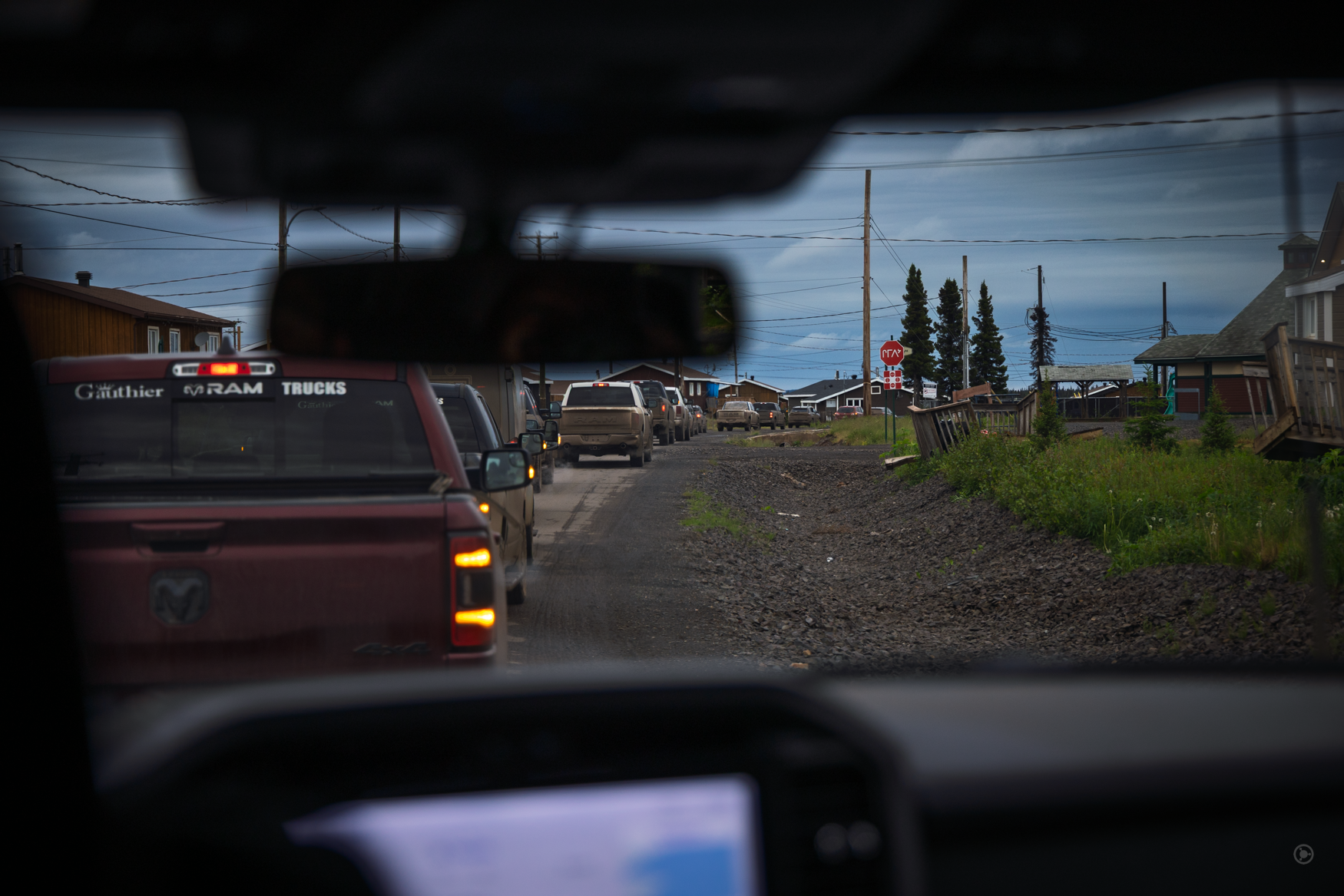
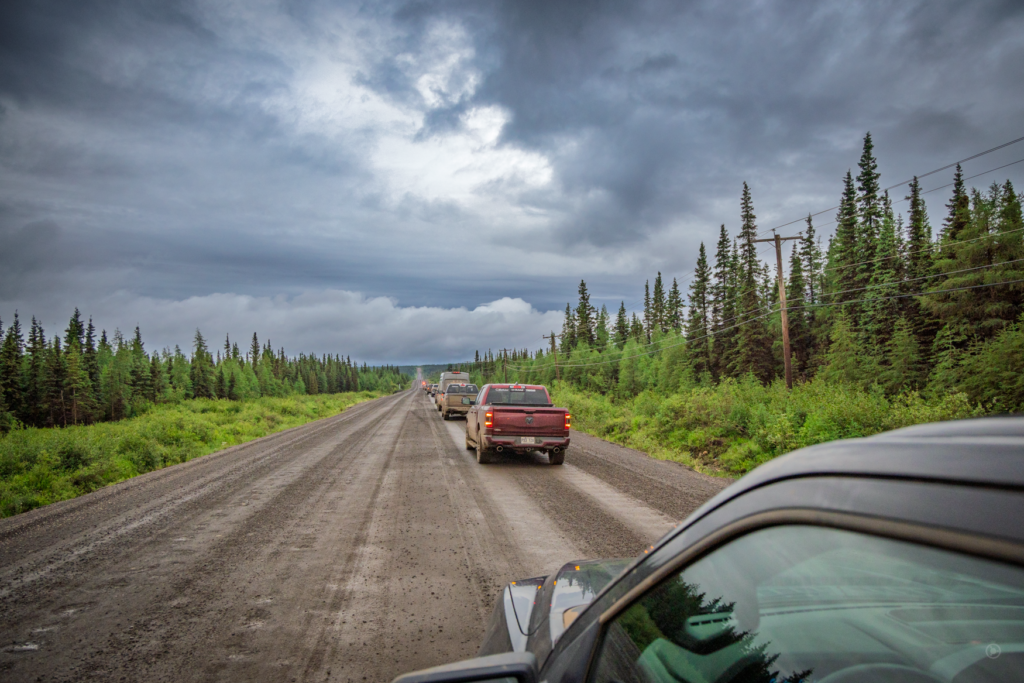
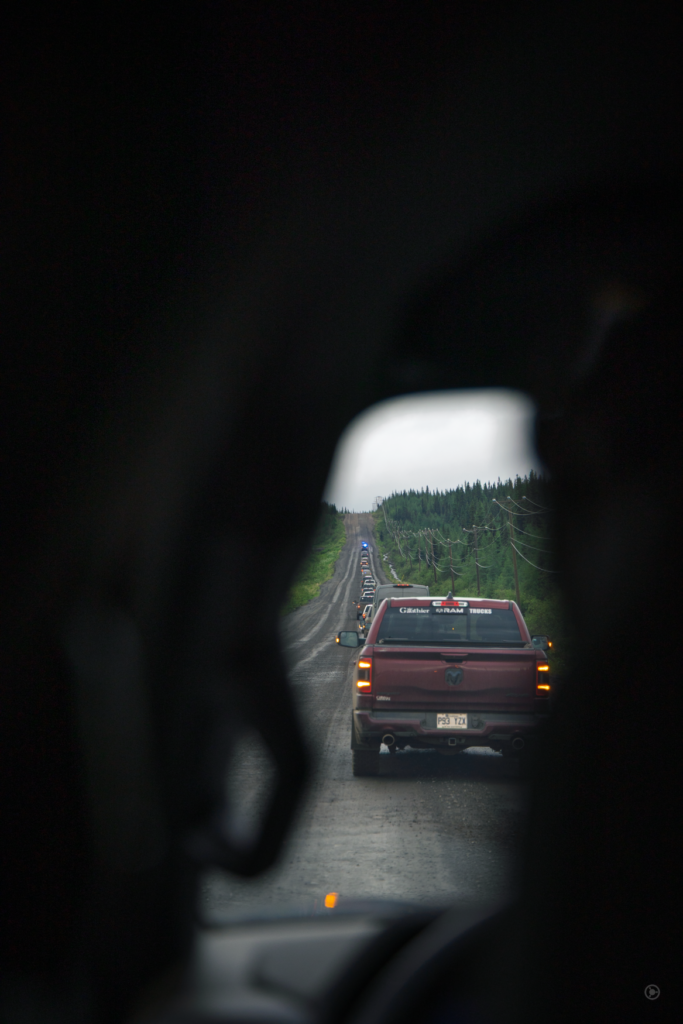
Before driving out, we did the traditional parade around the community, the cross carried at the front.


Then everyone piled into trucks. I still do not have one, so I rode with family.


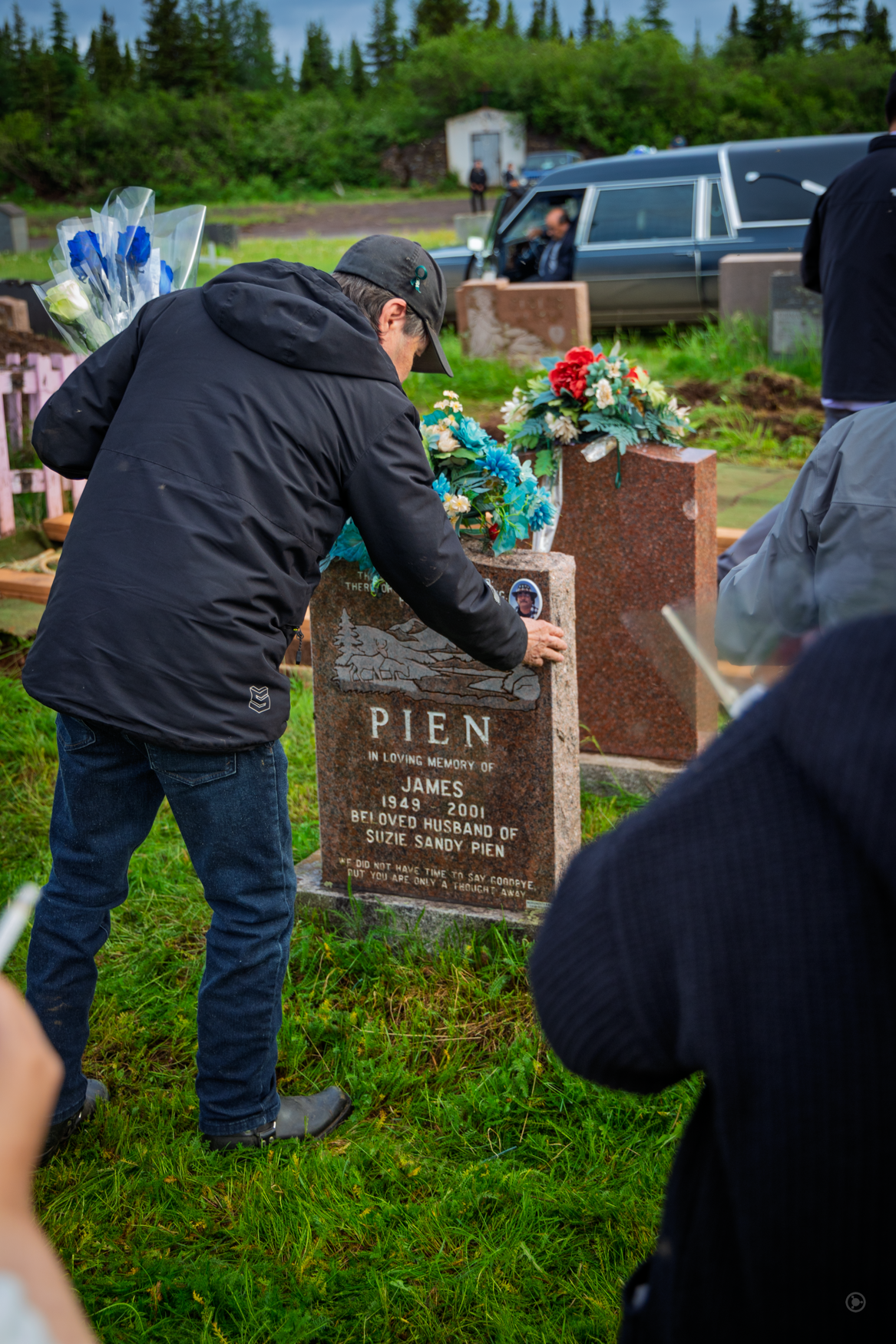
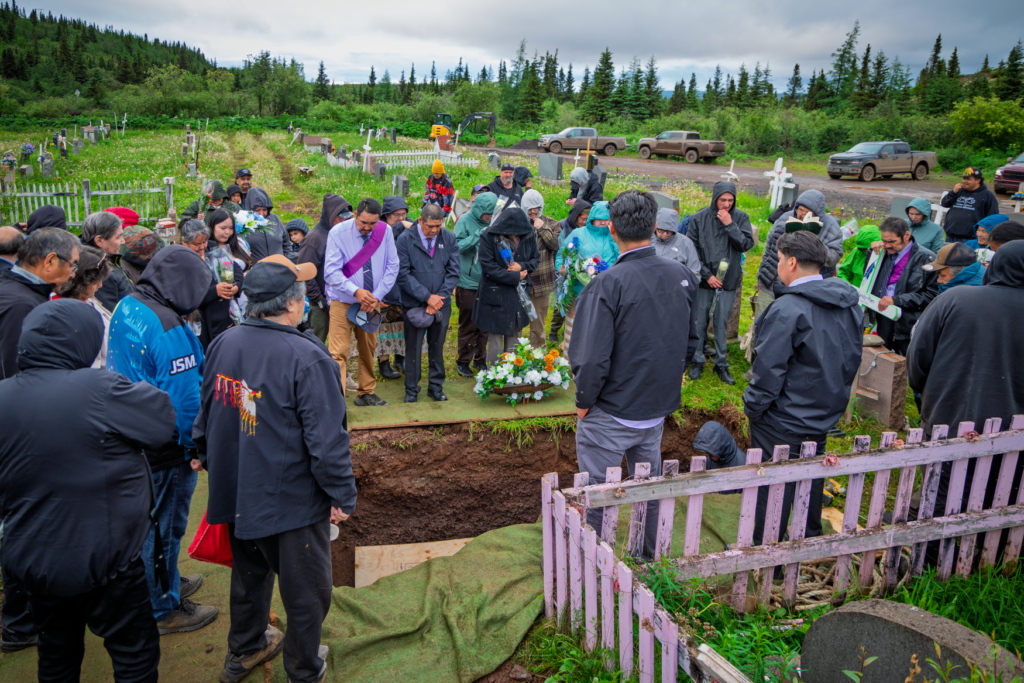
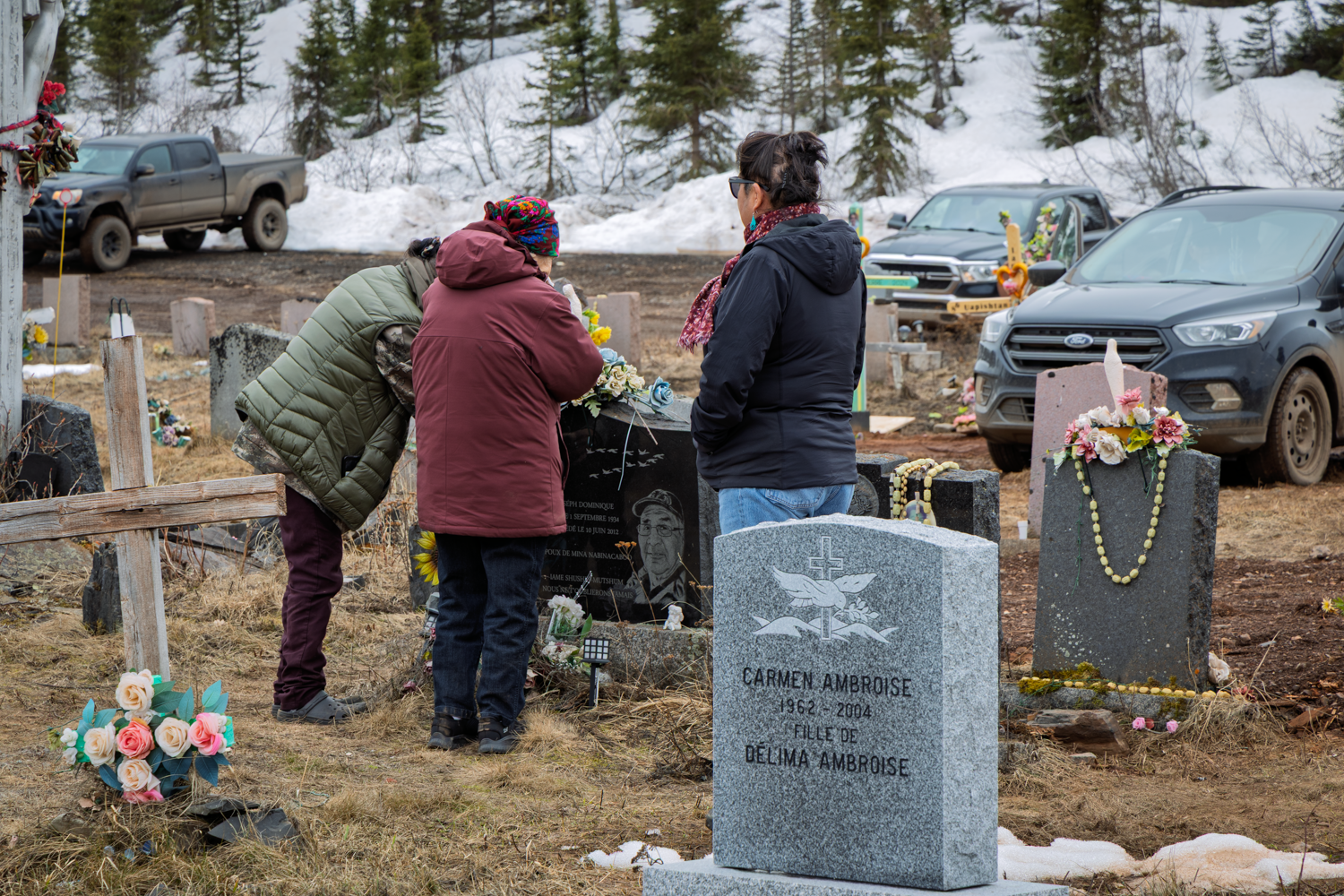
At the cemetery, people went to visit the graves already there.


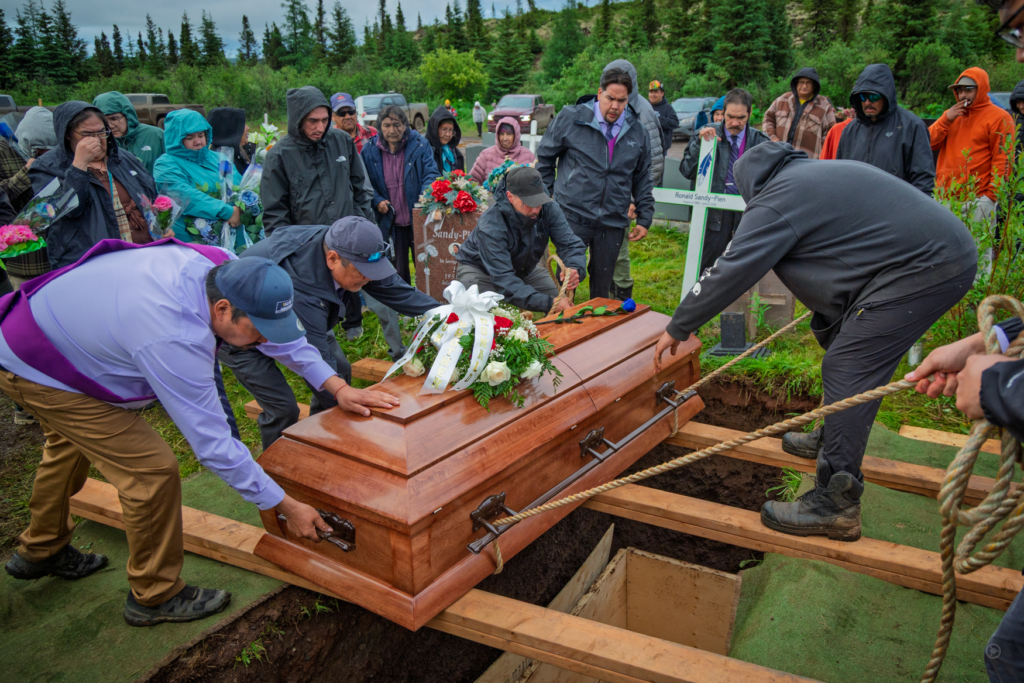
The cemetery sits in a dip in the ridge where the wind does not reach. After a morning of rain the blackflies came up out of the bushes in clouds and did not let up.


We sang one song. Then people covered the casket with flowers, handful after handful, until you could not see the wood anymore.


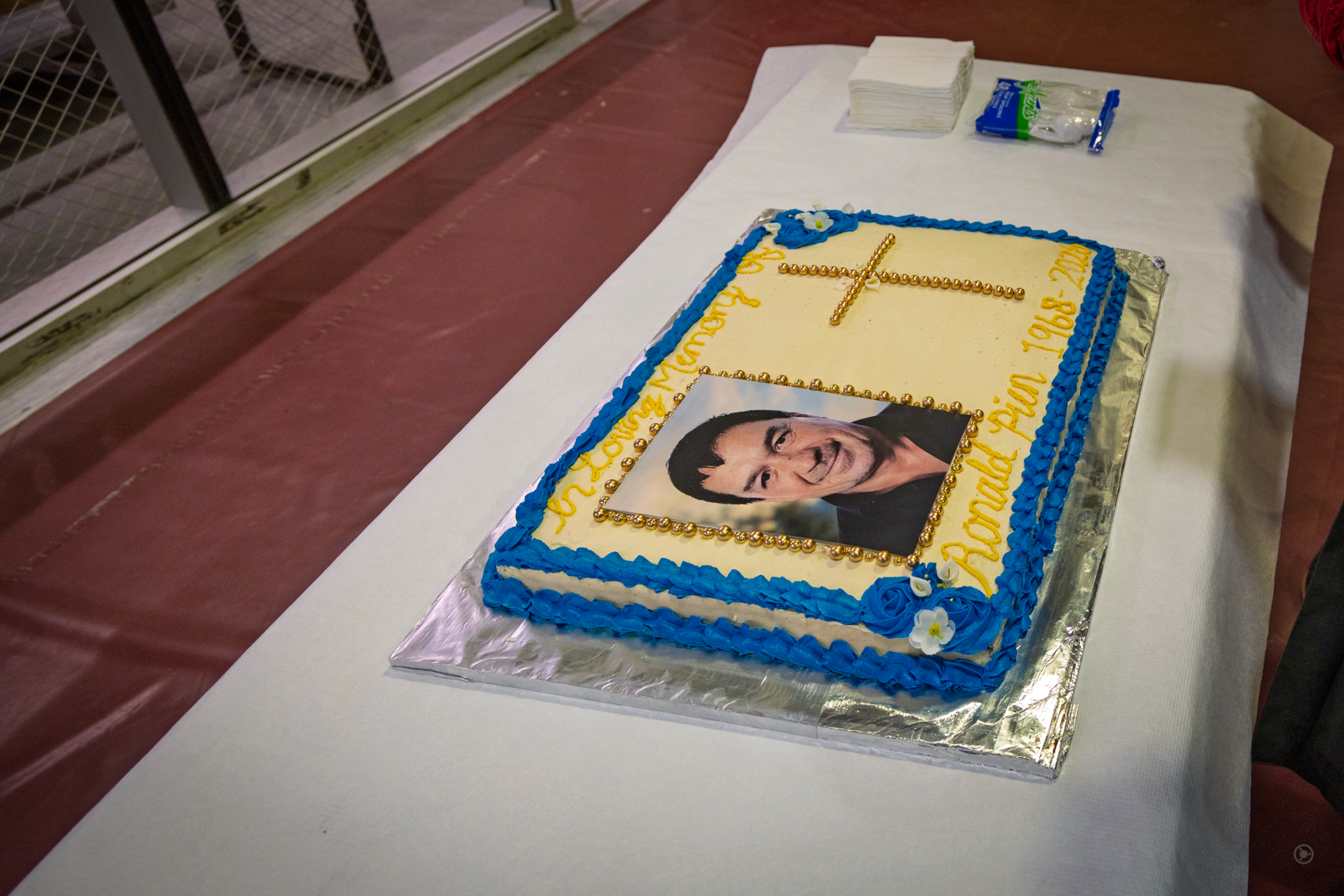
There was a feast at the Jimmy Sandy Memorial School. Platter after platter of traditional food, so much of it that they made everyone take a plate home. His face was on the cake.

In loving memory of Ronald Pien, 1968 to 2026.

The Bears in the Mine

I recently finished editing a video I filmed back in 2022 near Burnt Creek, outside Schefferville, Québec.

It’s a quiet piece. Two bears move through the landscape, notice the drone, and continue on. Nothing dramatic happens, and that’s the point. It’s the kind of footage I return to when I want to slow things down and just watch for a moment.

You can watch the full video here:

Like a lot of personal work, this footage sat unfinished for a long time while other projects took priority. Lately, I’ve been making a point to revisit that backlog and close creative loops; not to optimize or chase attention, but to give these pieces the time they deserve.

For those who are curious about the context behind this video and how I’m changing the way I share my work more broadly, I recorded a short explainer video on Patreon. That’s where I talk a bit more about the thinking behind this approach.

You can find that here:

https://www.patreon.com/c/benjancewicz

A Vigil for Bilal Abdullah

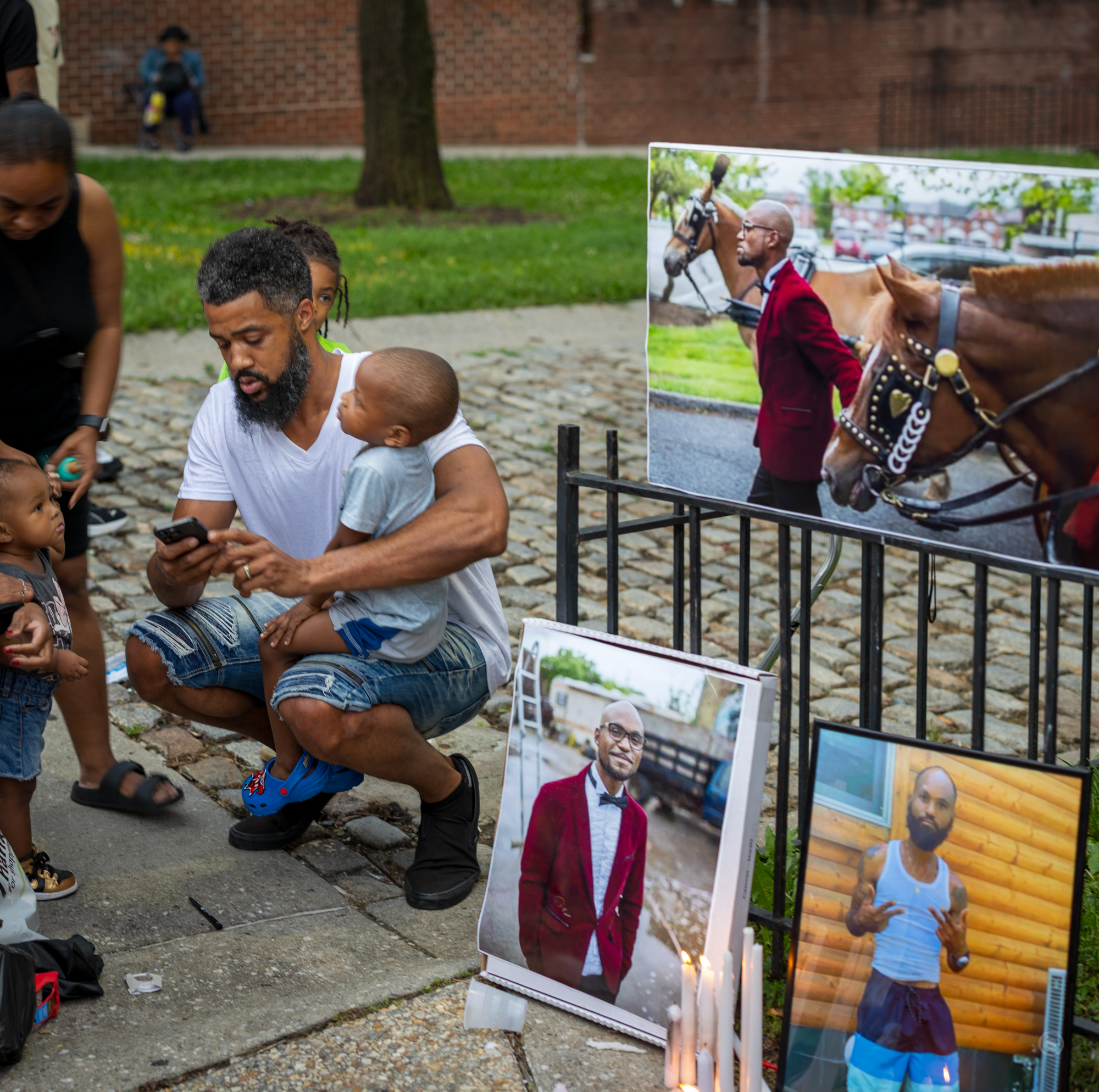
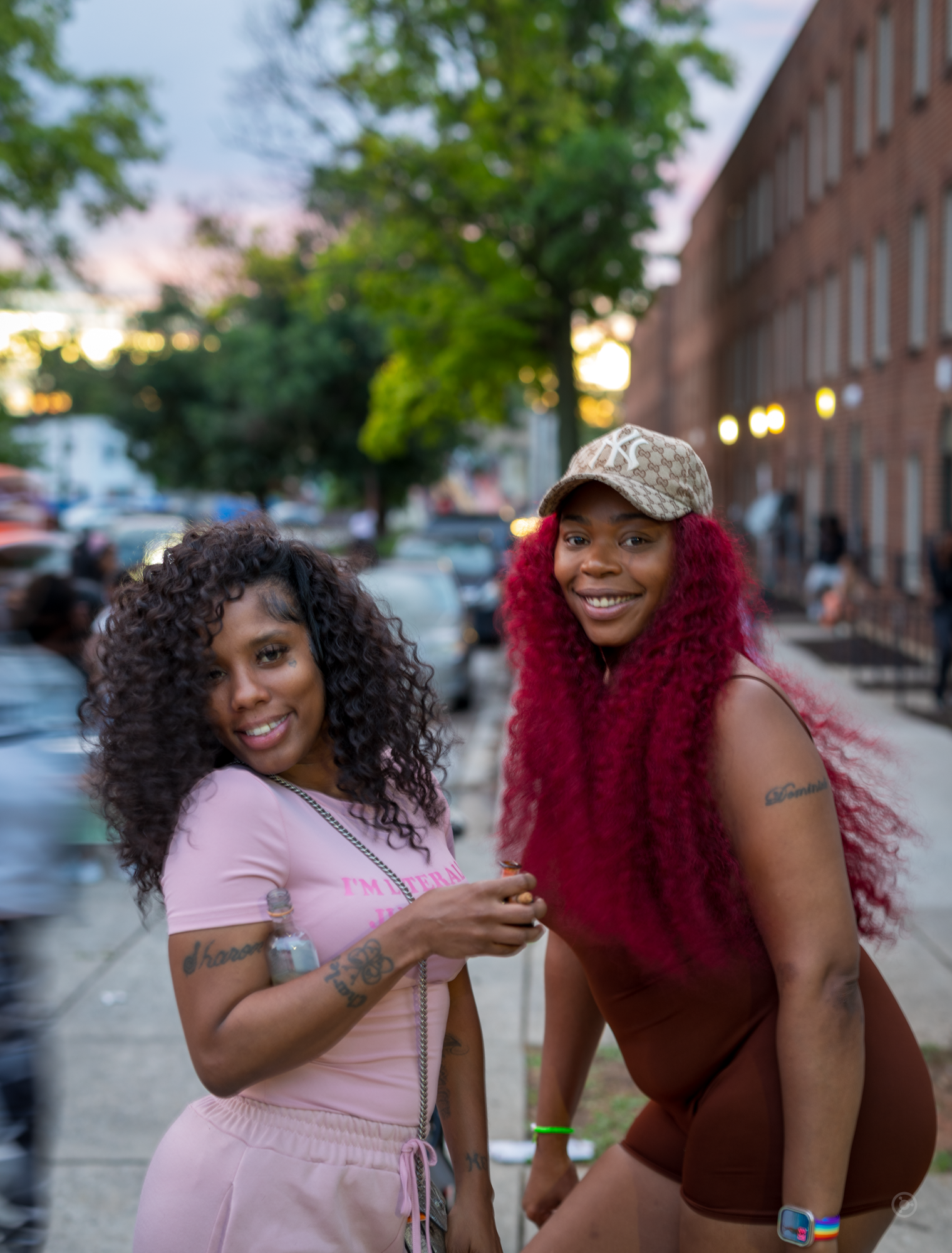
On Thursday, Juneteenth, the family of arraber Bilal Abdullah held a vigil in West Baltimore.

Bilal, also known as BJ for “Bilal Junior”, was killed by the Baltimore Police on Tuesday. The Baltimore Beat has been extensively covering the story.

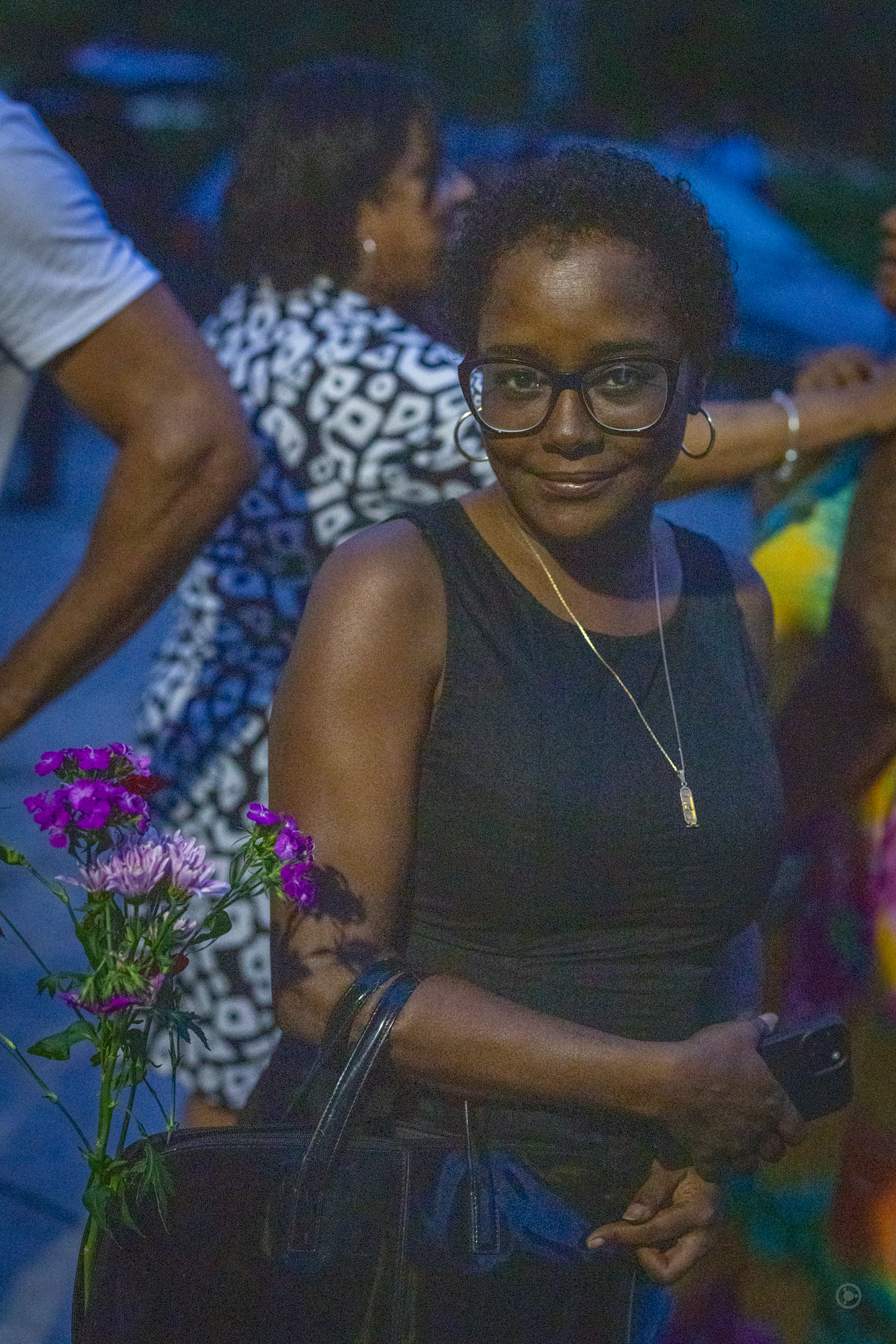
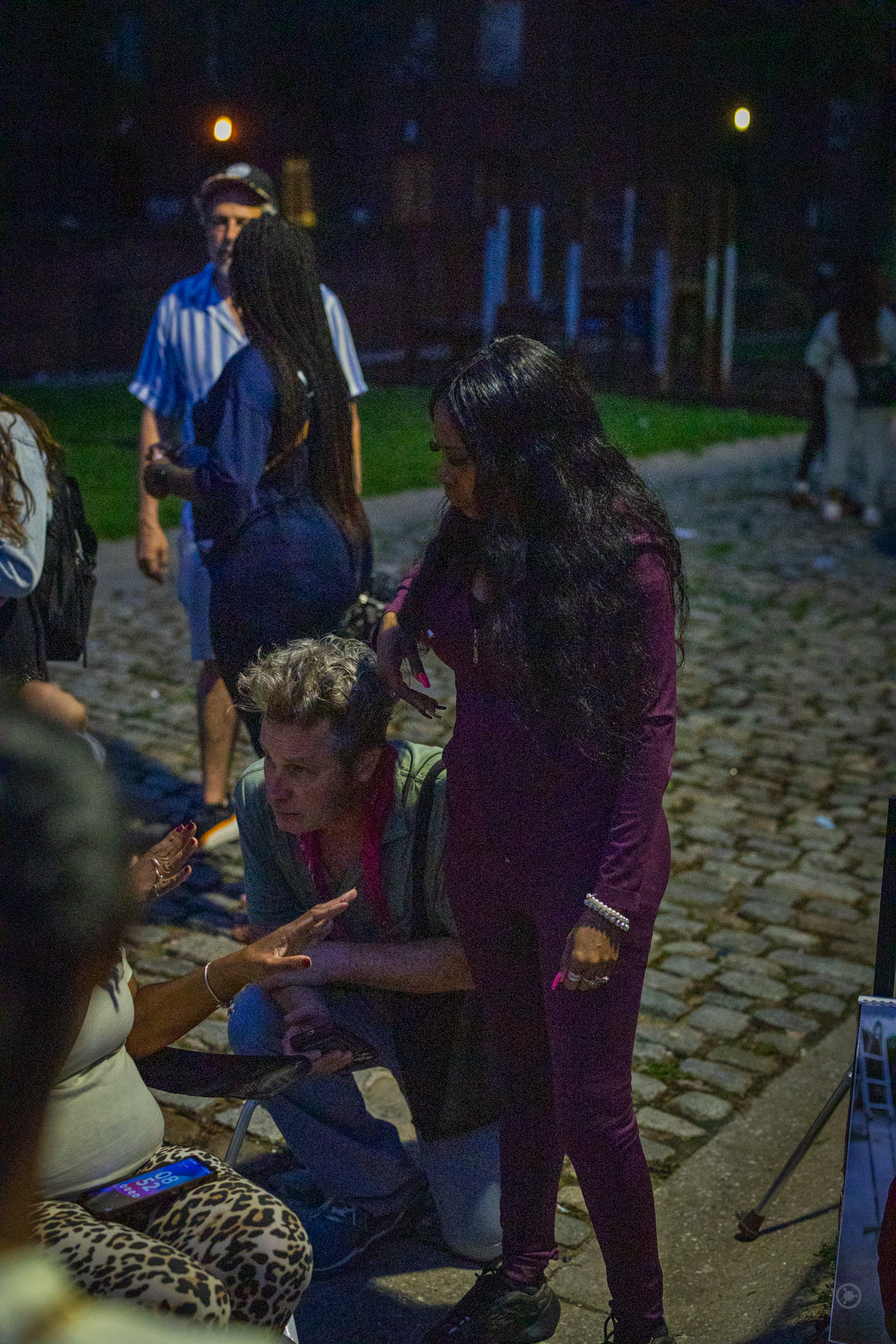
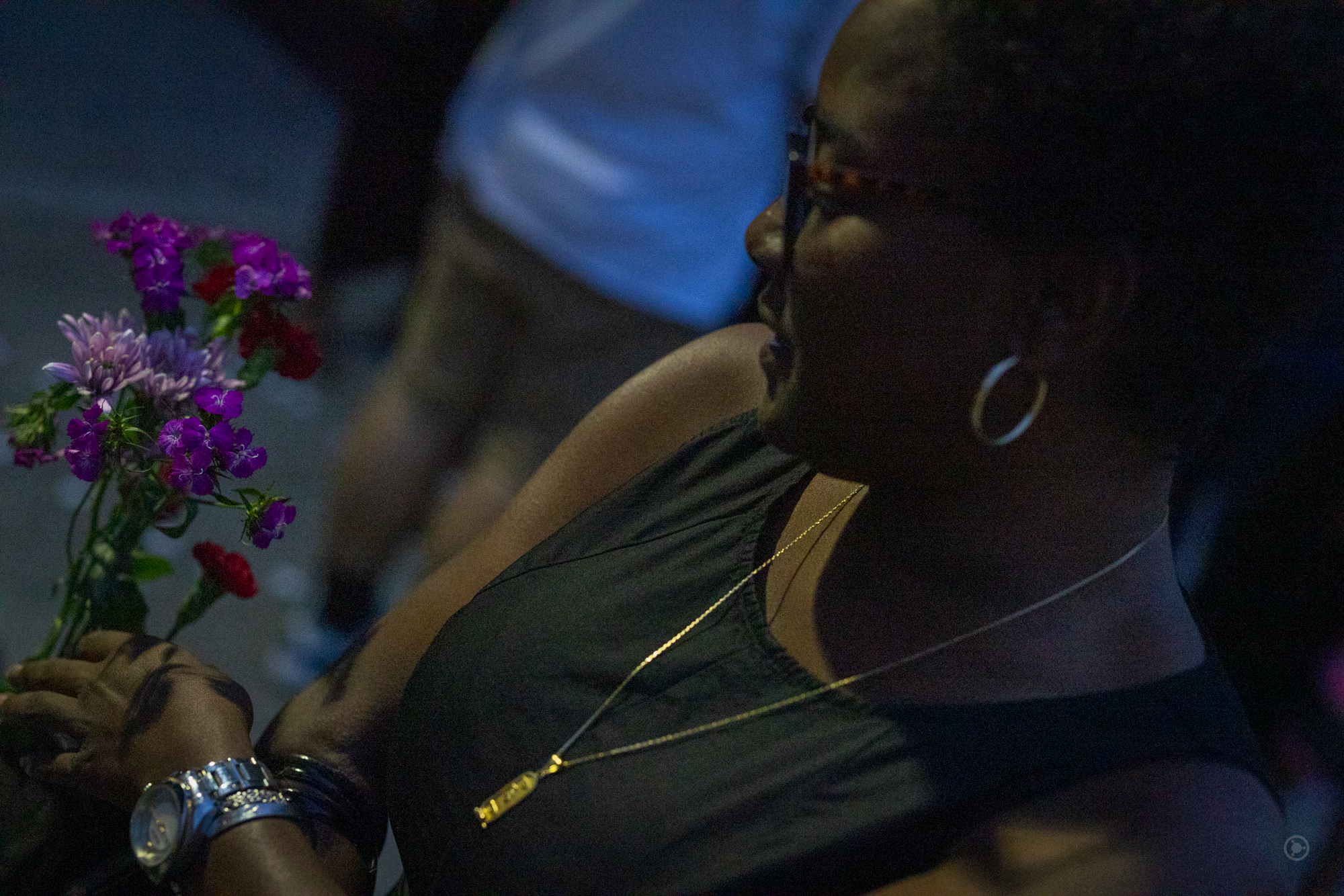
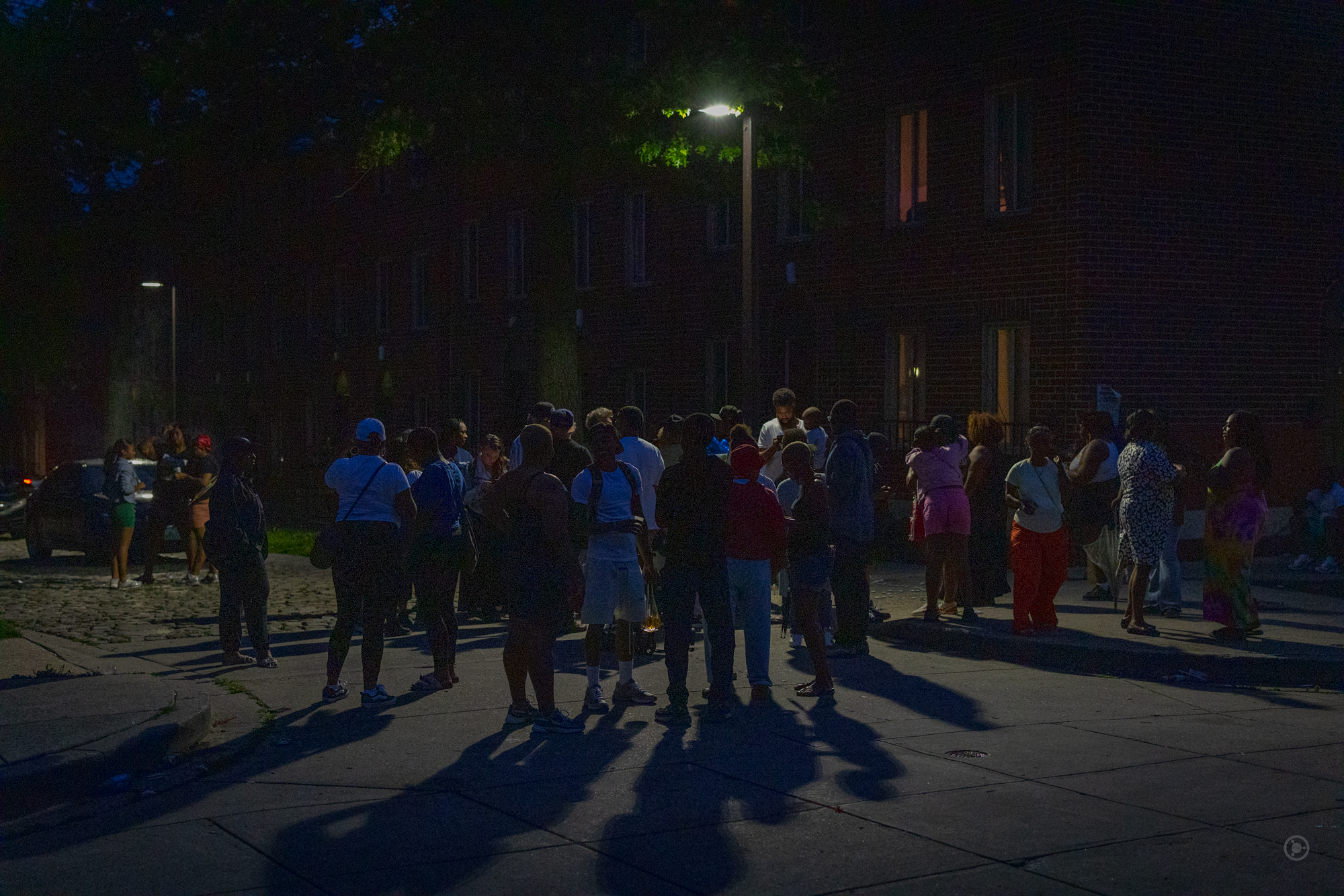
I went out and took pictures.

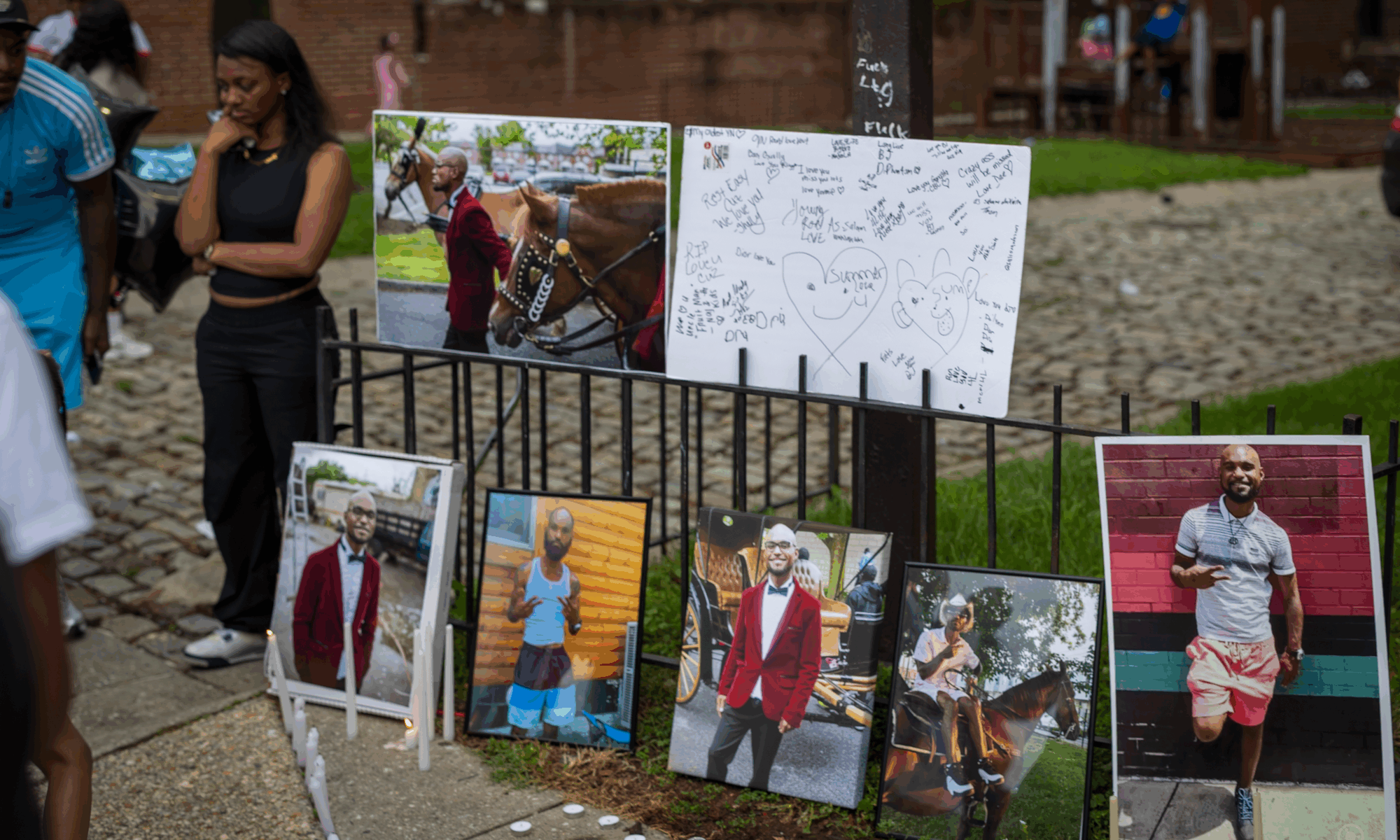
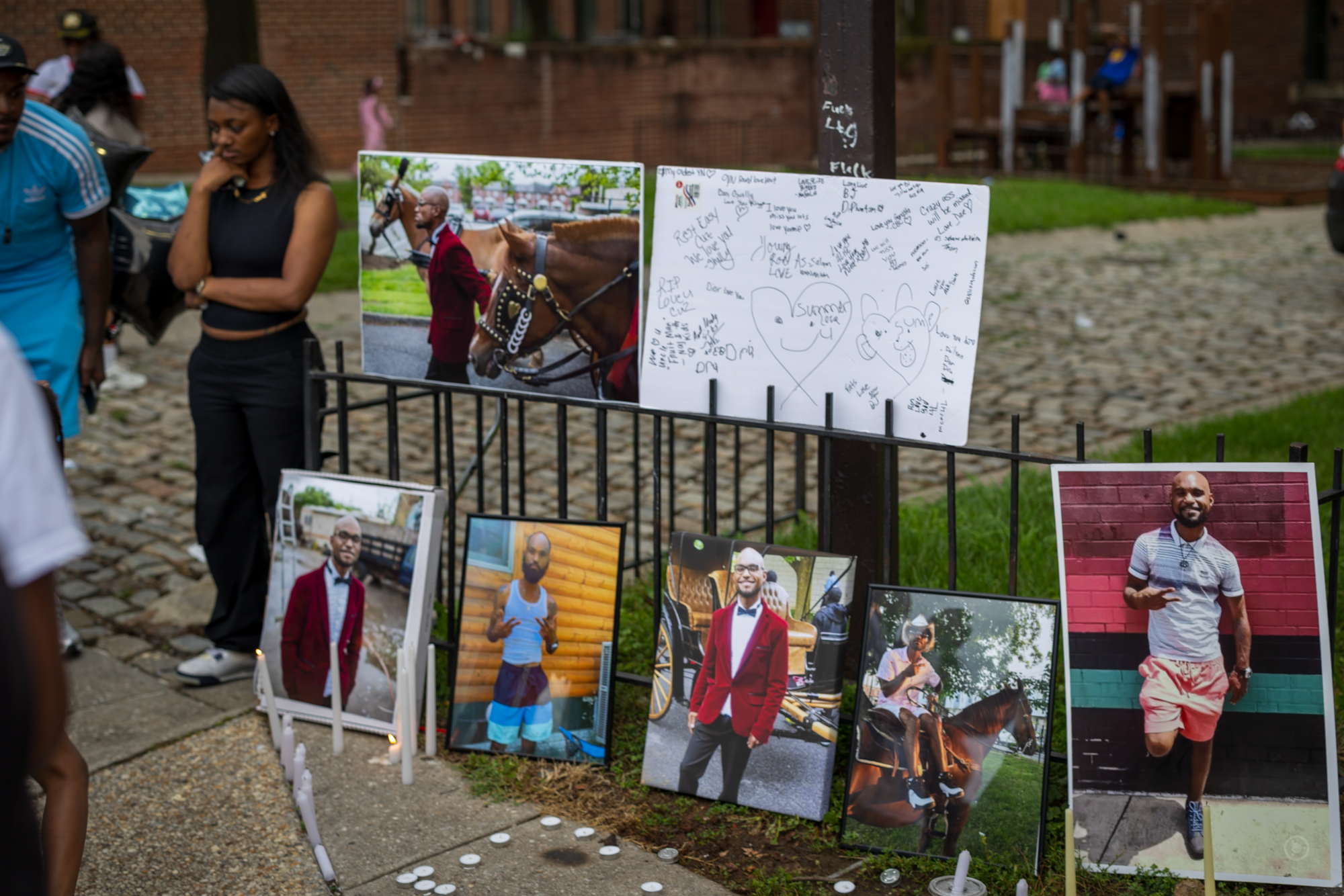
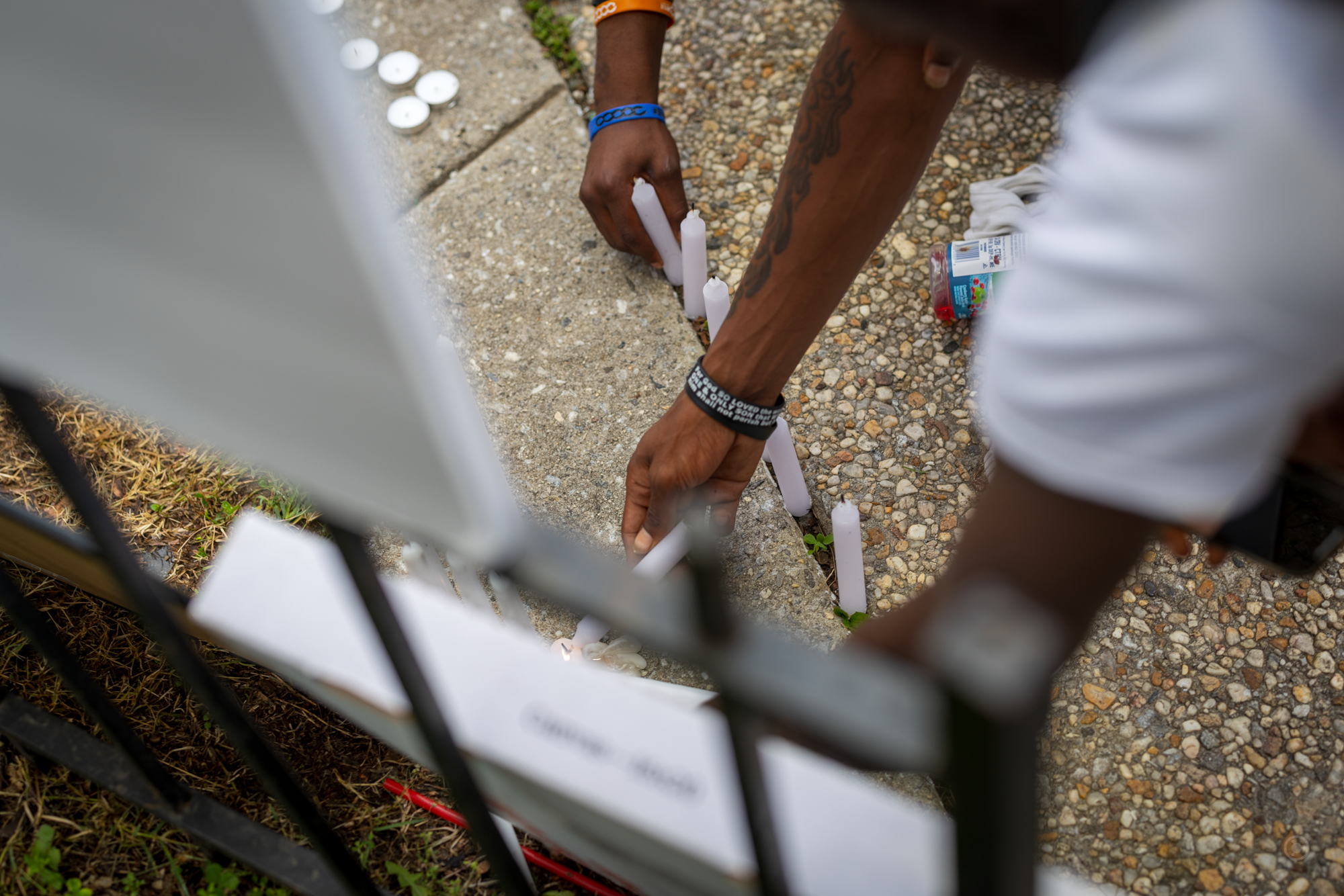
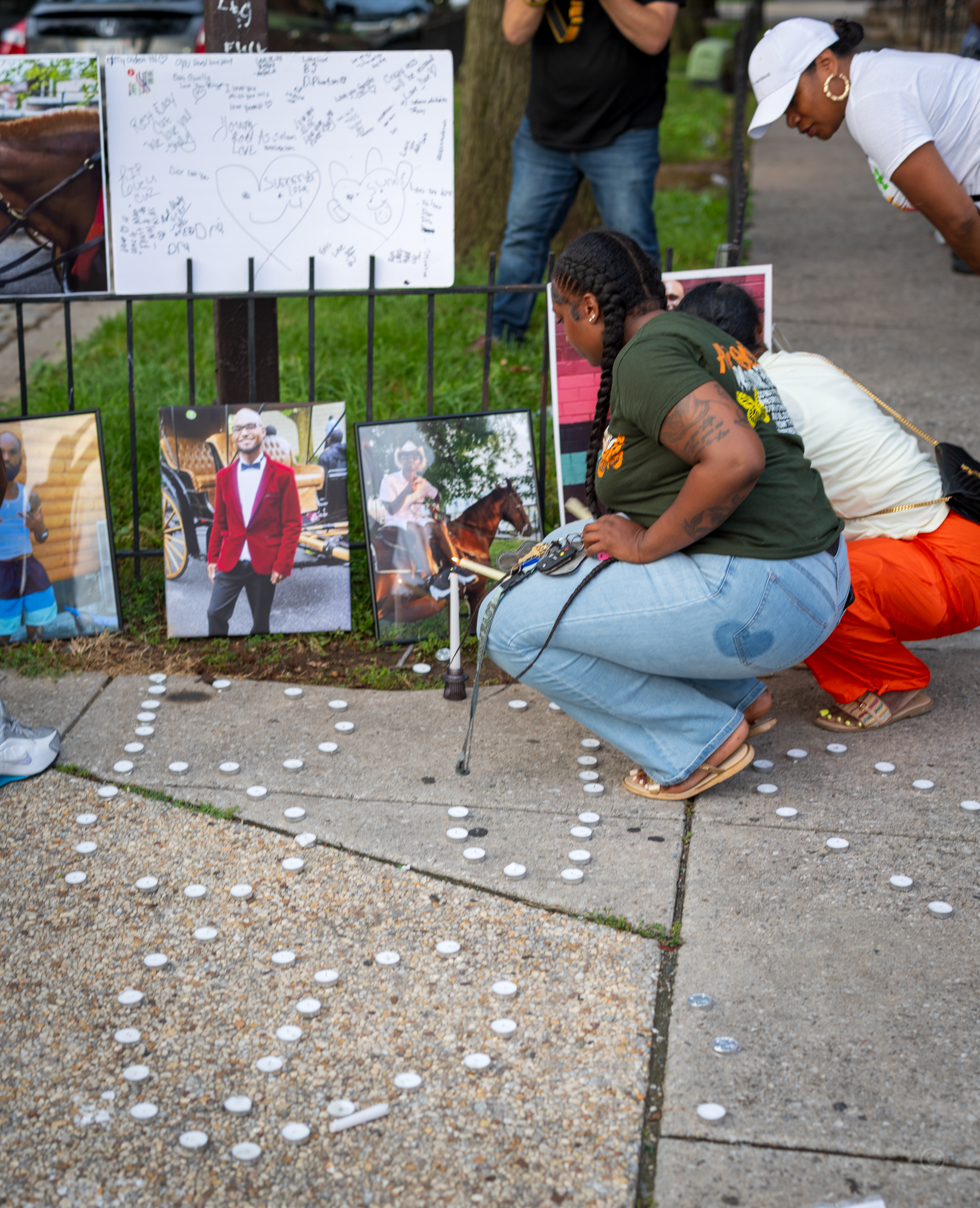
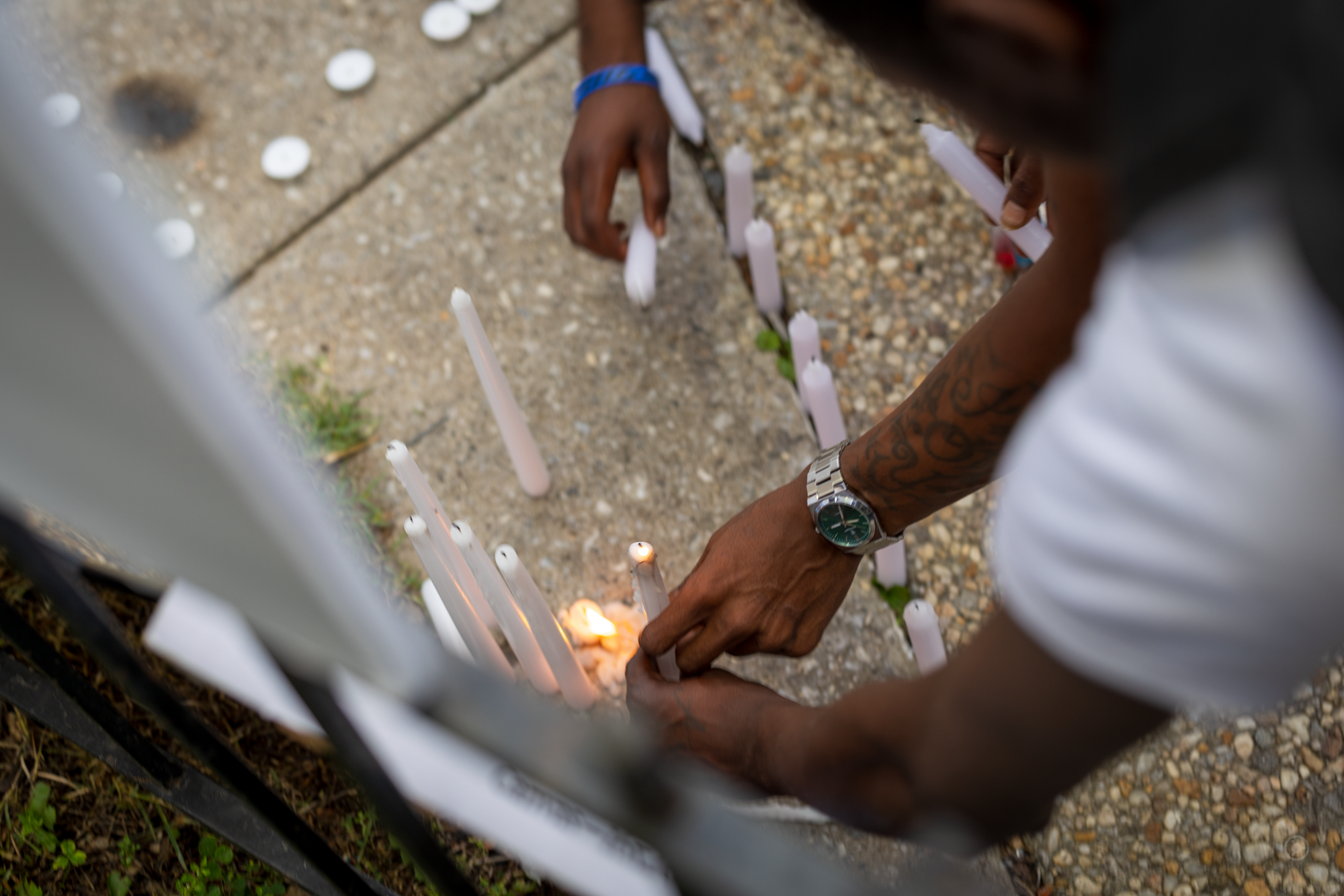
A memorial was set up with photos of Bilal and lots of candles. Hundreds came and signed posterboards in memorial.

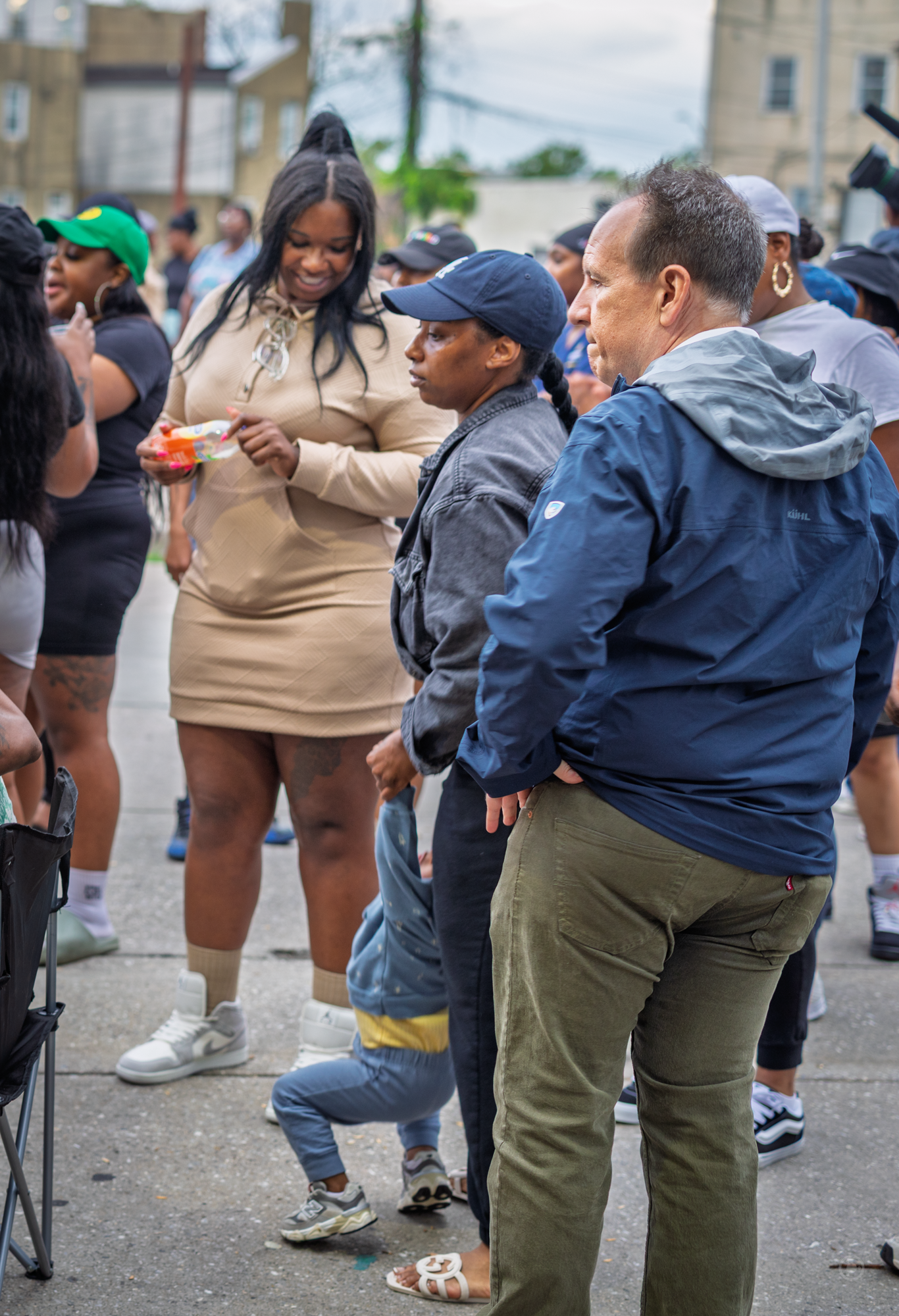
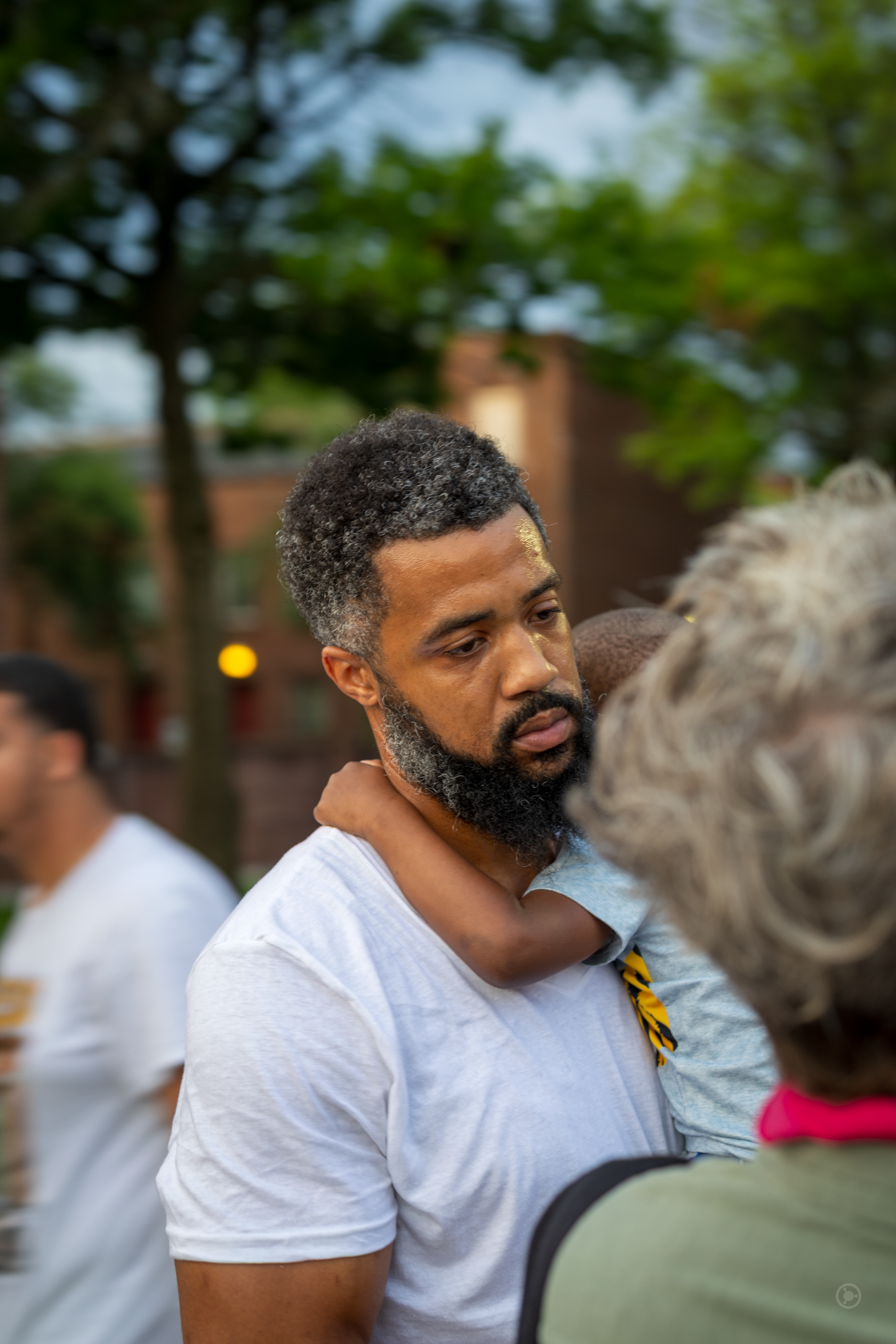
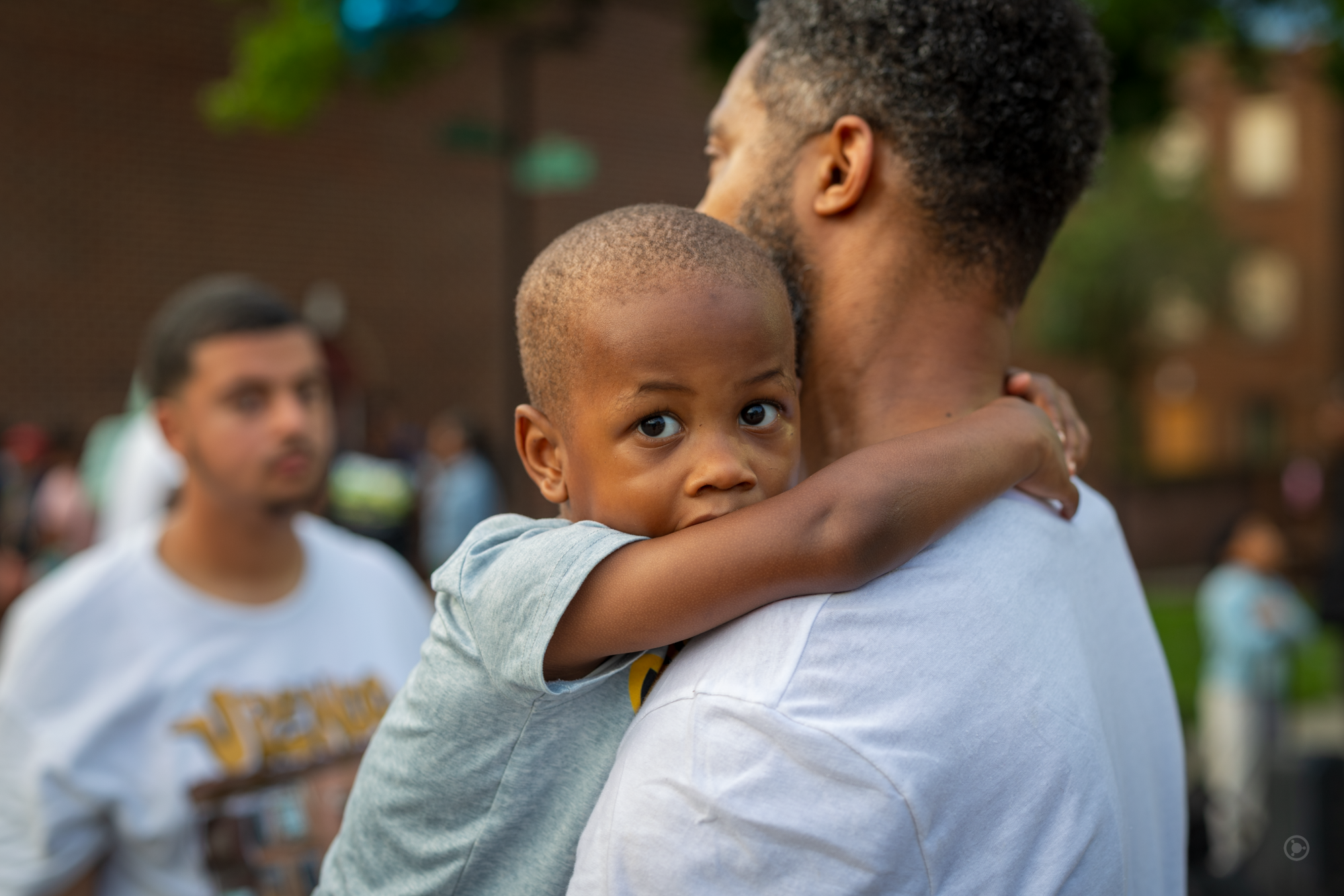
Many who were his friends and family came to celebrate him. The mixture of attempts to bring joy in remembering his life and the deep pain of losing him was thick in the air.
Bilal had been well known as an arabber in Baltimore, and had been credited as one of the people who were bringing a resurgence of the practice back to Baltimore. Many of the current arabbers are much older.

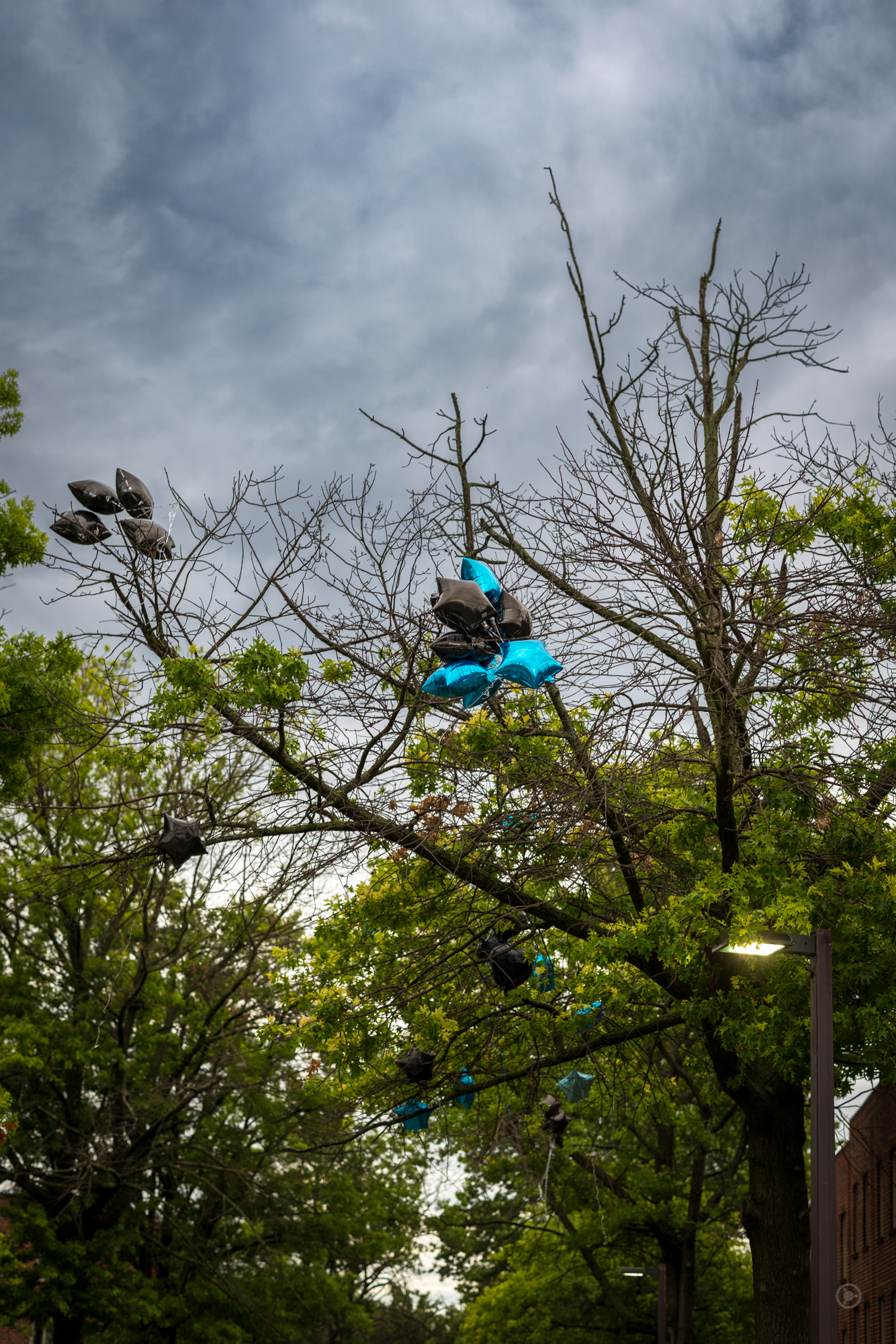
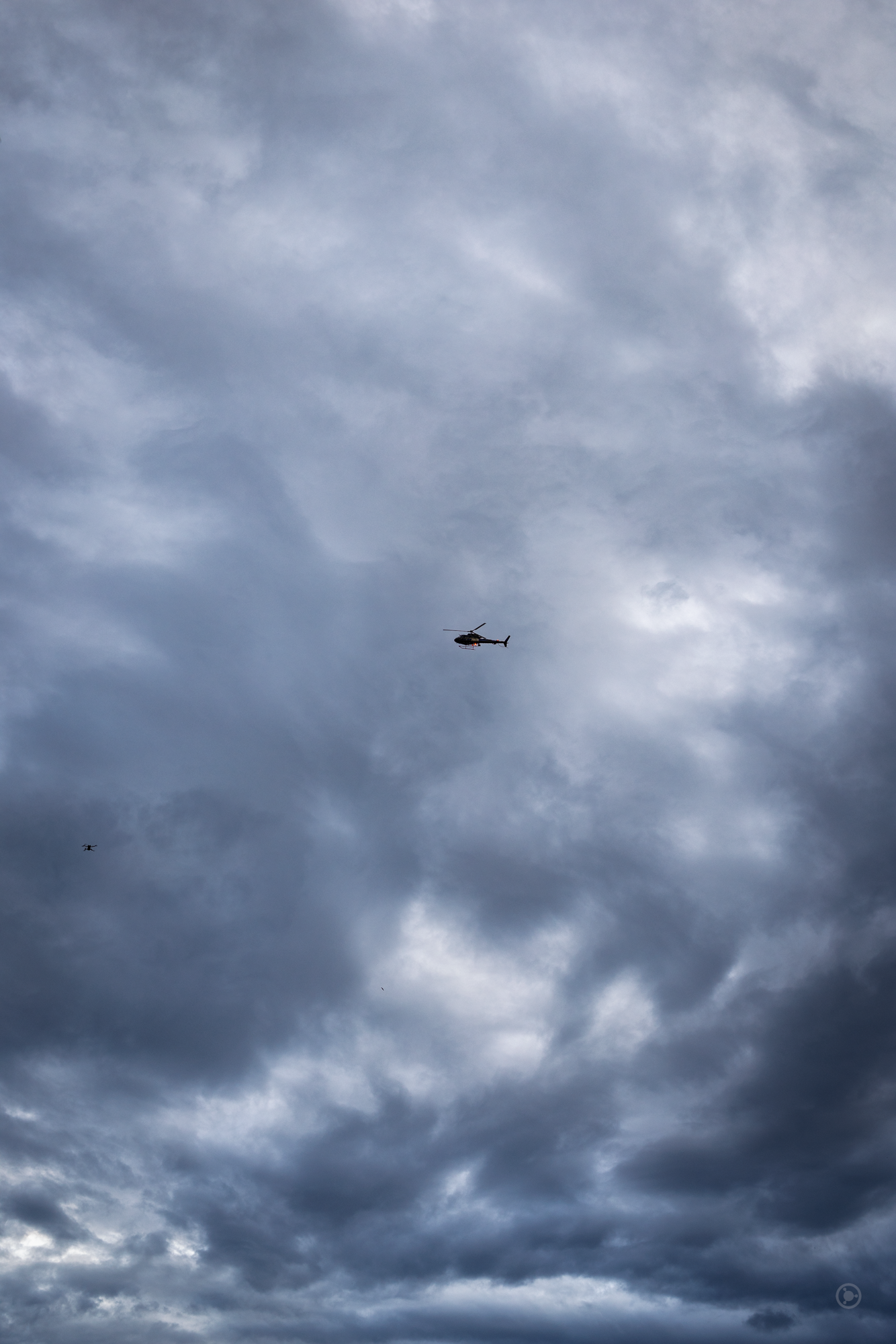
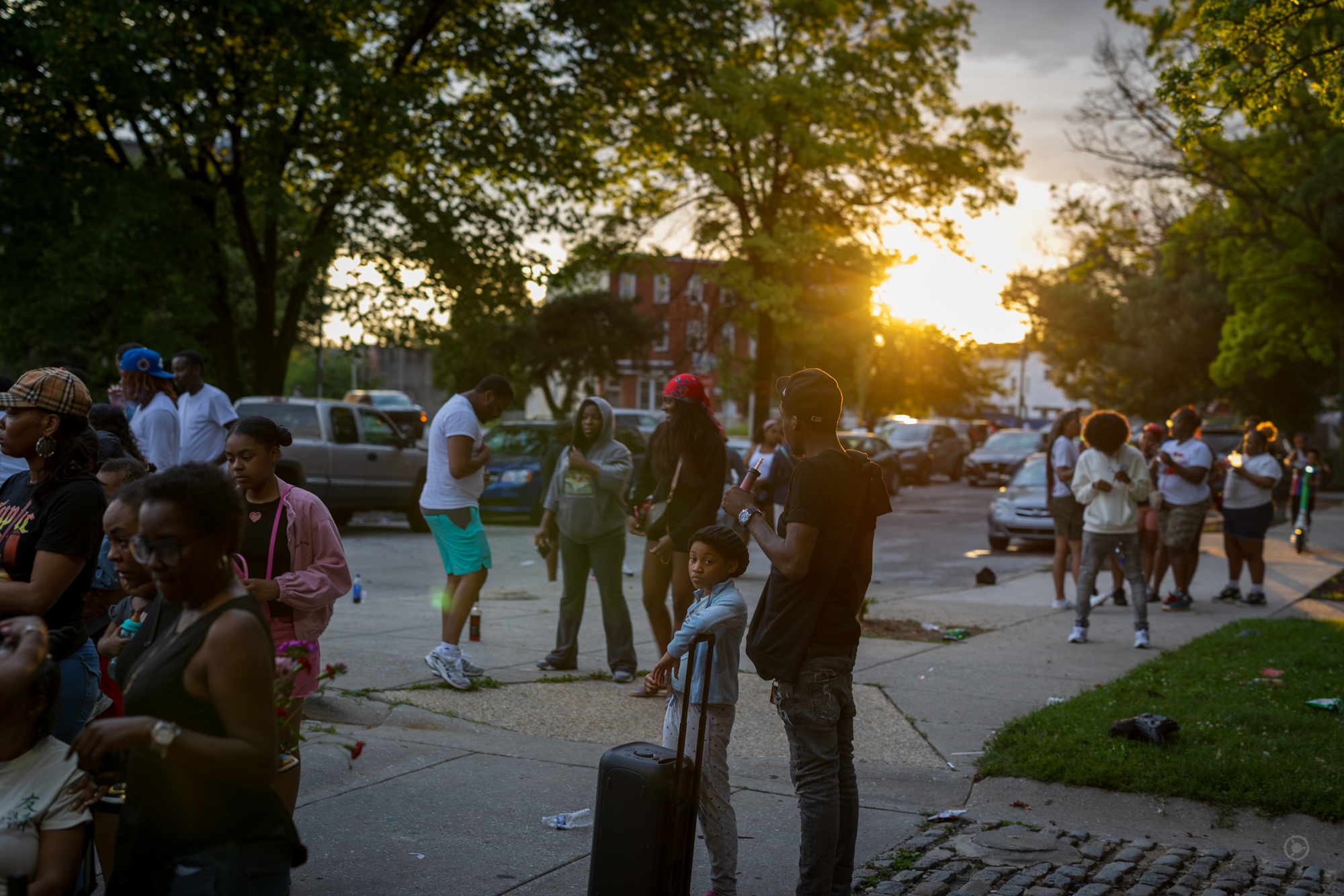
A heavy storm had delayed the vigil by several hours, which meant that a lot of the heavy police presence from earlier in the day dissipated. The police helicopter continued to circle the people lighting candles for hours though.

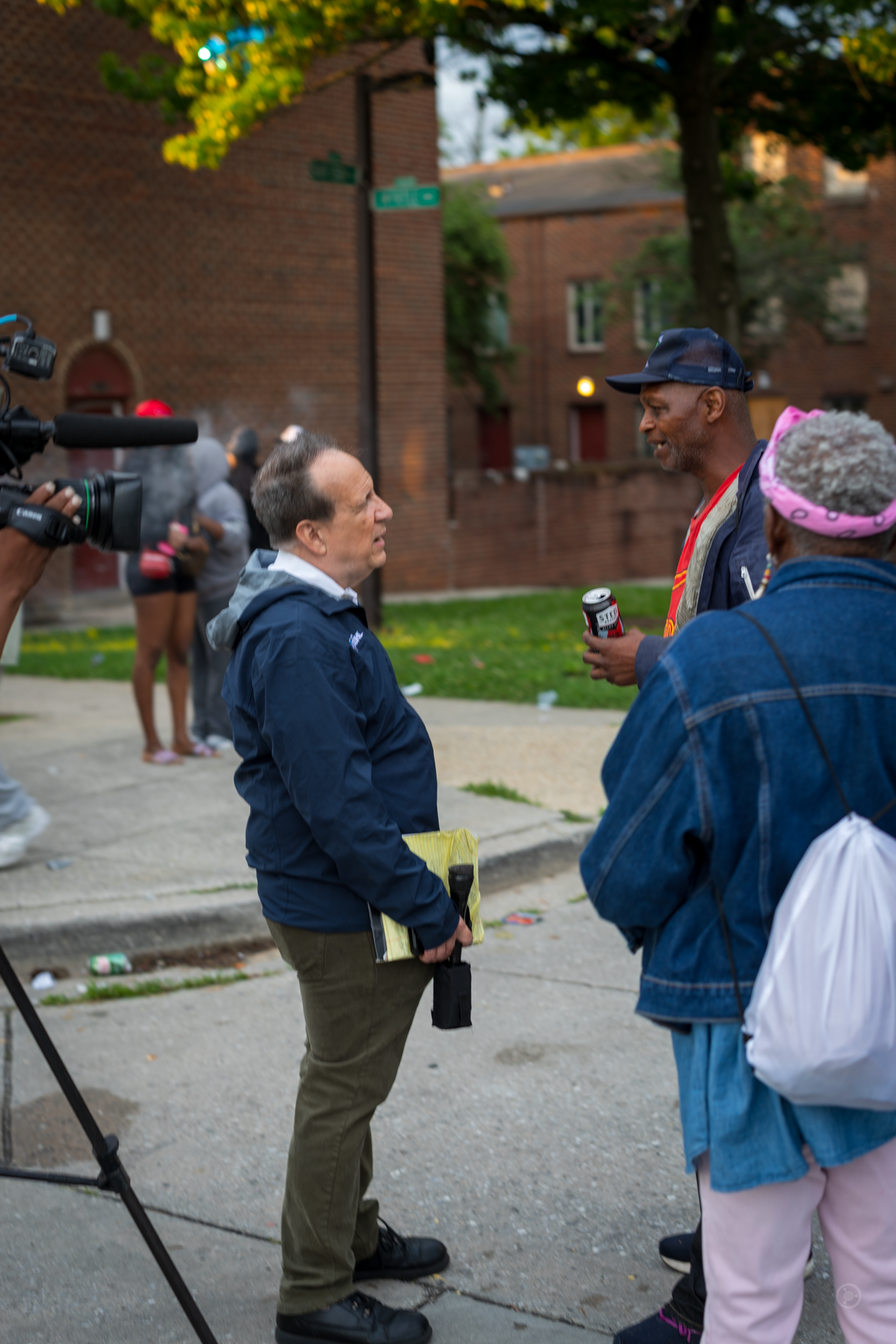
Jeff Abell from Fox News kept trying to get close to Bilal’s mother, who made it very clear she did not want to be photographed, videoed, or interviewed. She had been injured by the police trying to get to her son when he had been shot, and sat in a chair near the memorial. People kept telling Jeff that he was not welcome, and blocked his camera. He finally gave up and left.

Though the breeze was heavy and kept blowing the candles out, a steady rotation of people came back and kept relighting them each and every time.

As it was setting, the sun broke through the storm clouds, casting a golden glow over the entire scene. “That’s Bilal,” his mother said, “He’s come to thank us for being here.”

Aaron Maybin, a community activist and board member of the Civilian Review Board, came with his kids to console Bilal’s mother and provide updates to Baynard Woods, the Baltimore Beat’s journalist. “They keep pushing back the release of the body camera footage,” he said.

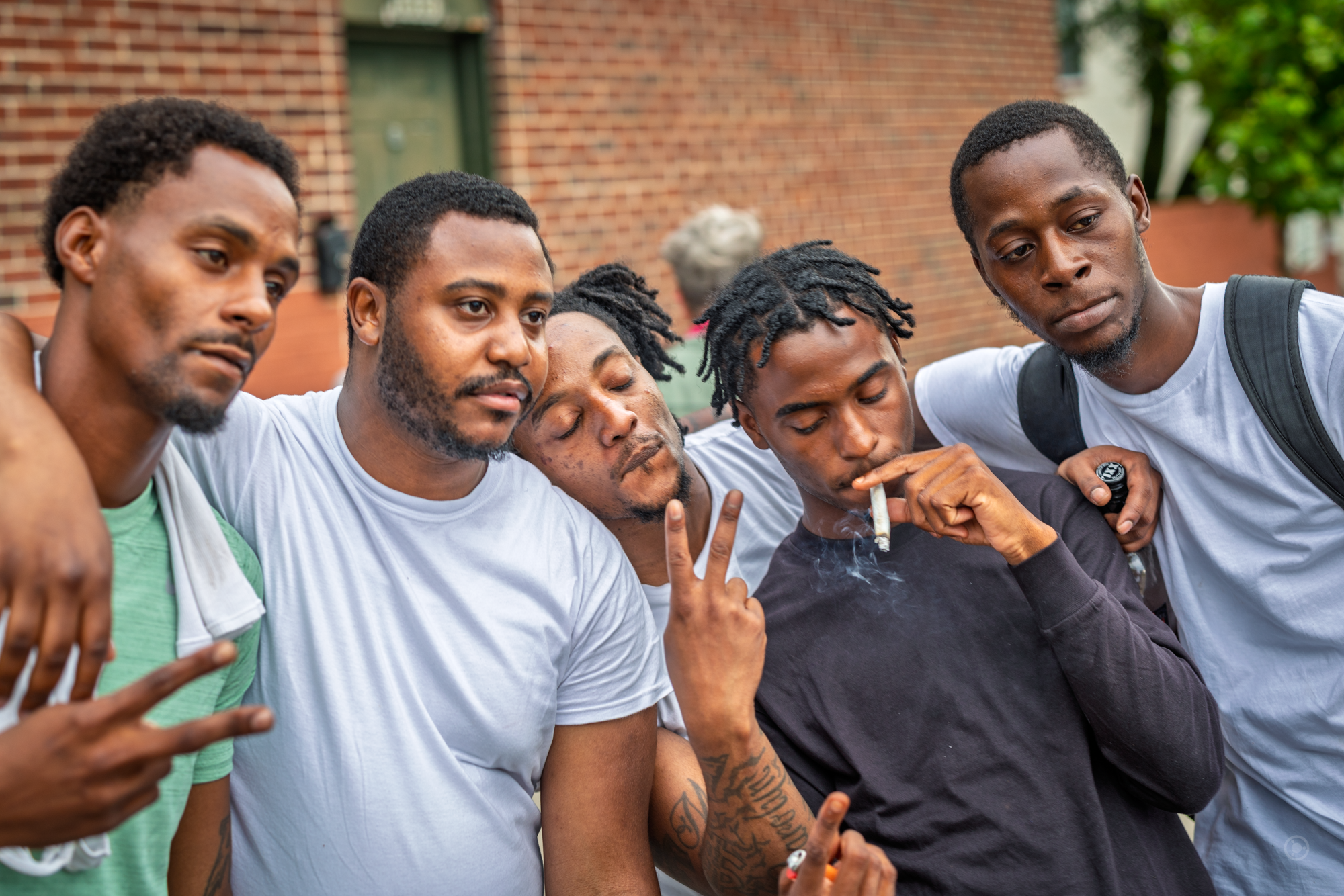
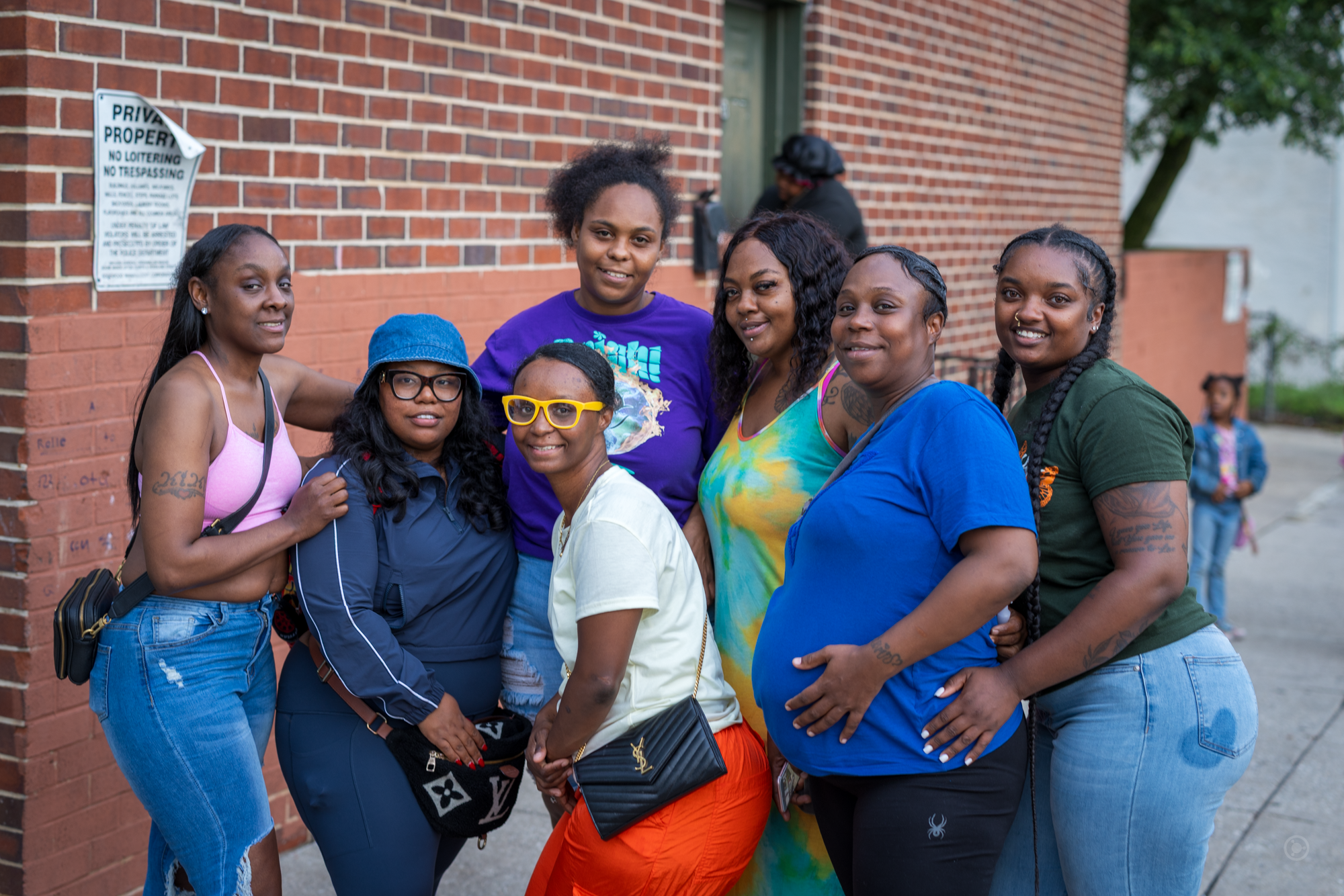
Realizing I was there for them, Bilals family began asking me to take photos of them gathered. “It’s sad that this is what brought us all together” one of them said.

Catalina Byrd, Tawanda Jones, and Baynard Woods stayed near Bilal’s mother, letting her talk through her pain. “I hate this,” said Tawanda, “I hate that she’s now part of this club,” referring to the group of people in Baltimore who have had loved ones killed by the Baltimore Police. Tawanda’s brother, Tyrone West, was beaten to death by the police in 2013. Every Wednesday since then, Tawanda has led a protest in his honour.

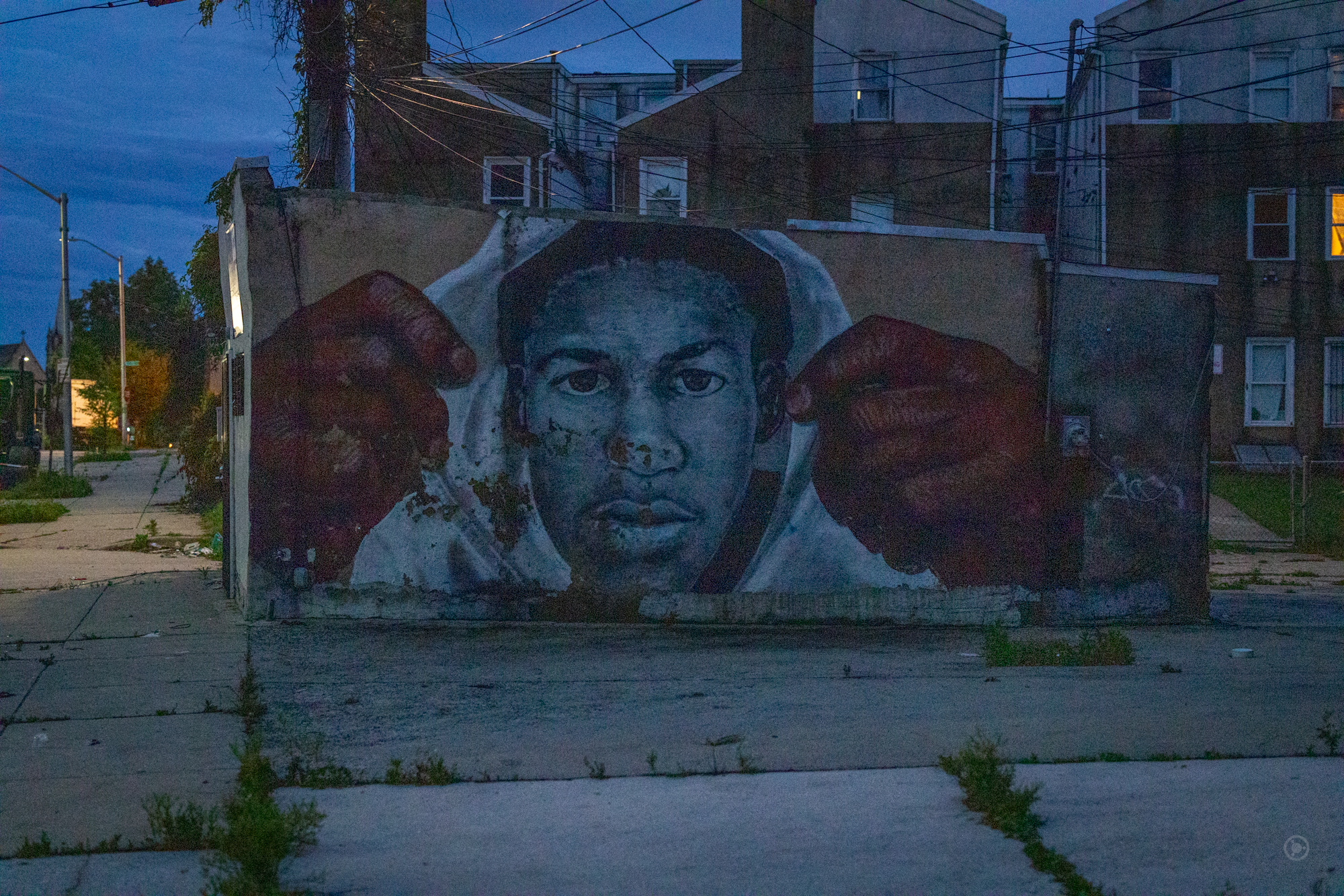
For many people attending the vigil, there were echoes everywhere. “This feels like Freddie Gray,” one young man said, lighting a candle. Freddie Gray was killed by the Baltimore Police in 2015. Directly across from the vigil, a mural of Trayvon Martin had been painted on the side of a garage. “There’s just so much pain here.”

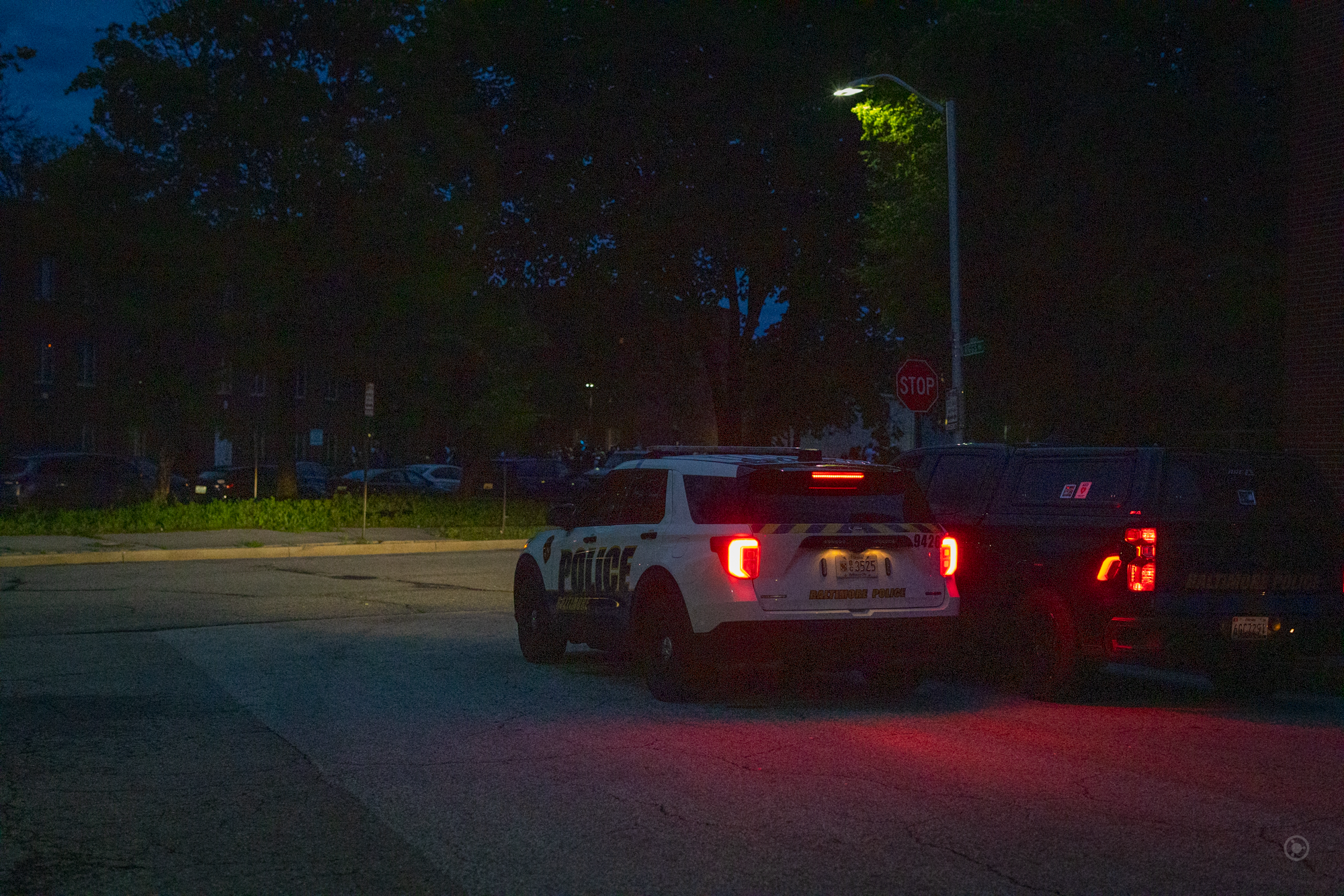
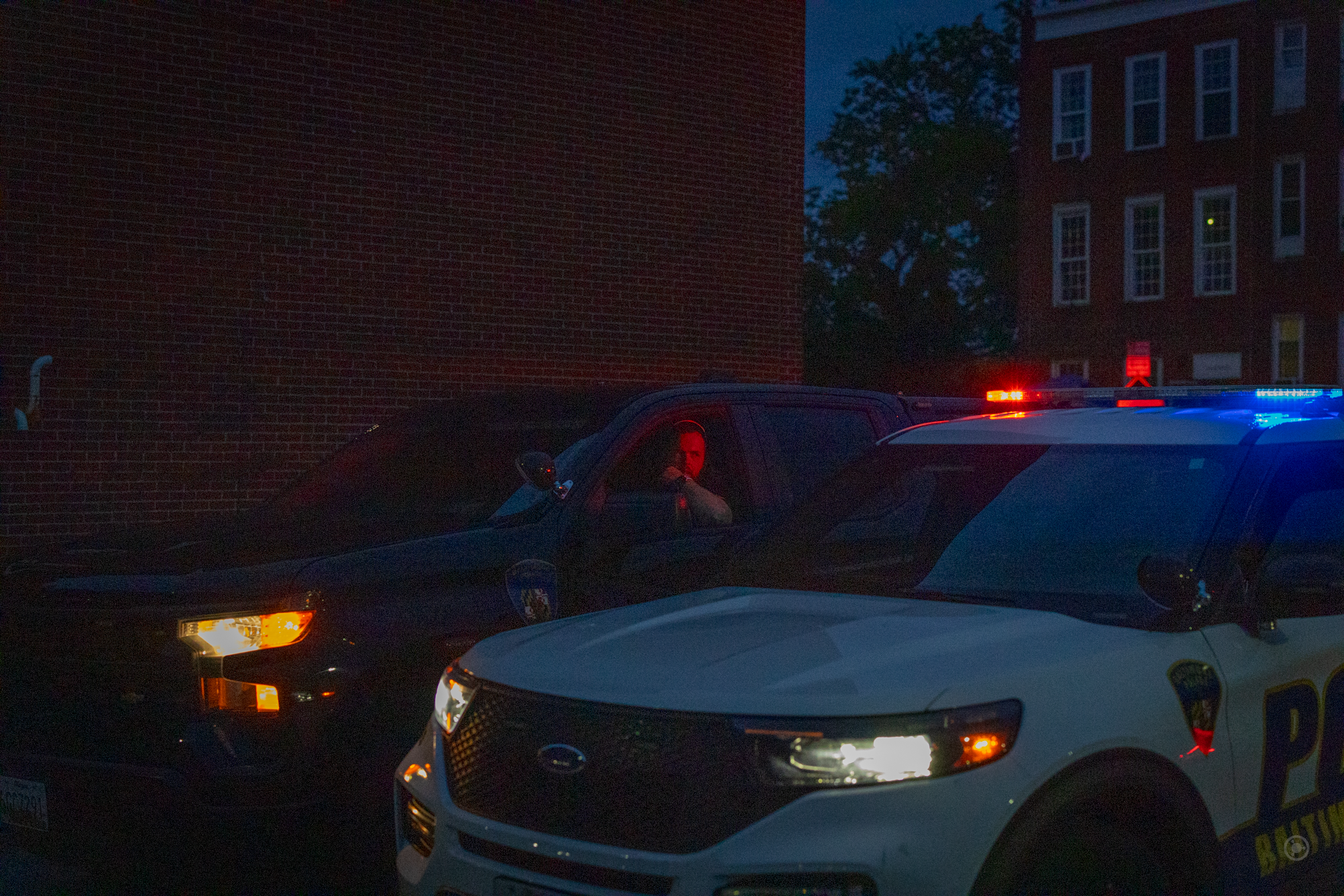
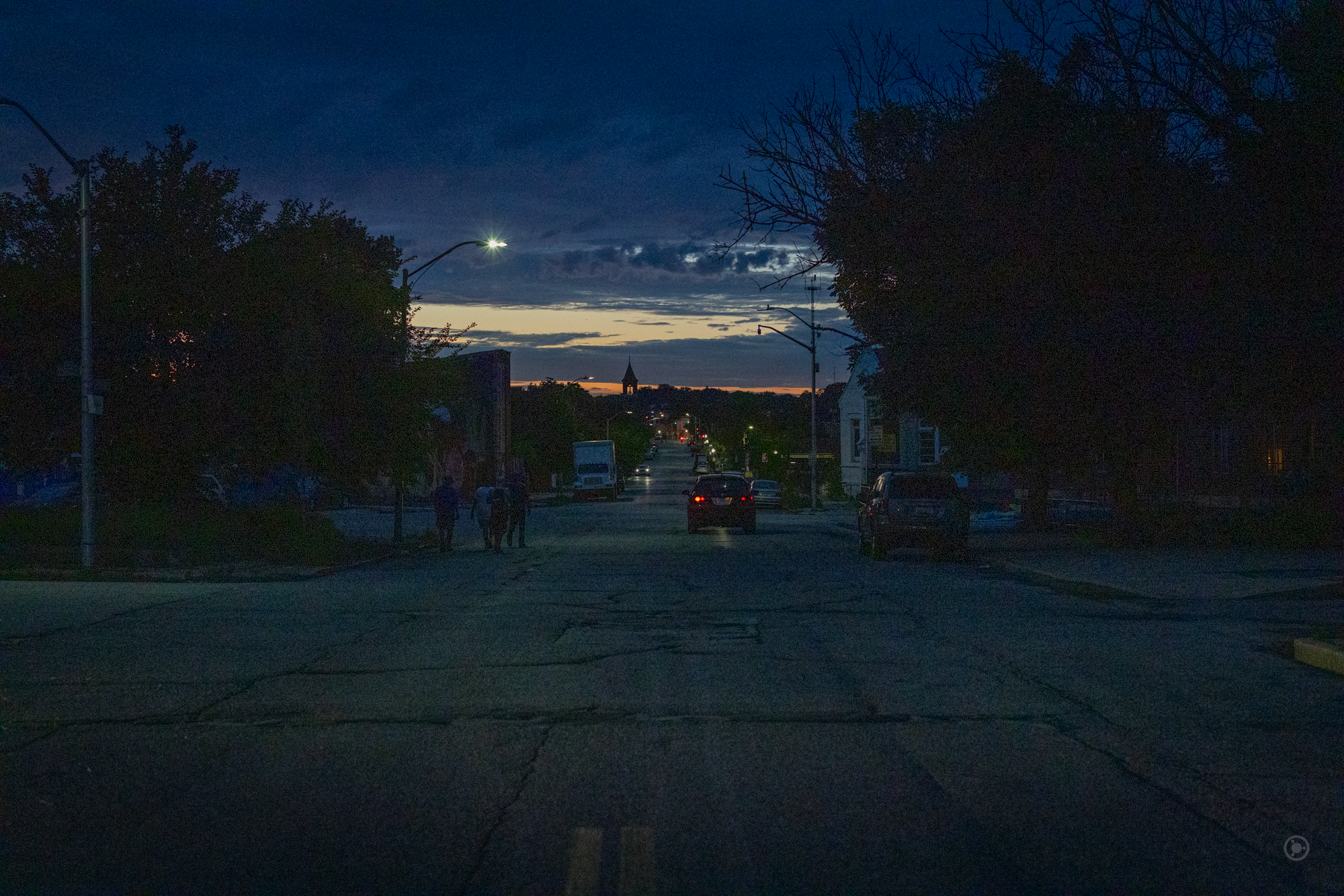
On the outskirts, police vehicles sat, lights blinking into the crowd. There was nowhere anyone could go to mourn without being able to see the police on the fringes.

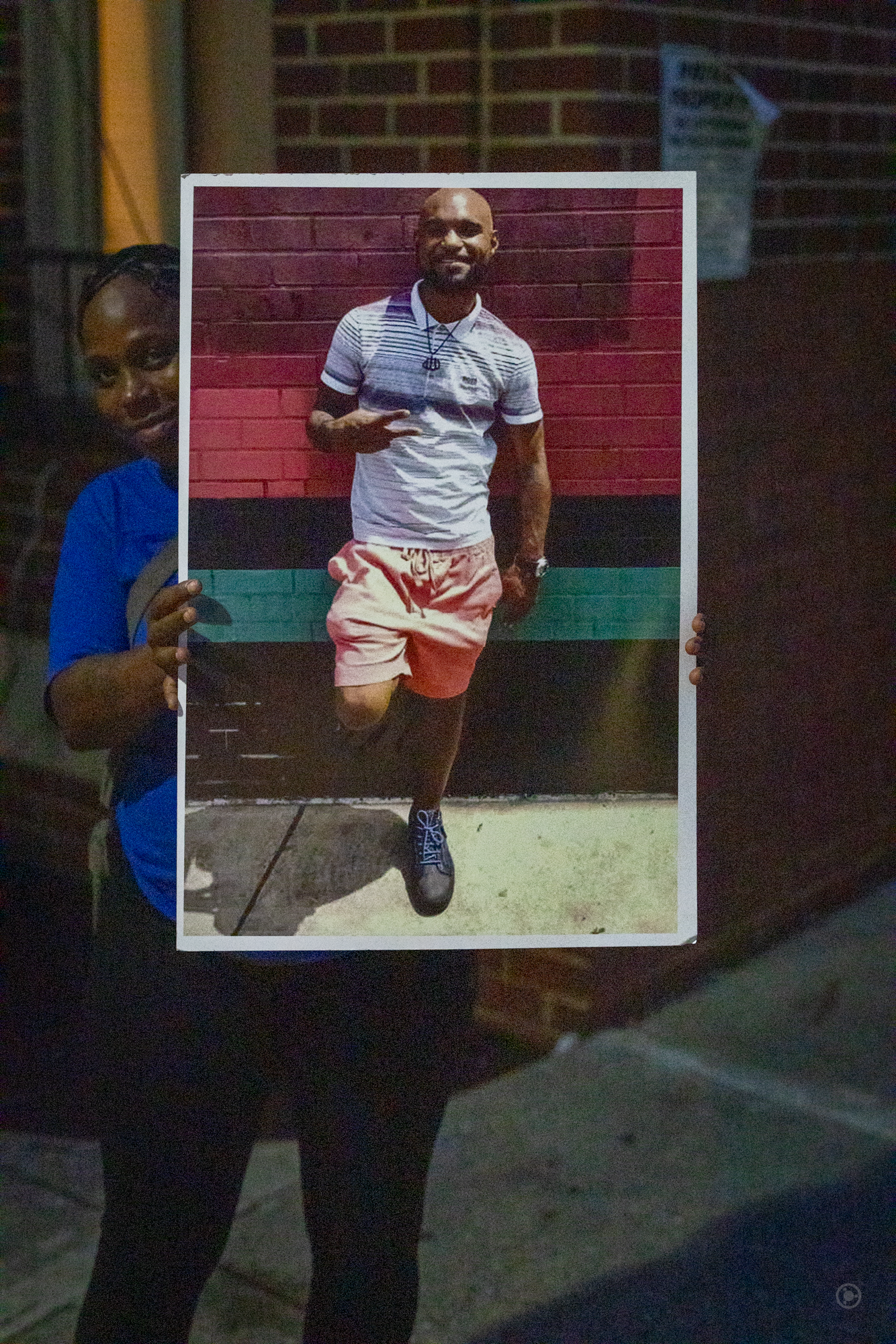
As it got darker, people began to filter home, and a soft rain began to fall. Family members picked up the photos of Bilal to take with them. “Bilal was my rock. My foundation,” one woman said, holding up a photo of Bilal standing in front of a red, black, and green wall.
The sky rumbled with thunder softly as people walked home. Tonight was about peace.

A Farewell to Shamani


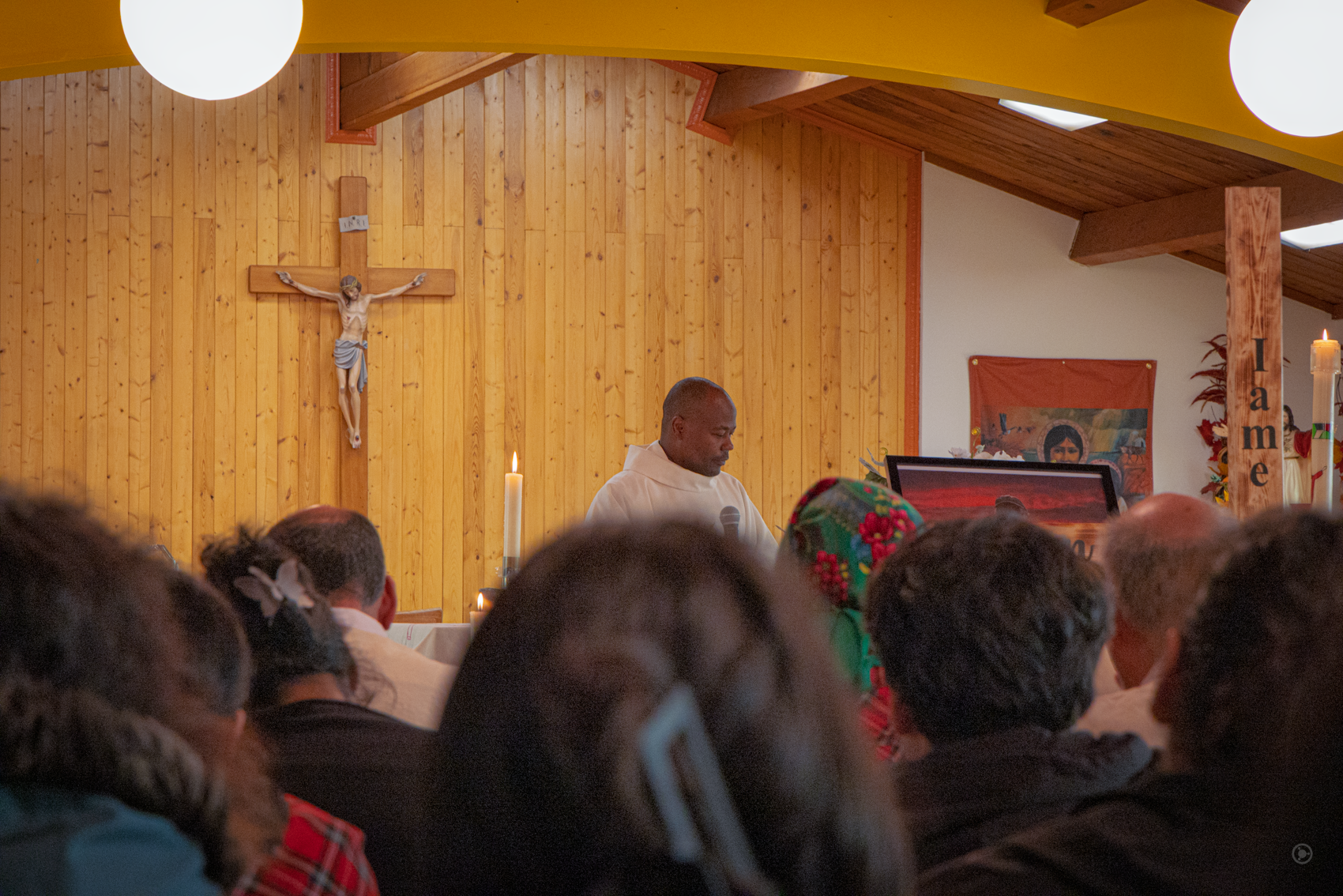
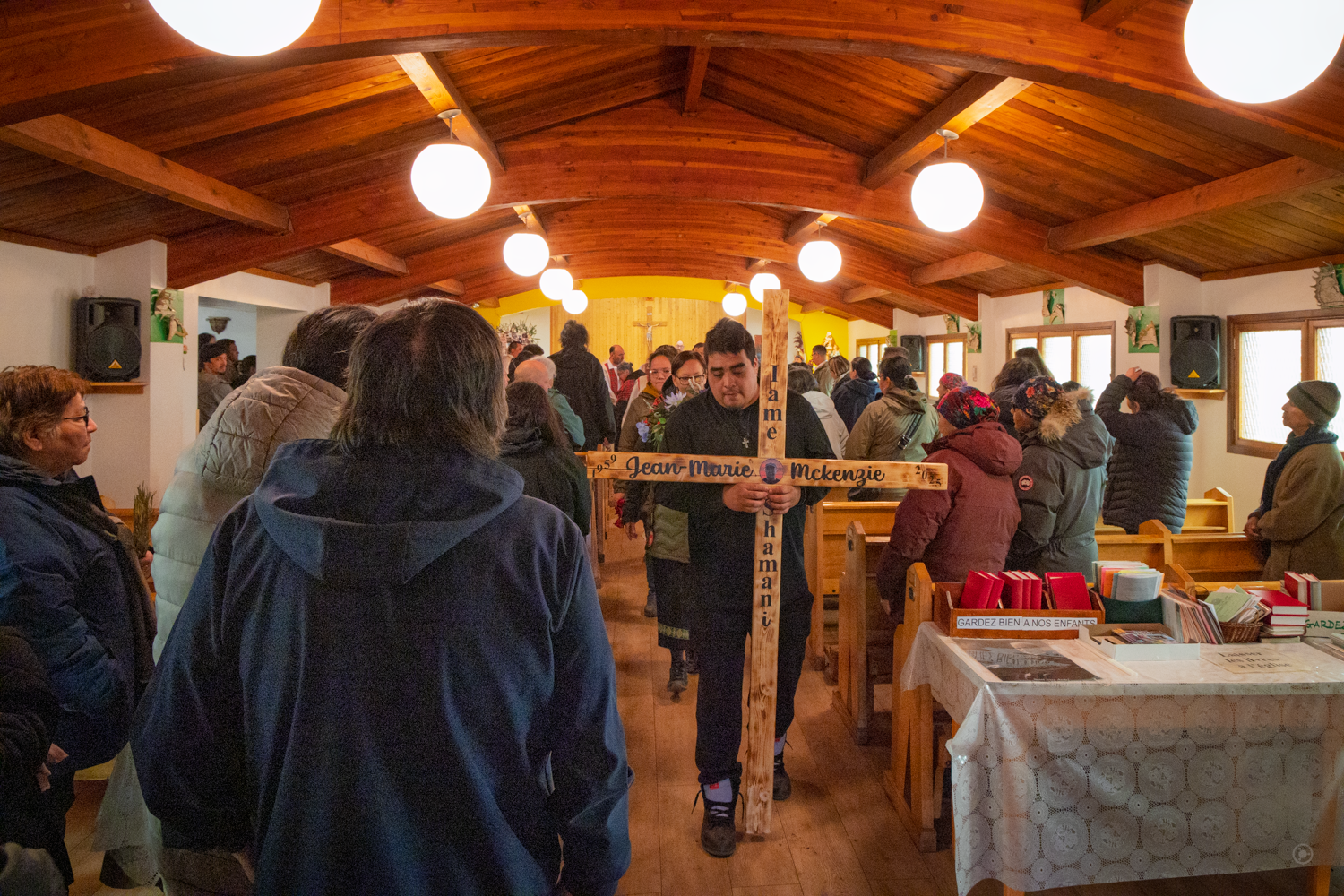
Yesterday, the communities of Matimekush and Kawawachikamach came together to lay to rest Jean-Marie (Shamani) McKenzie. The Matimekosh church, with its beautiful architecture and warm light, served as the sacred space for his farewell.


Father Gerard Tsetsalam, originally from Cameroon, delivered the entire funeral service in Innu. Later, at the feast, we exchanged words in Innu ourselves—an exchange so unexpected that someone nearby chuckled, “This has to be the weirdest conversation in Innu I’ve ever heard”.


The church was full. Family, friends, elders, and youth packed the pews. Shamani was deeply loved, and his memory brought together generations.


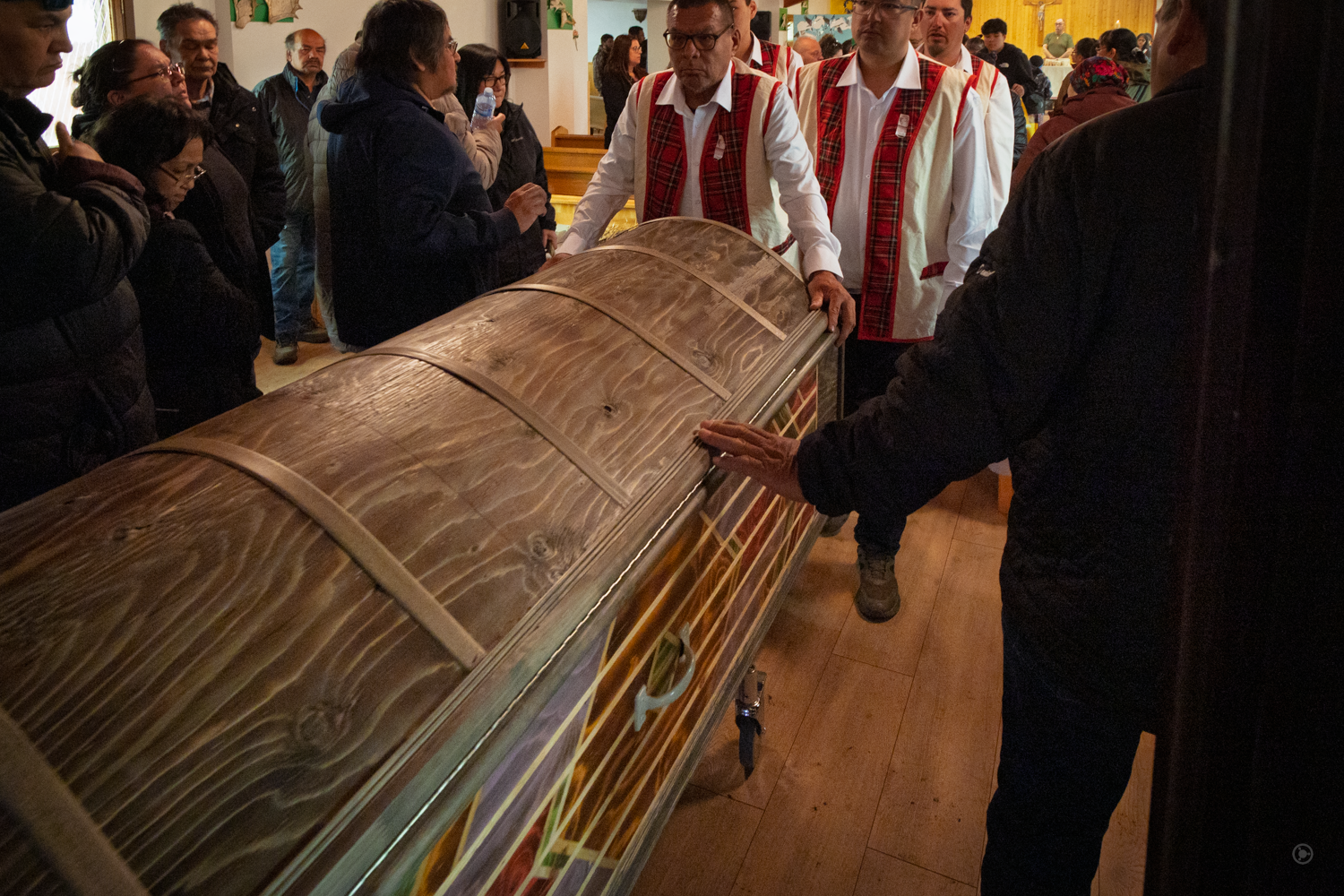
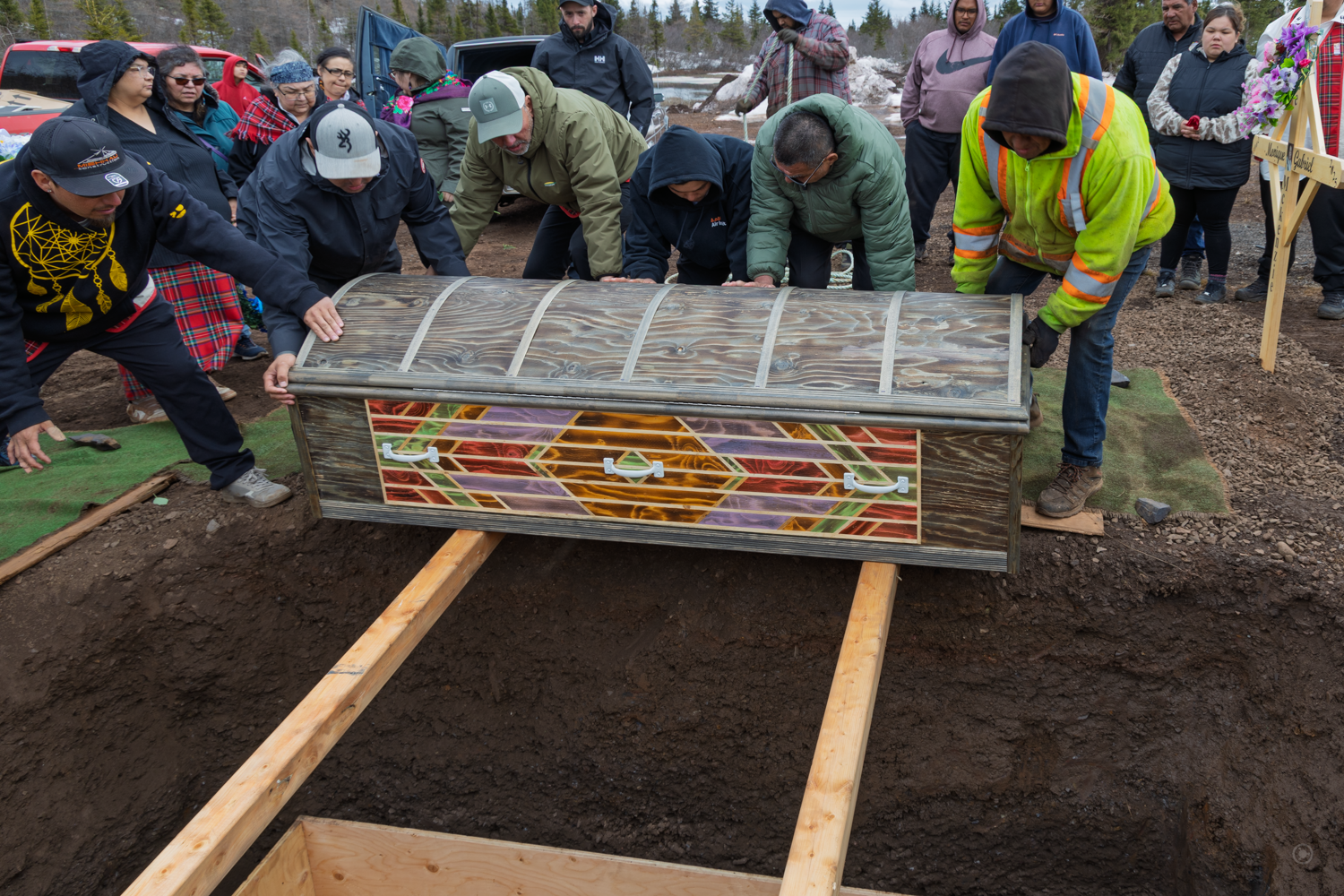
The casket, handcrafted by Craig Jaques, was a true work of art. With a curved lid and inlaid wood, it stood as a testament not only to craftsmanship but also to the love poured into Shamani’s farewell.


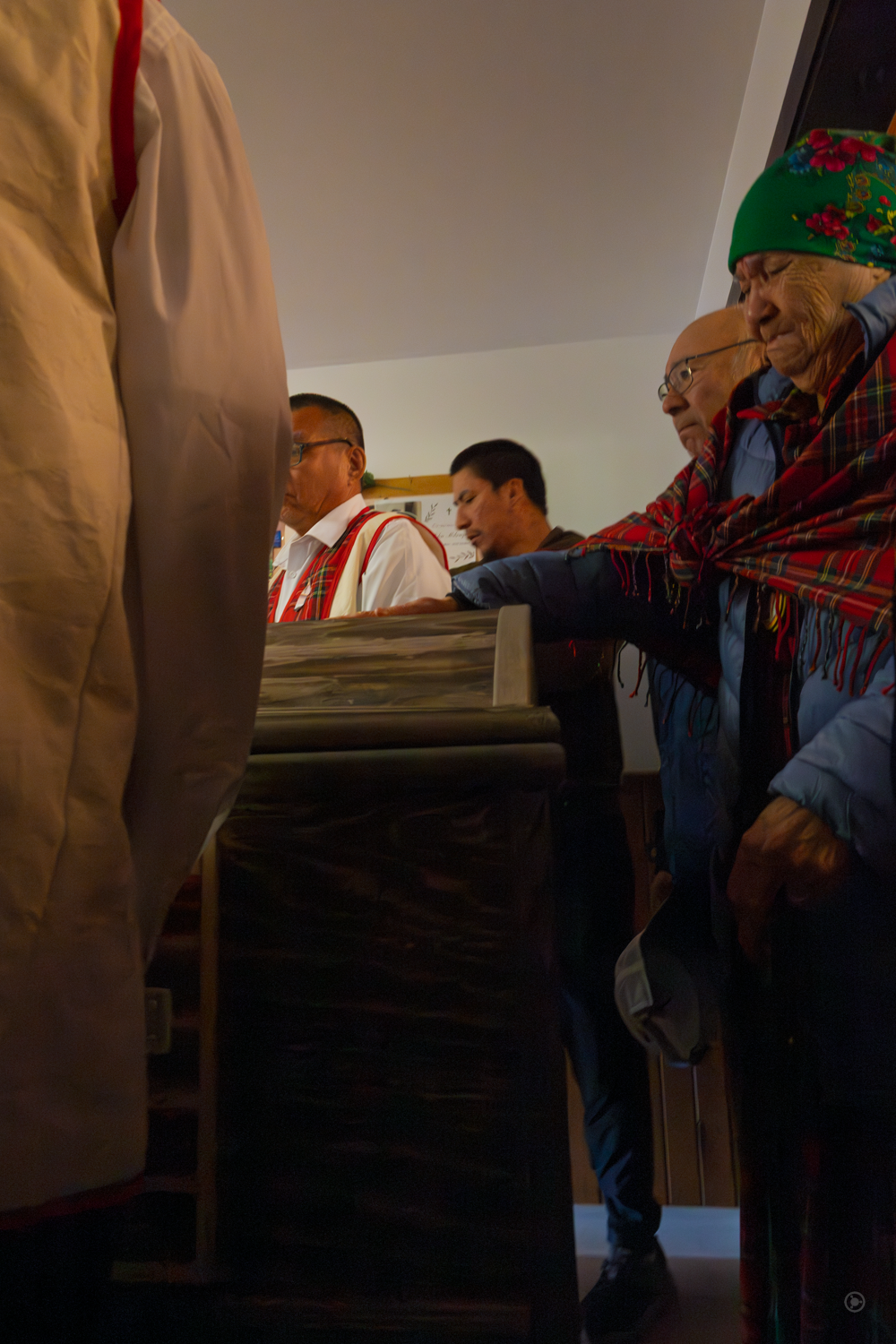
Susie Uniam McKenzie, Shamani’s mother, held onto the casket as long as she could before it was loaded into the hearse.


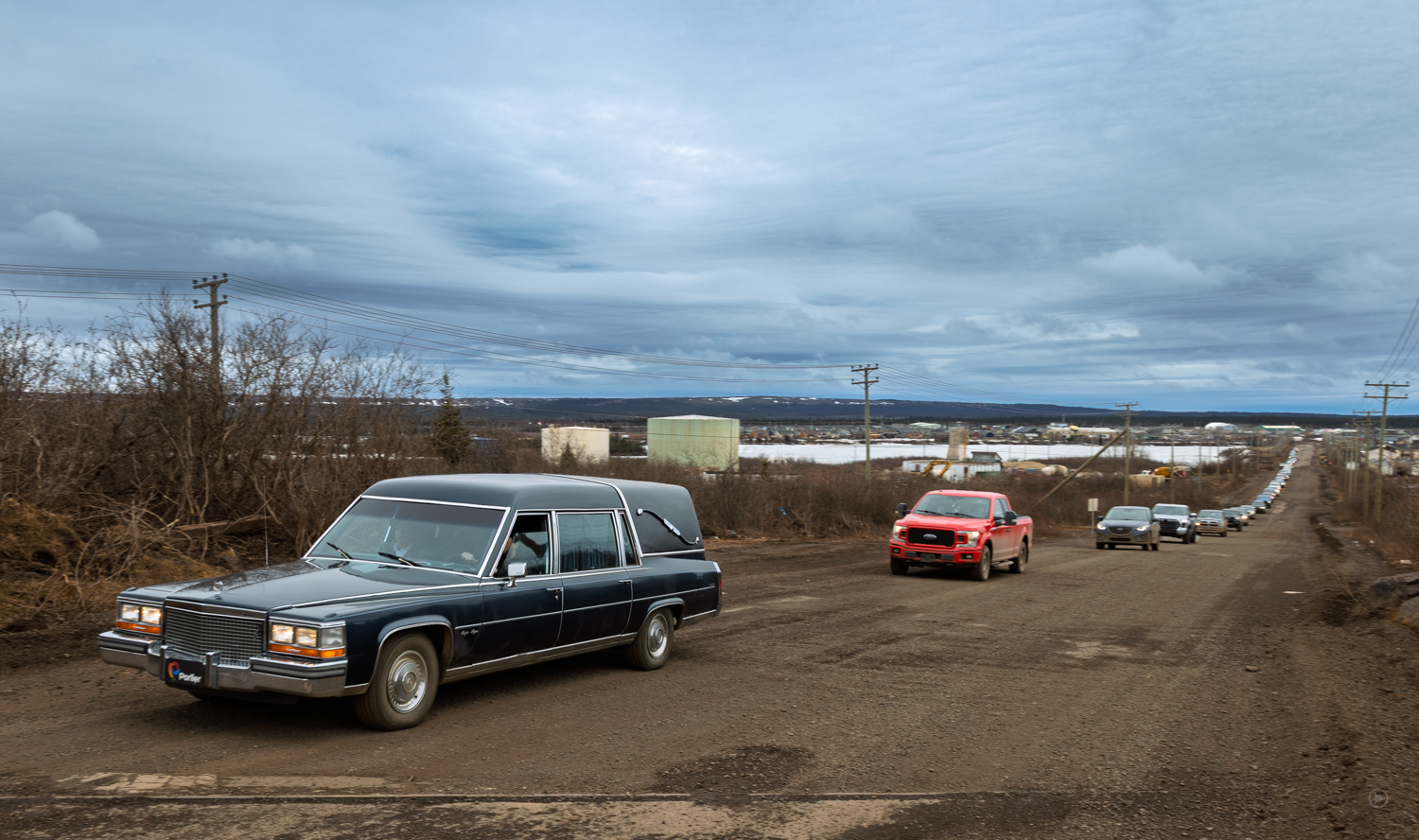
Following tradition in both communities, a long procession followed the hearse out of Schefferville, making its way up the hill to the cemetery.


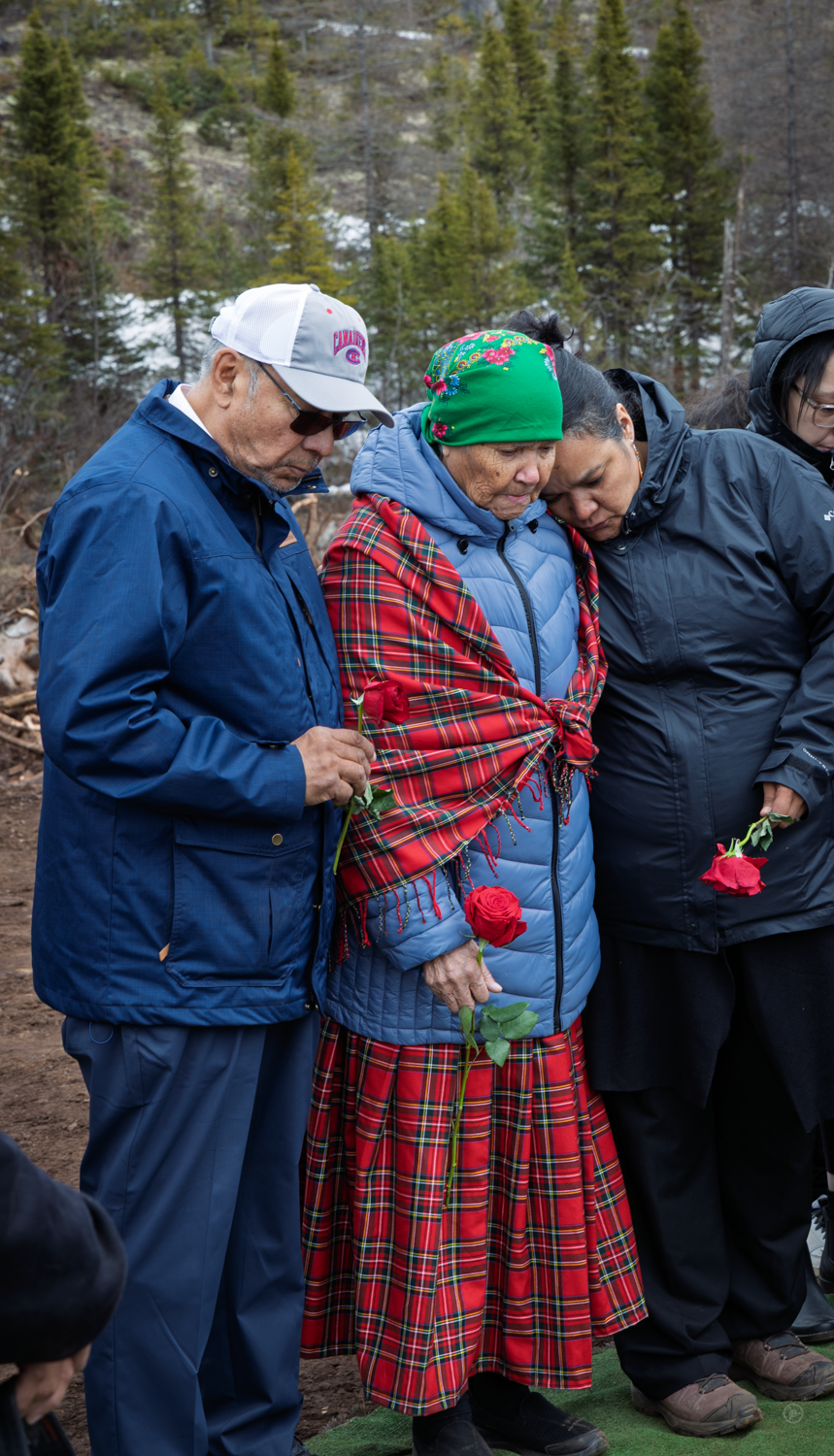
While the casket was prepared for burial, many took the opportunity to visit their own loved ones buried nearby—an unspoken ritual of connection and remembrance.


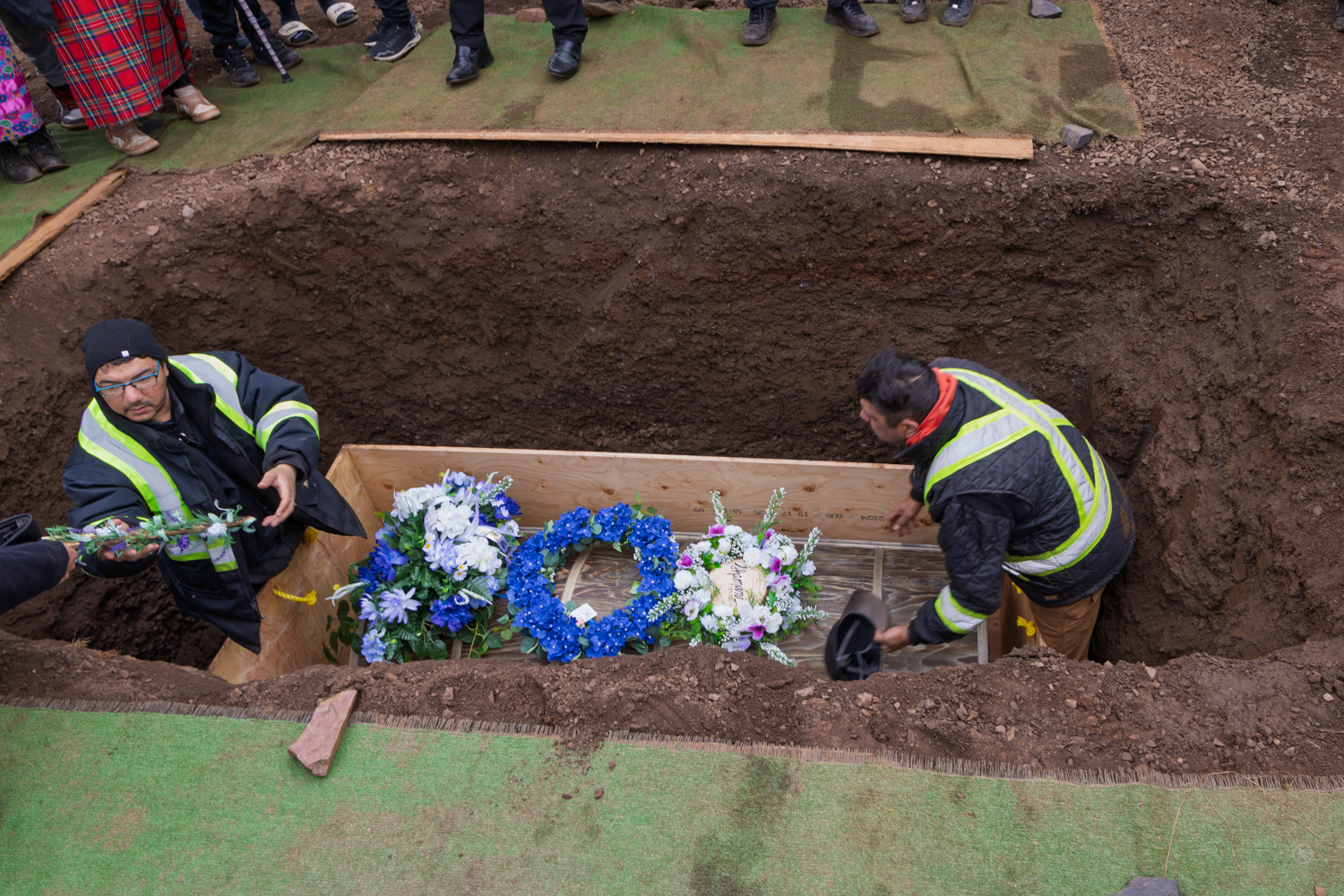
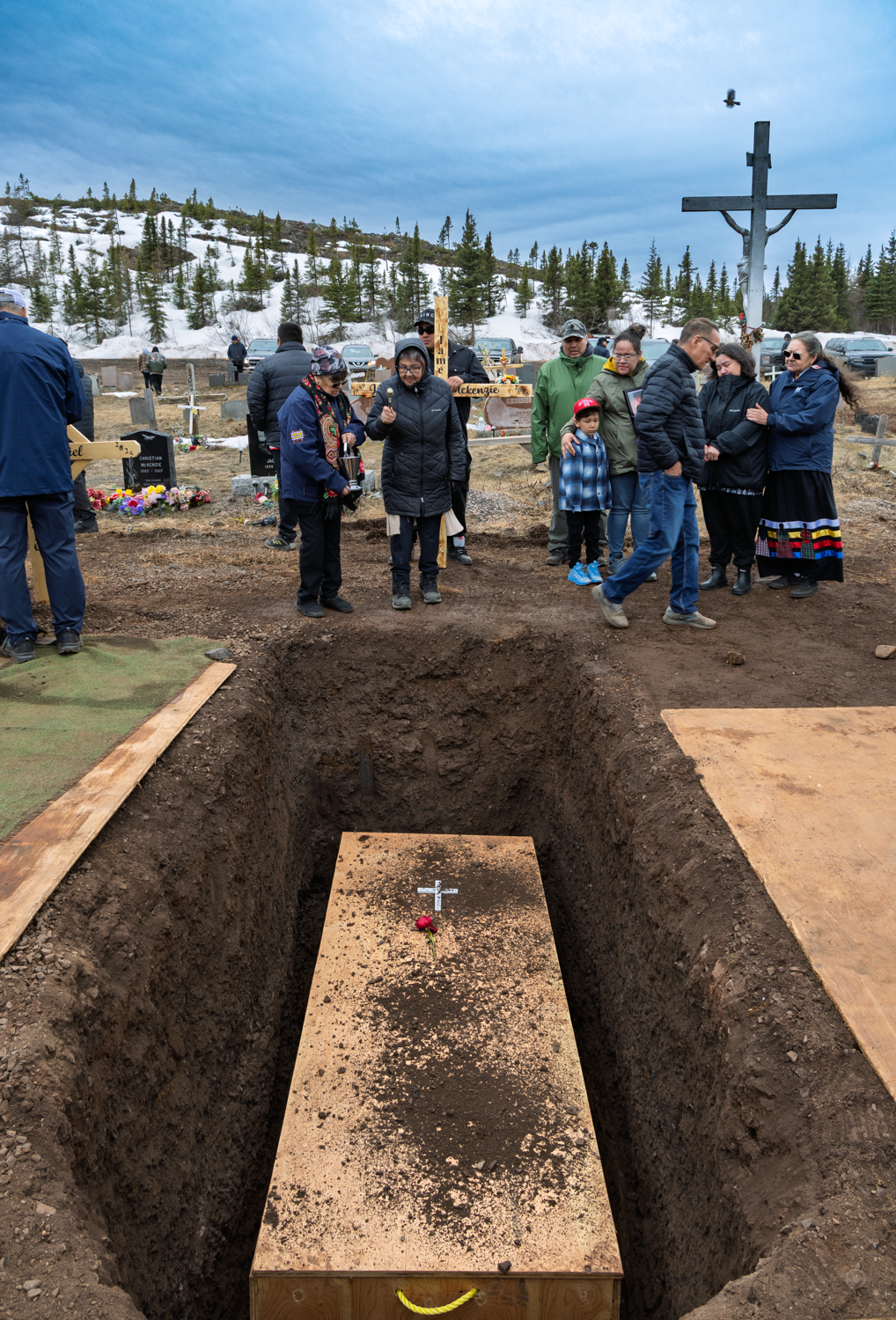
The casket was gently lowered onto boards and then into the grave with ropes. His family laid flowers across it before it was sealed inside the outer box.


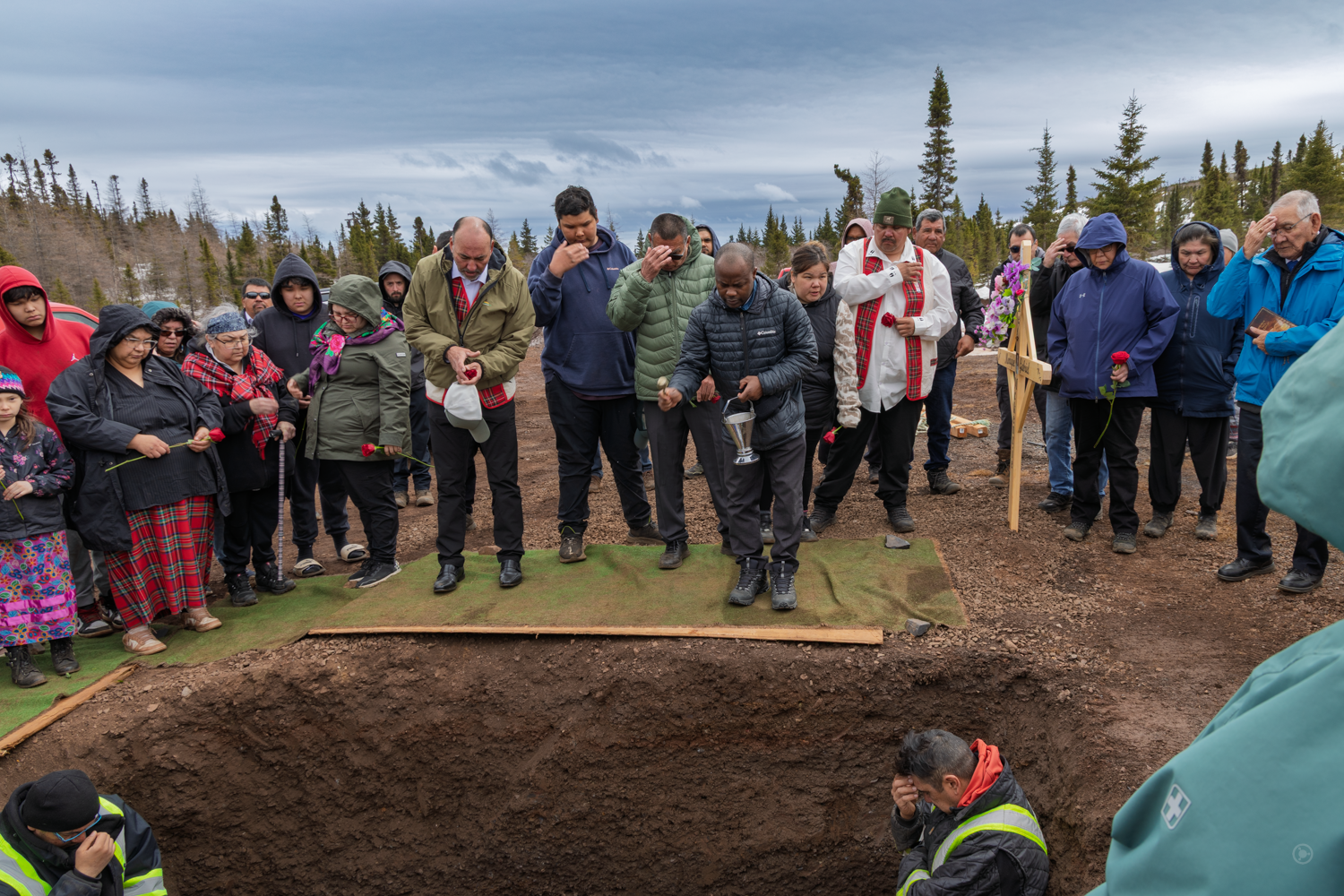
As the outer box was sealed, Father Tsetsalam offered one last blessing over Shamani’s resting place.


Pierre-Jacques McKenzie, Shamani’s stepfather, and Jacynthe, his niece, embraced Susie Uniam McKenzie before casting their flowers.


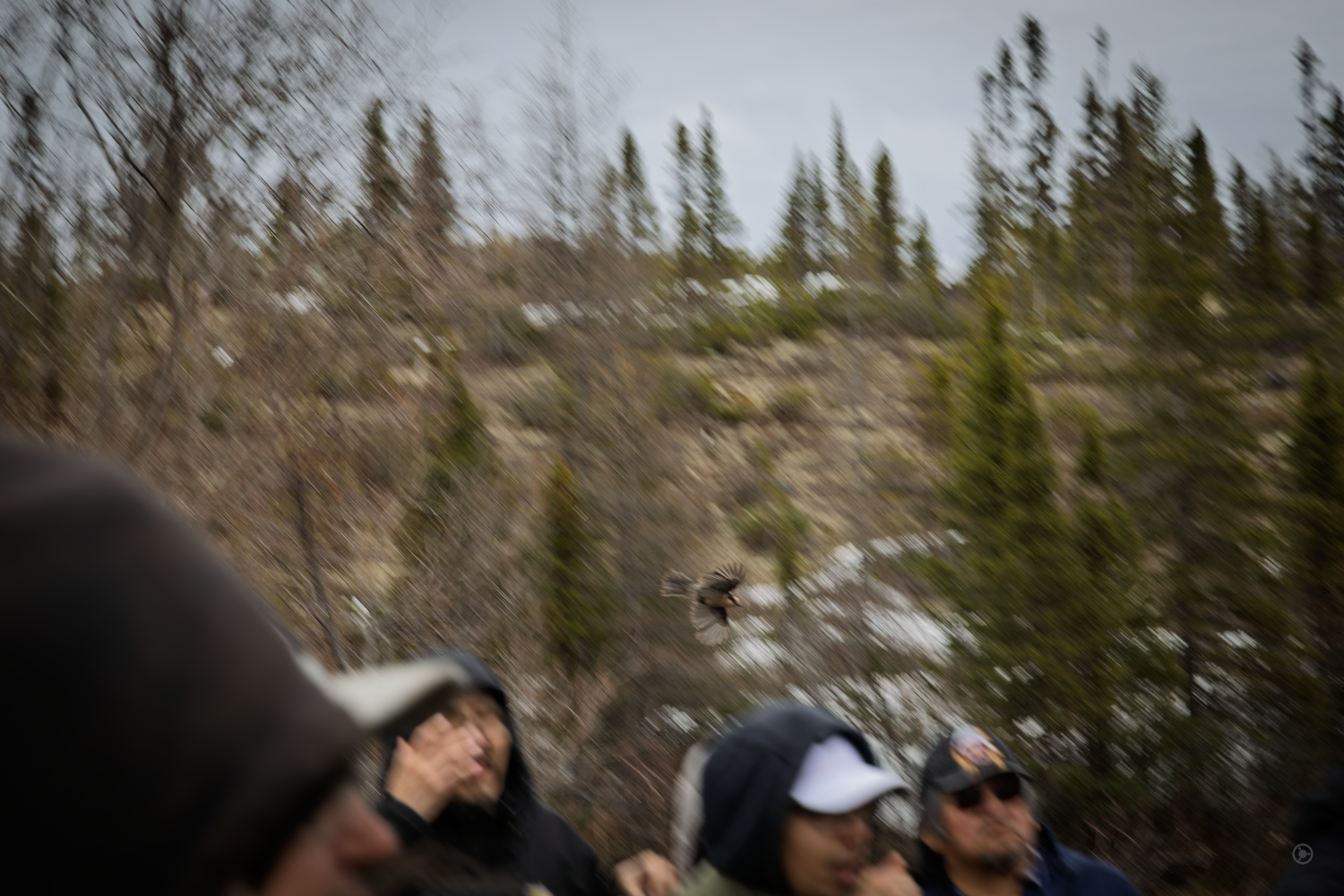
As the blessing was spoken, a Whiskichak (Canada Jay) flew low over the mourners, weaving between us before alighting on a wachinakin tree overlooking the grave.


The bird circled a few more times before resting on the large cross at the center of the cemetery. It remained there until every handful of earth had been placed and the crowd began to drift away.

My First Feature in BmoreArt: Rise Baltimore 2025

A stage performance features cellist Lavena Johanson on the left, pianist and composer Judah Adashi at center, and activist Erricka Bridgeford standing at a microphone on the right. They perform in a dimly lit venue with a projected image of a mural of Freddie Gray displayed behind them. Several seated participants are in the background, suggesting a collaborative, multimedia tribute or performance centered on social justice.

I’m thrilled to share that my photography was featured in BmoreArt’s latest article, covering this year’s Rise Bmore concert.

It’s my first time being published in BmoreArt, and I couldn’t be more honored. Huge thanks to the magazine and to writer Gabriella Souza for capturing the spirit of the event so thoughtfully.

I’m especially grateful to Judah Adashi for trusting me year after year to help visually document this deeply meaningful gathering. Rise Bmore continues to be one of the most powerful expressions of love, memory, and protest in Baltimore — and I’m proud to play a small part in it.

You can view the full article here

Looking Back. Moving Forward — A Special West Wednesday at Red Emma’s

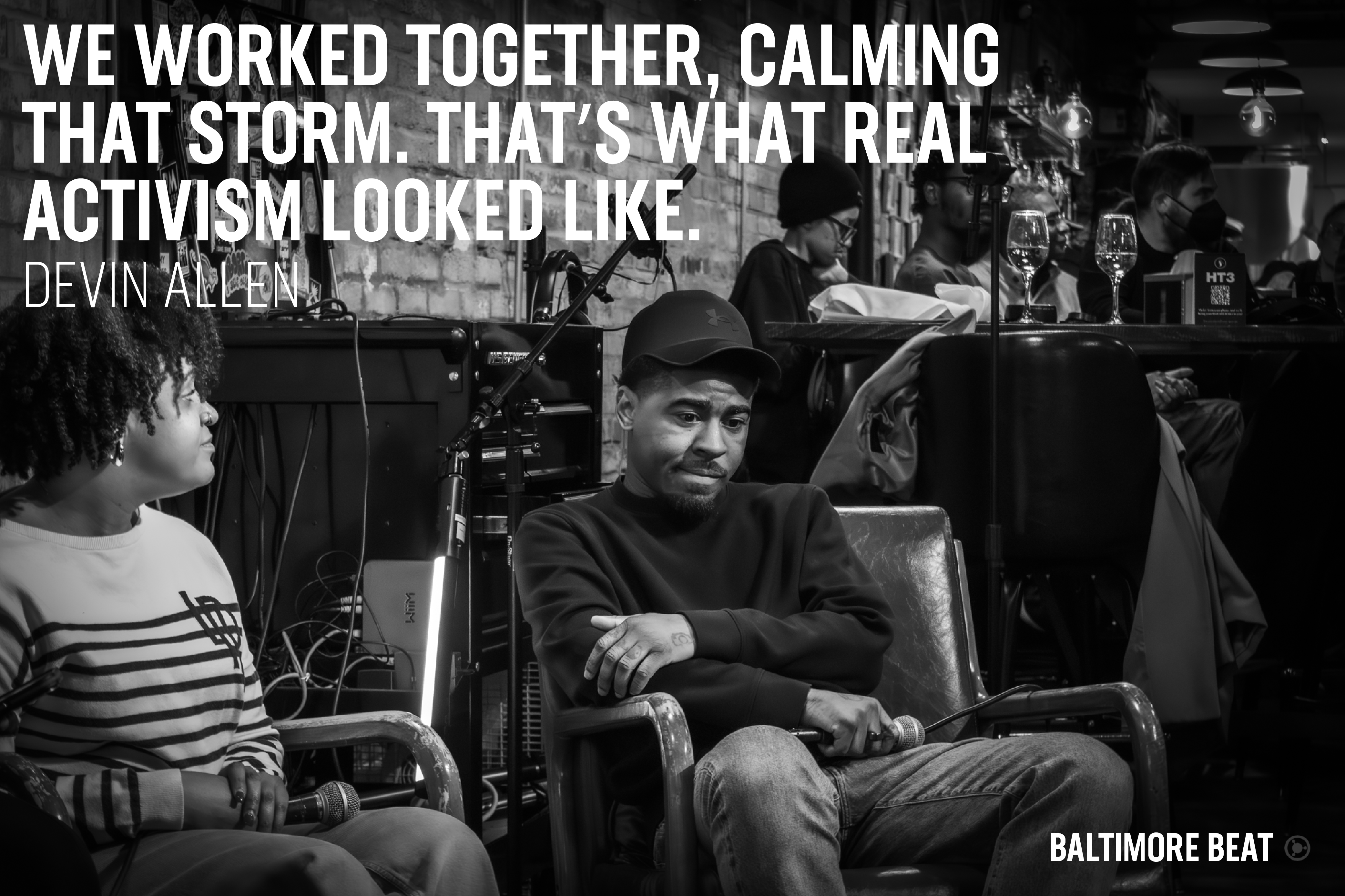
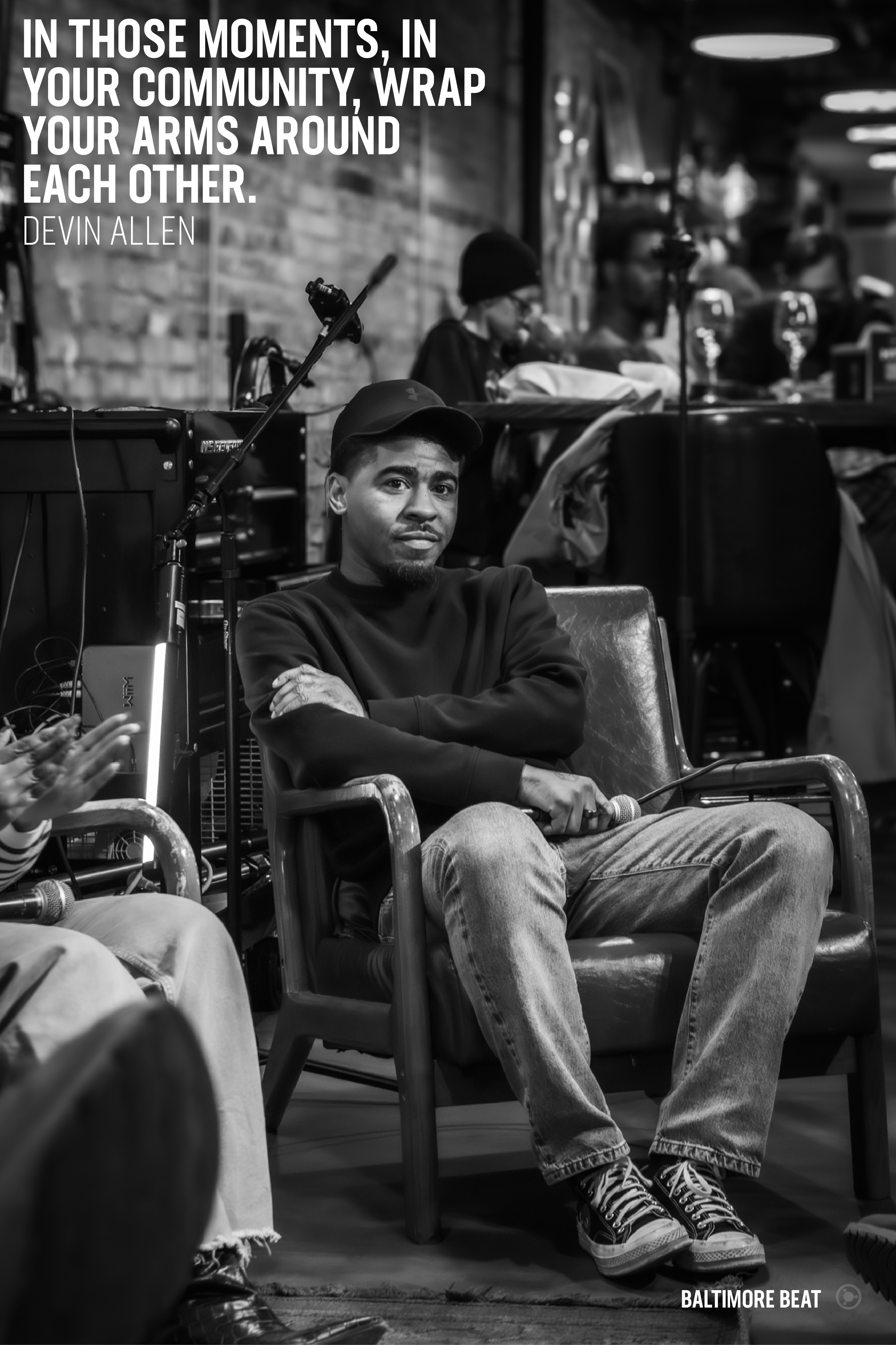
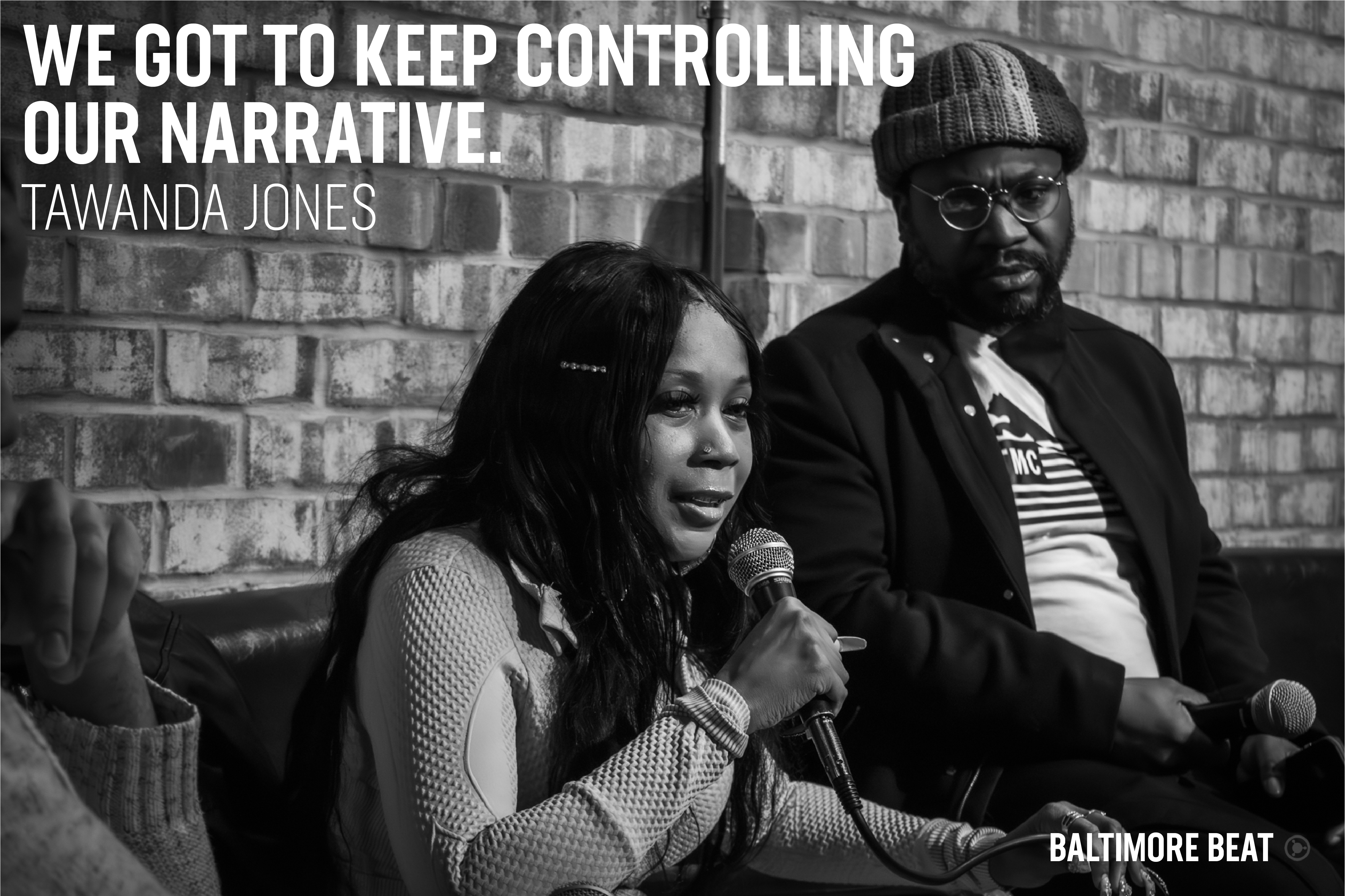
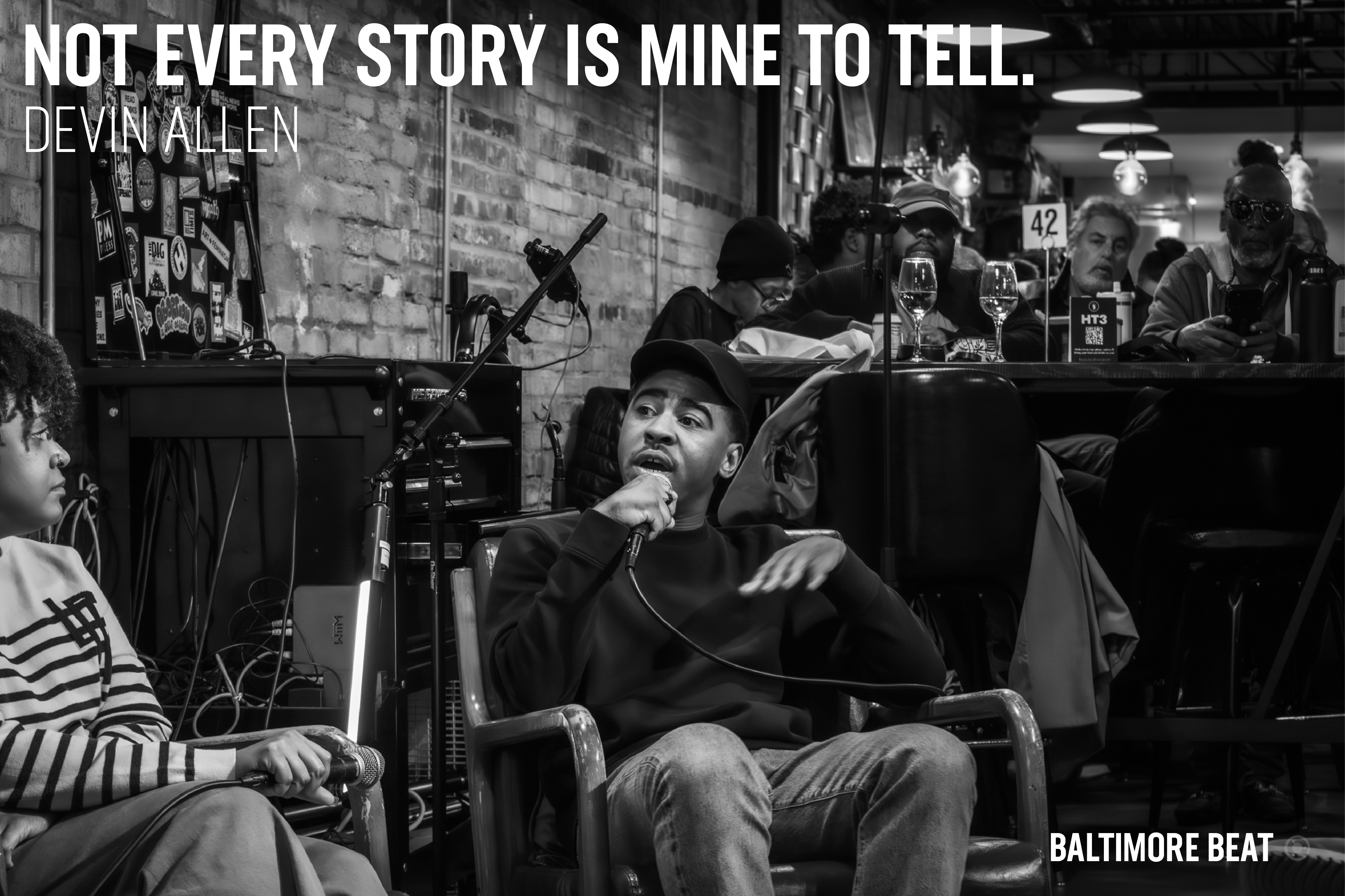
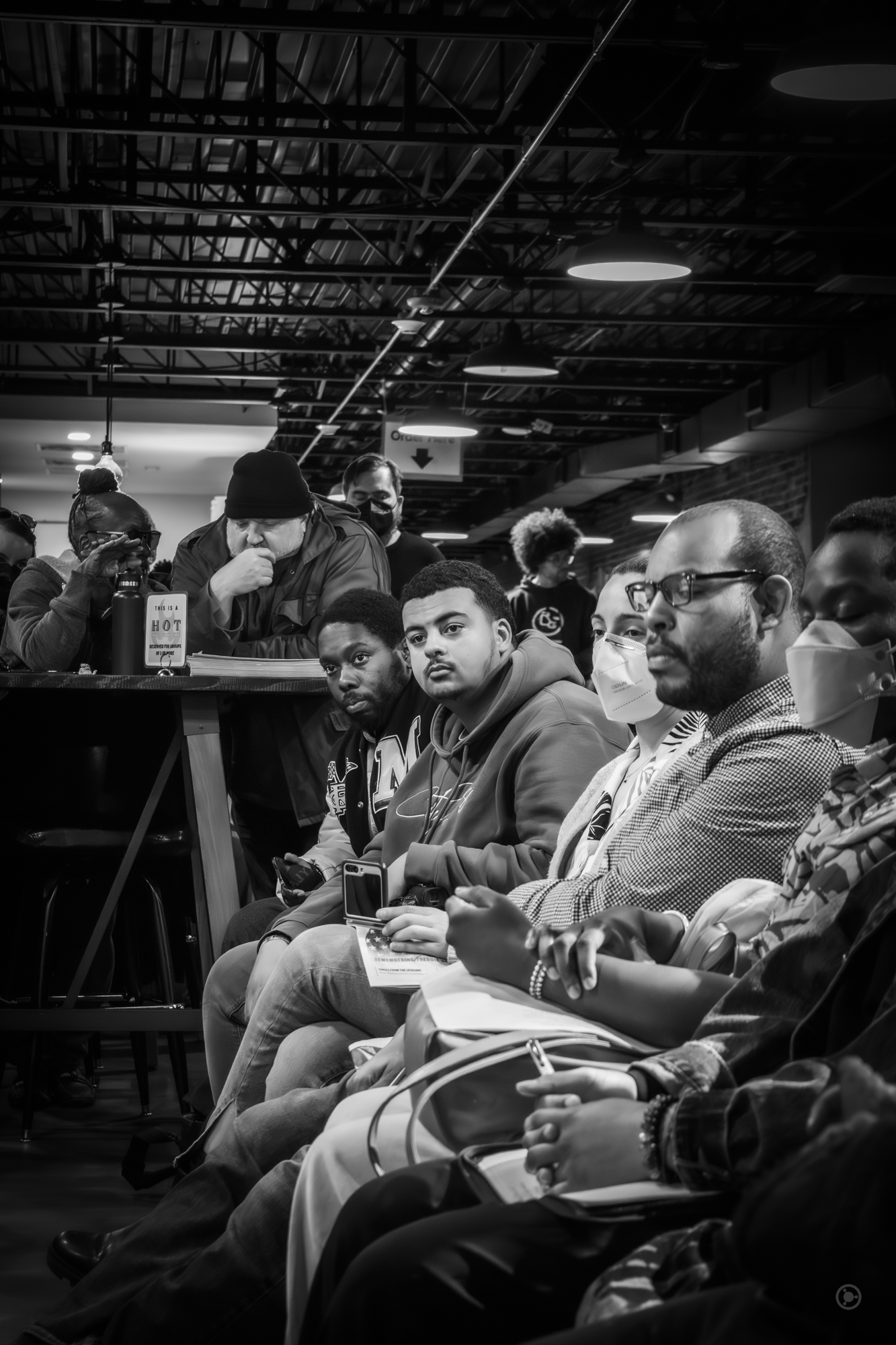
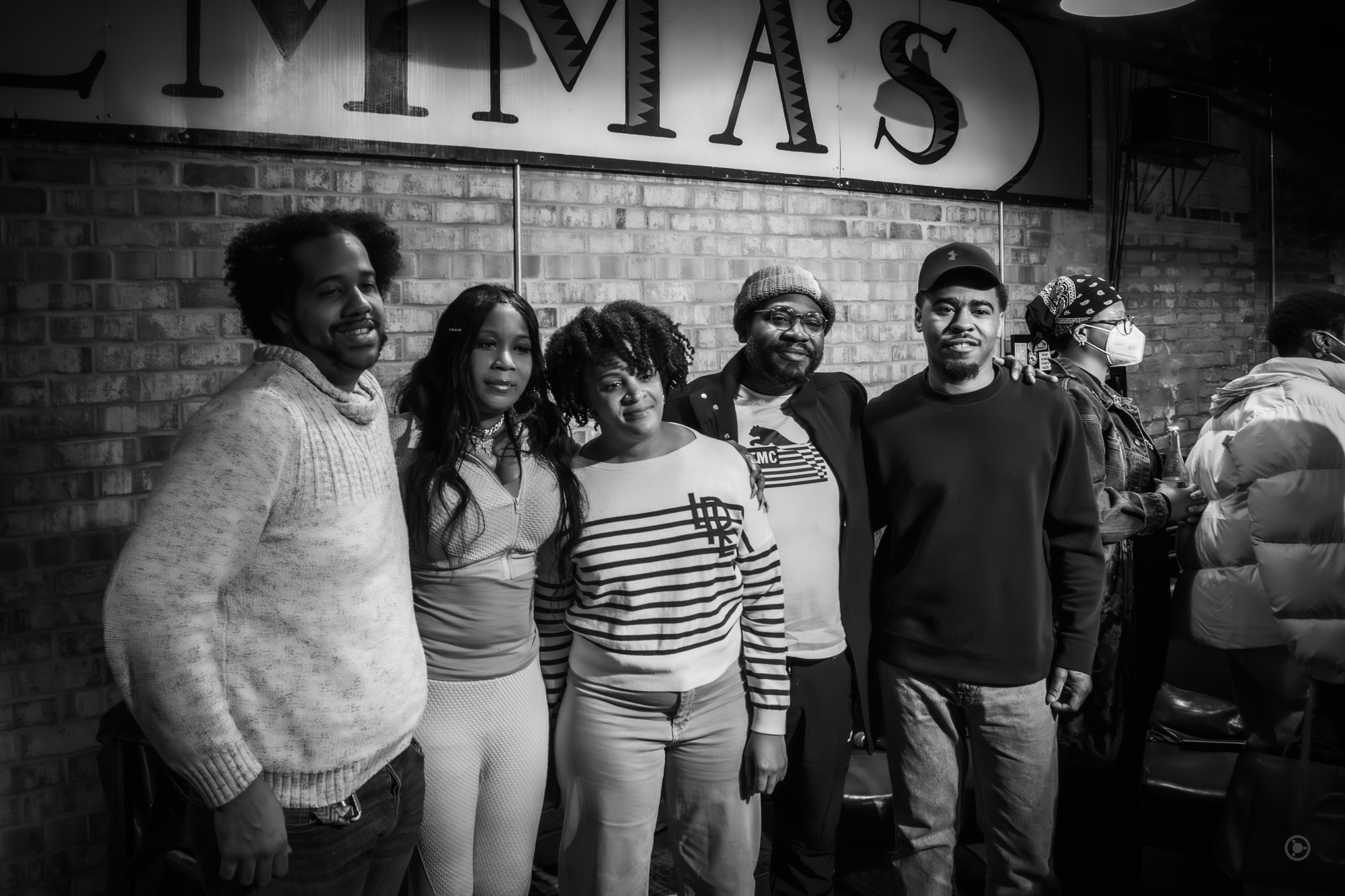
On Wednesday night, I had the honor of photographing a very special edition of West Wednesday—its 611th gathering—hosted by Baltimore Beat at Red Emma’s.

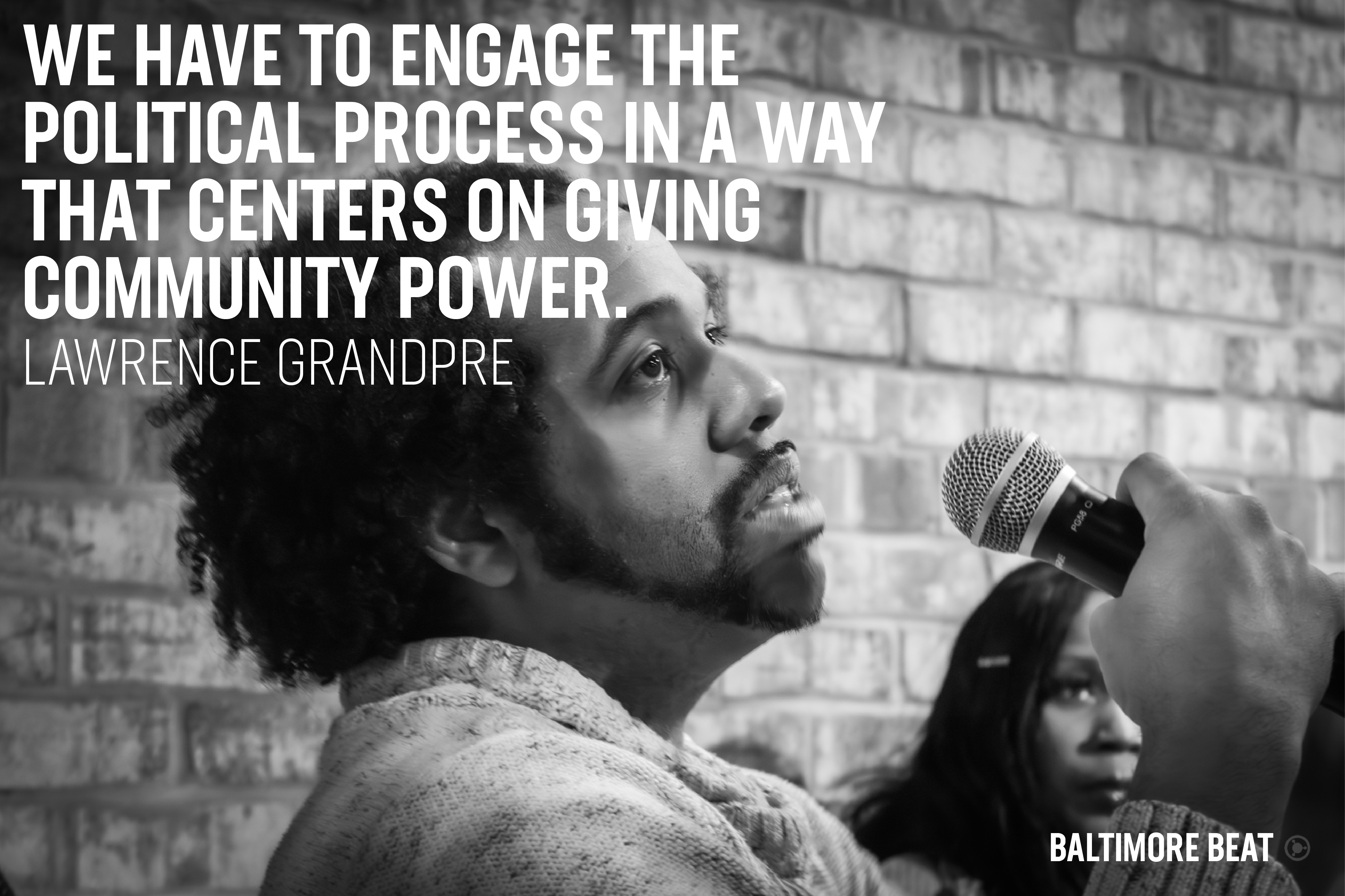
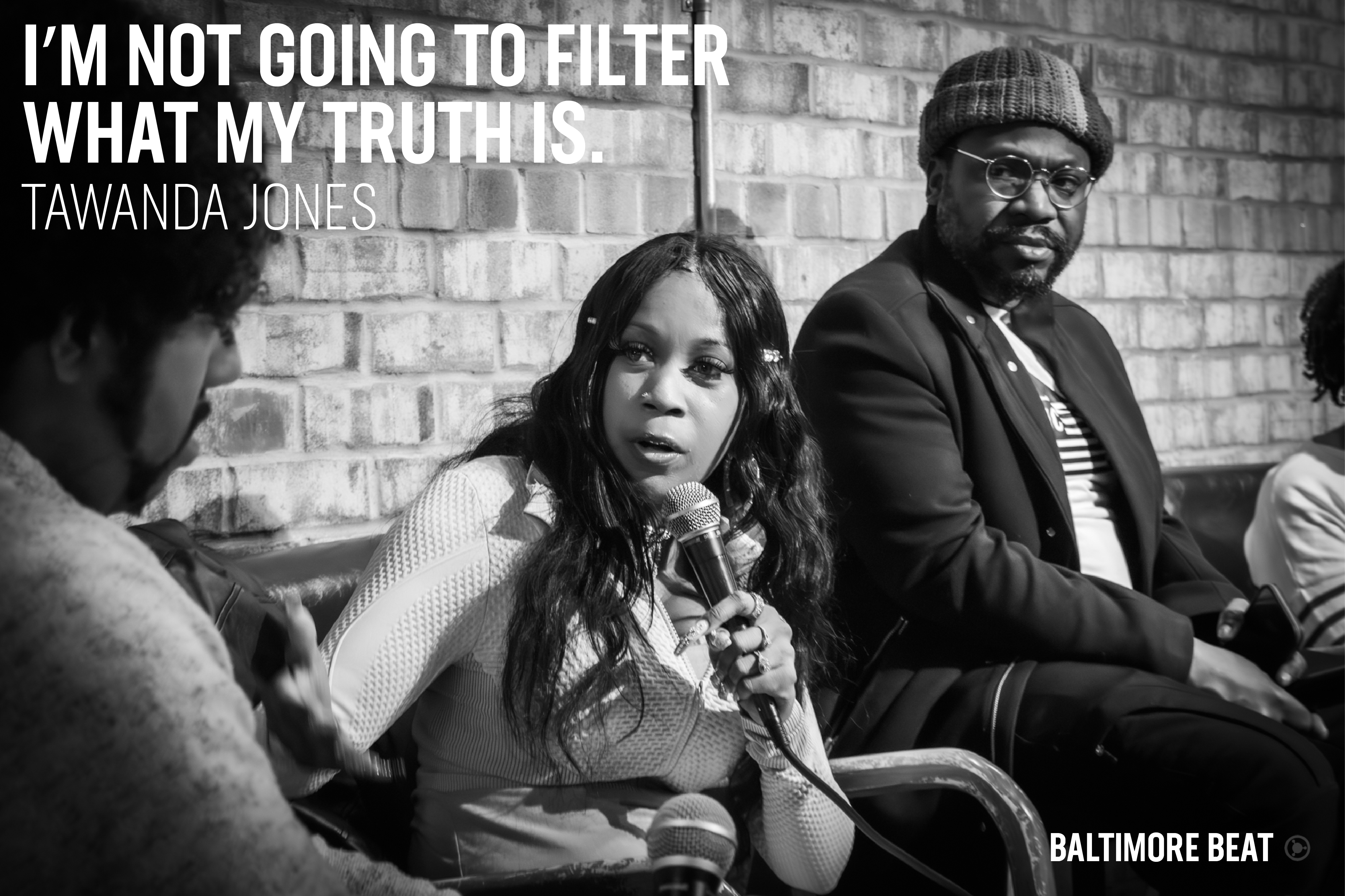
The panel was titled “Looking Back. Moving Forward”, and it marked 10 years since the death of Freddie Gray and the 2015 Uprising that followed. The evening served as both reflection and rallying cry—a chance to grieve, to remember, and to imagine what justice can still look like in our city.

The Panelists

The conversation was led by some of Baltimore’s most powerful voices:

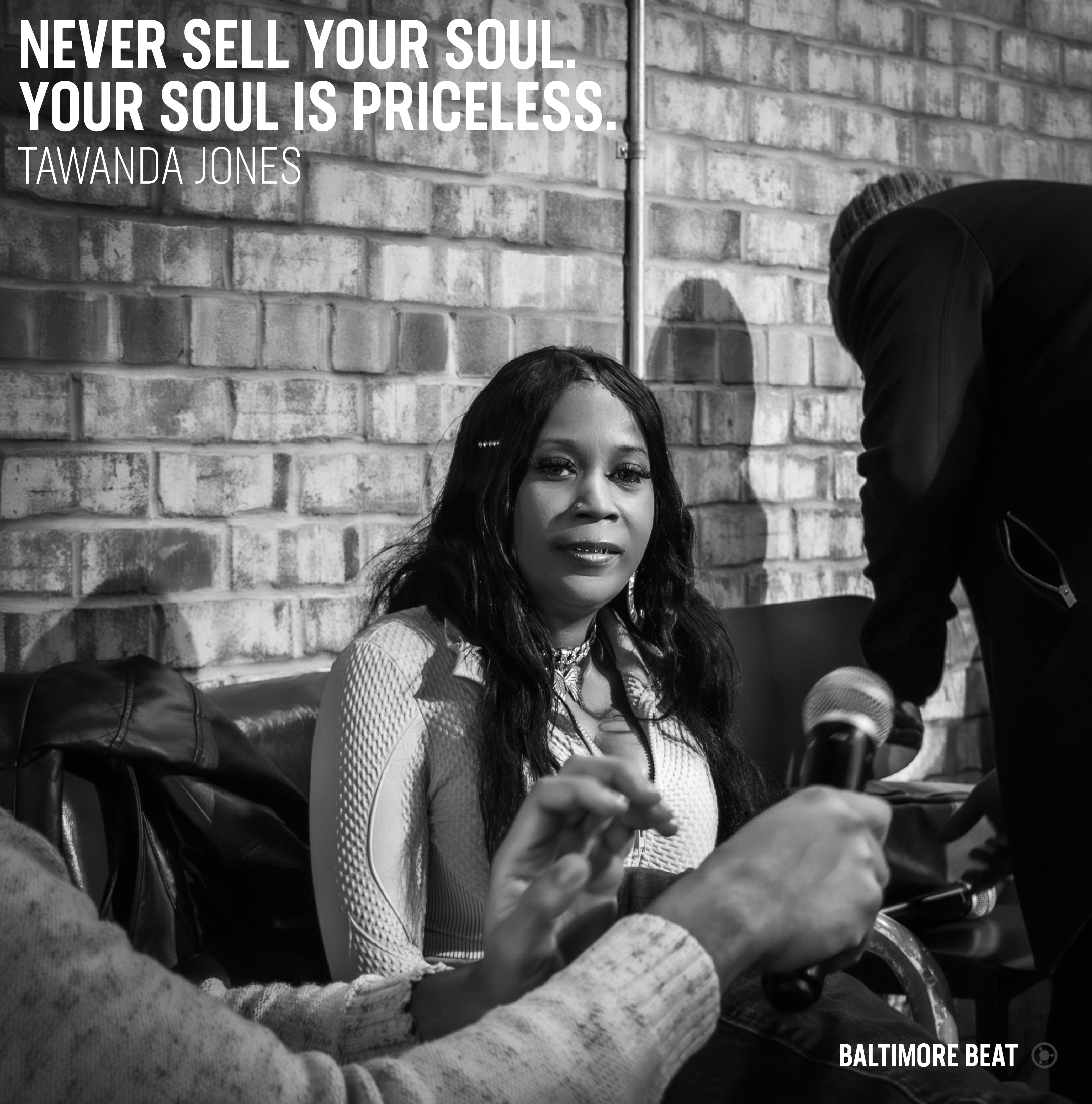
  • Tawanda Jones – Activist, sister of Tyrone West (killed by Baltimore Police in 2013), and the driving force behind West Wednesdays
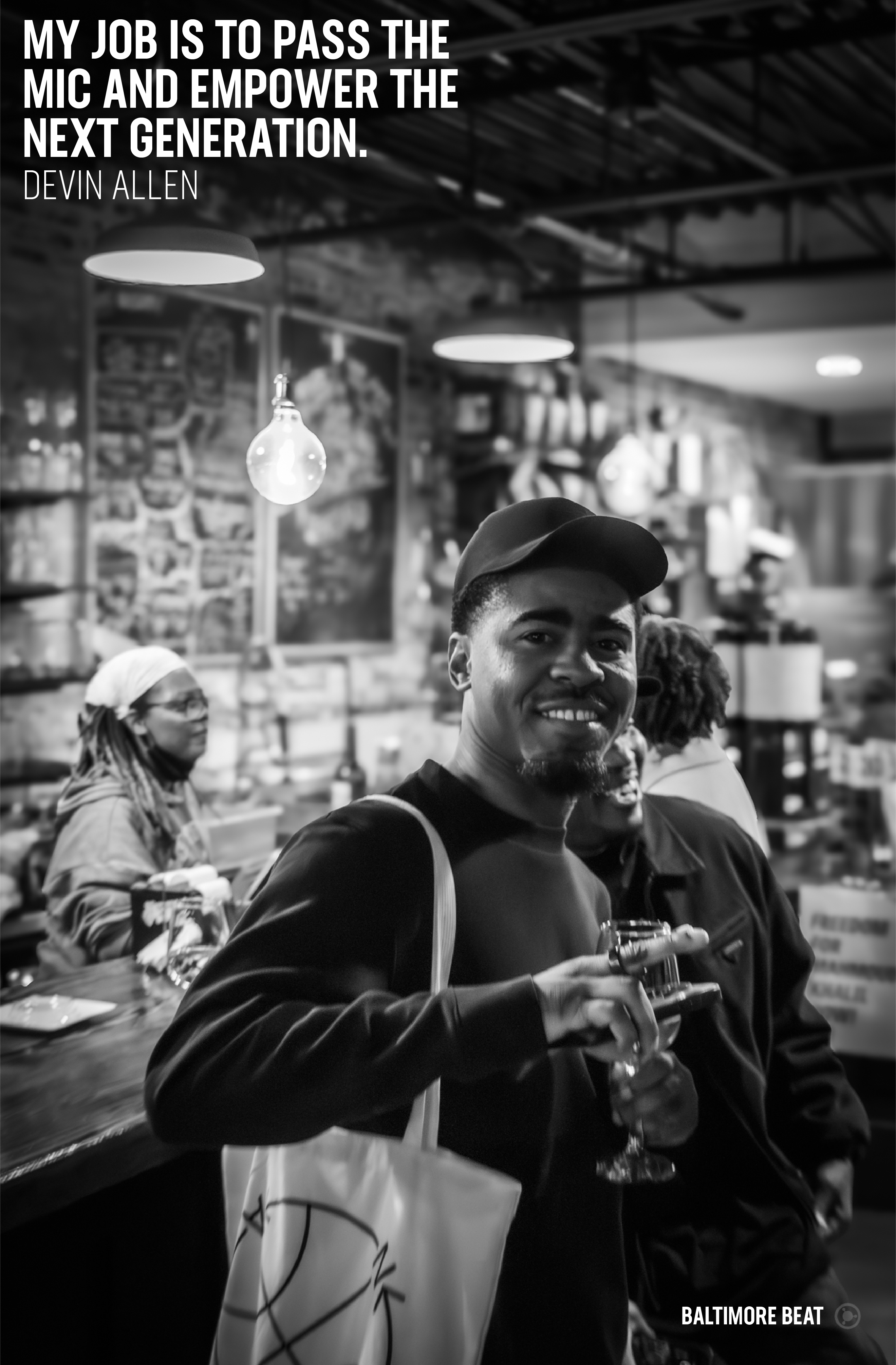
  • Devin Allen – Award-winning photographer whose images from 2015 made national headlines
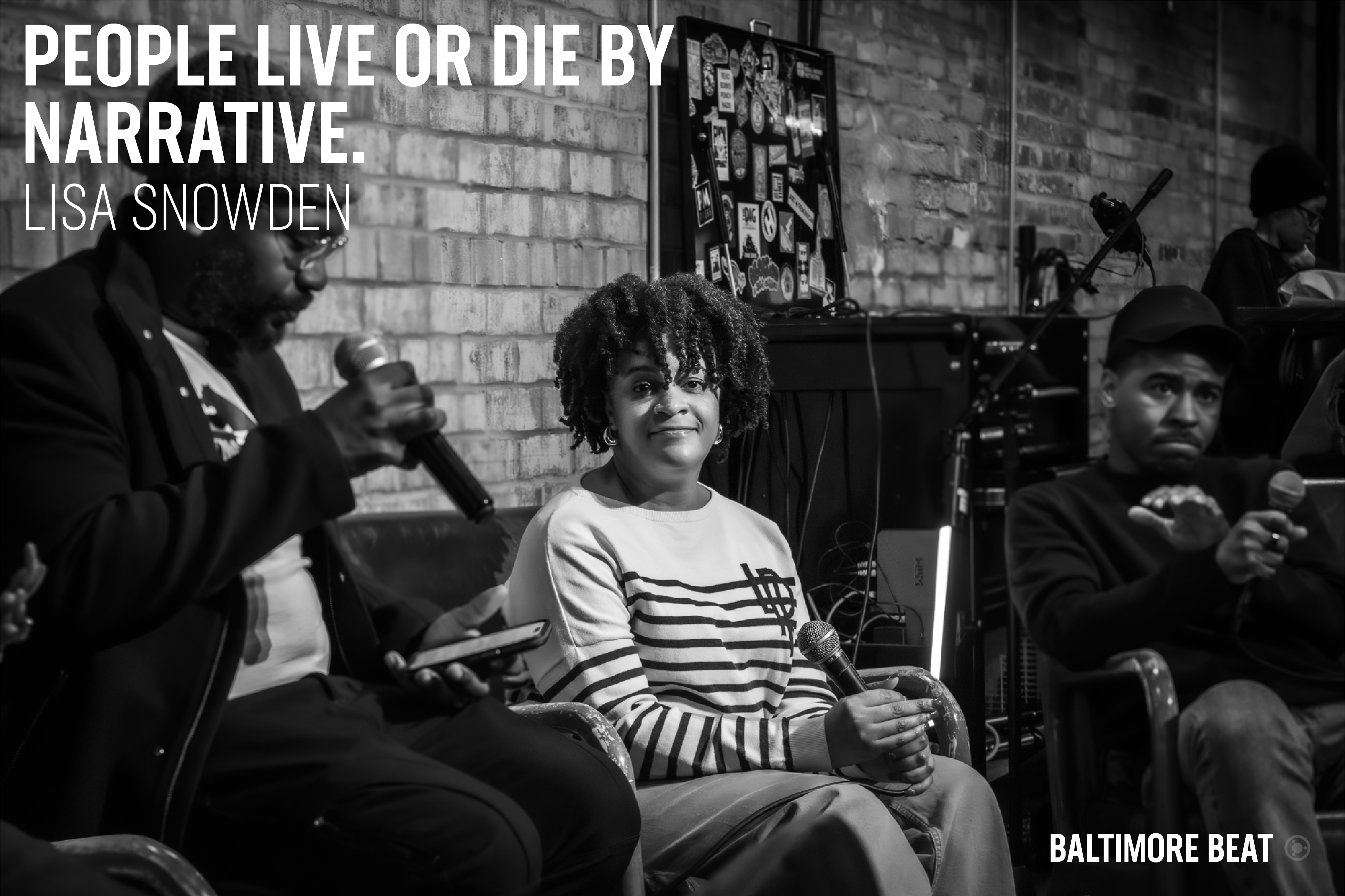
  • Lisa Snowden – Editor-in-chief of Baltimore Beat
  • Lawrence Grandpre – Author and Director of Research at Leaders of a Beautiful Struggle
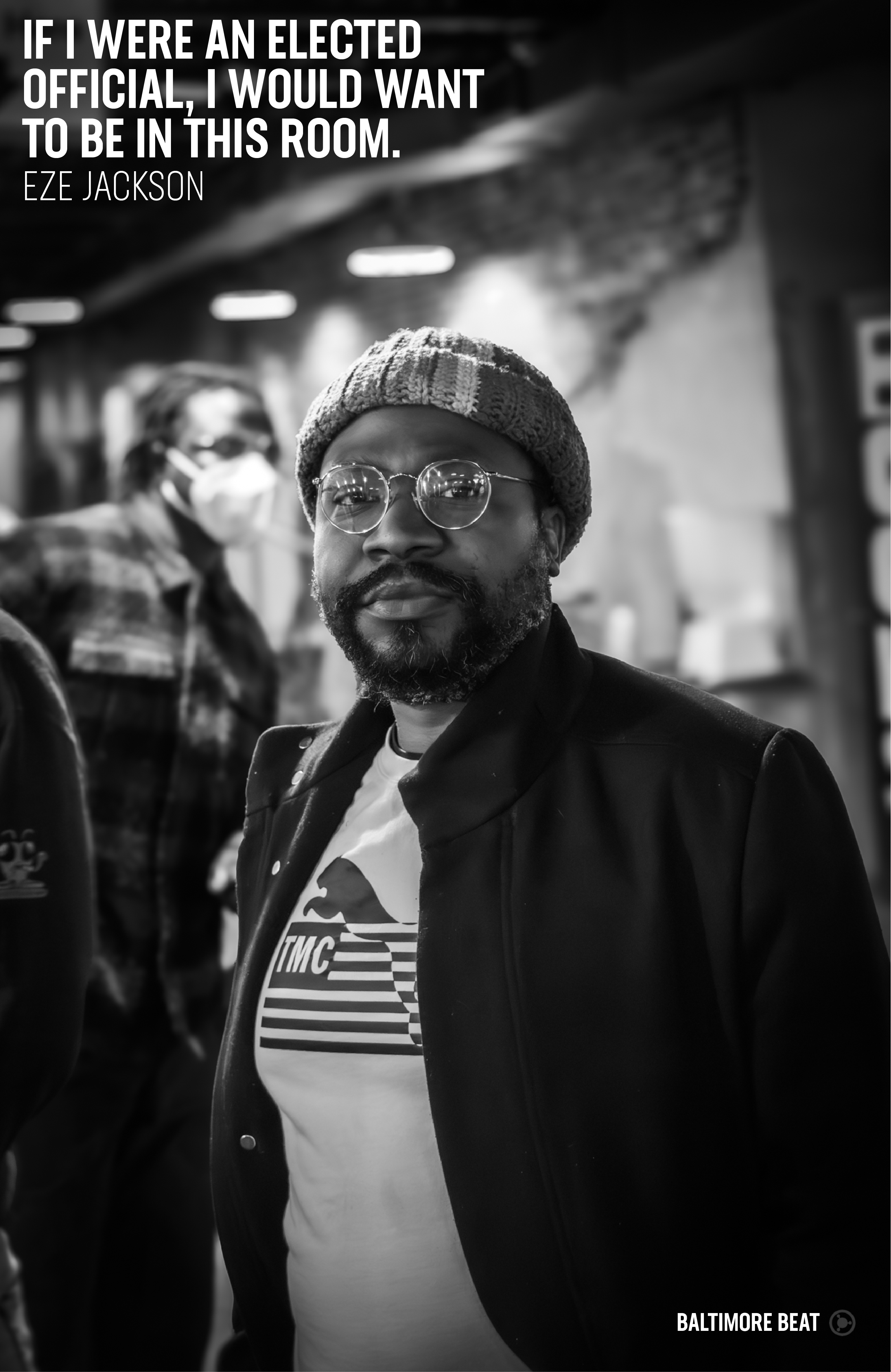
  • Eze Jackson – Musician, moderator, and one of the city’s strongest community voices

Each of them brought truth, vulnerability, and a fierce clarity to the conversation.

From Benjamin to “Binchibin”: An American Among the Naskapi

Originally published in French by Radio-Canada on March 31, 2025. Translated and shared here into English so more people can read it.

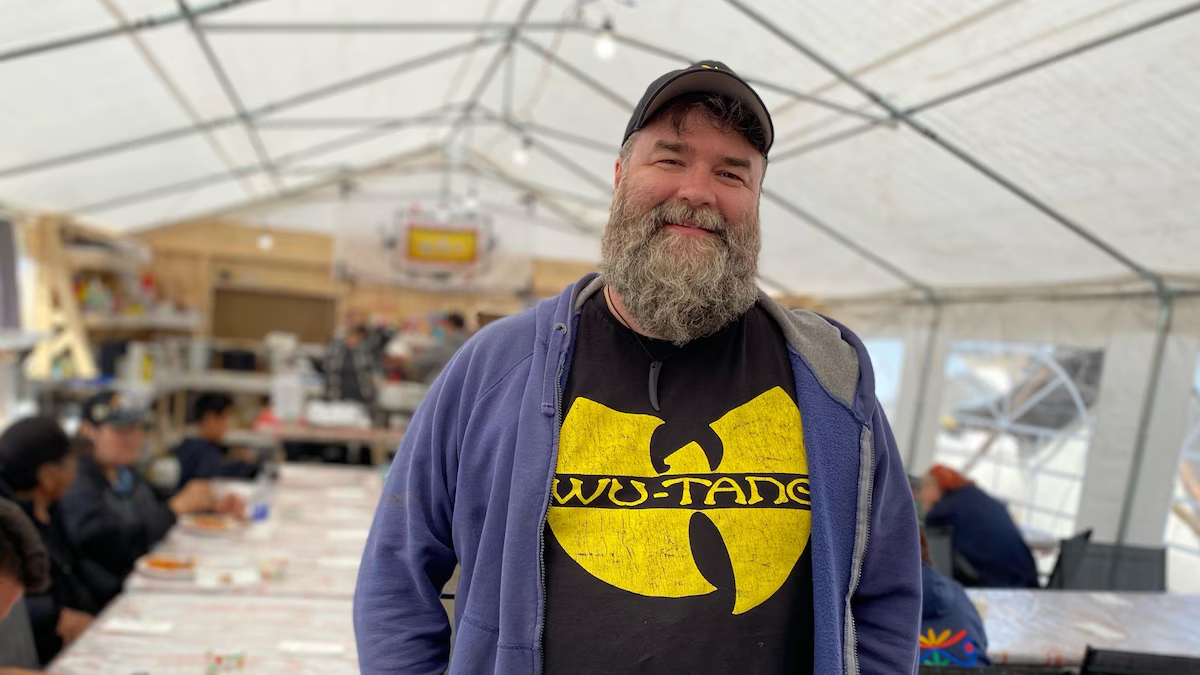
A smiling man with a large gray beard stands inside a large tented dining area. He’s wearing a black Wu-Tang Clan T-shirt with a yellow logo and a blue zip-up hoodie. The background features several people seated at long tables, suggesting a communal or casual meal setting.
Benjamin Jancewicz is an American and a proud speaker of the Naskapi language.
PHOTO: RADIO-CANADA / SHUSHAN BACON

If you’ve been following my work or journey for a while, you know how much Kawawachikamach means to me. This piece, written by journalist Shushan Bacon for Radio-Canada, captures a part of my story—how I came to speak the Naskapi language, why it matters so much to me, and what it feels like to belong deeply to a place that doesn’t show up on my passport. I’ve translated the article below so my English-speaking friends, supporters, and readers can read it too.


From Benjamin to “Binchibin”: An American Among the Naskapi
By Shushan Bacon | Radio-Canada Espaces Autochtones

Benjamin Jancewicz is one of those people you might come across in Kawawachikamach, the only Naskapi community in the world. Like the vast majority of its residents, he speaks Iyuw Iyimuun. And yet, he’s an American from Baltimore—not even a Canadian citizen. Though he comes from south of the border, it’s in Kawawachikamach where he feels most at home.

During the last trip to Schefferville by the Espaces Autochtones team to cover the 2024 Elders Gathering, this non-Indigenous photographer moved through the crowd, chatting with people in Iyuw Iyimuun (pronounced “ee-you-ai-mun”).

Despite his undeniably Caucasian features, he blends into the community as naturally as anyone. Everyone responds to him in Naskapi, the dominant language in this remote northern region.

People followed his directions in Iyuw Iyimuun as he photographed participants in the march commemorating the community’s fight against drugs and alcohol.

A large group of people stands outdoors under a sunny blue sky, wearing matching red sweatshirts that say “No Drugs, No Alcohol, No Violence.” The group includes children, elders, and adults, many wearing traditional ribbon skirts. They hold signs promoting a substance-free and violence-free community, standing united on a gravel road surrounded by trees.
Group photography during the drug and alcohol march at the 2024 Seniors Gathering.
PHOTO: BENJAMIN JANCEWICZ

Language Learning as a Responsibility

Benjamin Jancewicz grew up in the community of Kawawachikamach. His father, Bill Jancewicz, was a translator hired by the Band Council in the 1980s to help write a Naskapi language dictionary. In doing so, he also worked on translating the Bible.

Young Benjamin, whom the elders affectionately call “Binchibin,” was four years old when he arrived among the Naskapi. When his father visited elders daily to study and learn the Naskapi language, “I’d go with him,” Benjamin says.

David and Susan Swappie were among the elders his father frequently consulted. “Susan Swappie is my noohoom [my grandmother],” Benjamin explains. She often made him Naskapi hats, and despite her memory issues, she still remembers him.

A man with a full beard and green graphic t-shirt sits on a dark couch, gently holding hands with an elderly woman beside him. She wears a black floral blouse, green headscarf, and holds a folder on her lap. Both look toward the camera with calm expressions, seated in a cozy indoor space.
Benjamin Jancewicz, Pentshamen, and his noohoom, Susan Swappie. She holds her Bible in the Naskapi language that Pentshamen’s father, Bill Jancewicz, translated. The wear of the cover shows his affection for his book.
PHOTO: BENJAMIN JANCEWICZ

“Every time I visit her, she always holds my hand and doesn’t let go. To me, she’s like my grandmother. She is my grandmother. She treats me like I’m her grandson.”

Benjamin completed his entire schooling in Kawawachikamach. Learning the language came naturally, but today he considers it a point of pride—and even a duty—to keep the language alive by speaking it daily.

“For me, it’s the responsibility of white people to help—because we’re the ones who created this mess.”

According to the latest census conducted in 2021, only 530 people still speak Naskapi in Canada—and therefore in the world—a 29.3% drop since the previous 2016 census.

Close-up of two hands clasped together—one visibly older and more wrinkled, the other younger and smoother—resting on a gray knit blanket. The image captures a tender, intergenerational moment of connection and support.
Susan Swappie tient toujours les mains de son petit-fils, Pentshamen, quand il lui rend visite, 
PHOTO : BENJAMIN JANCEWICZ

Caught in Immigration Limbo… Because of Language

At the moment, Pentshamen is back in Baltimore. As an American citizen, he’s required to return periodically. He’s been trying to obtain Canadian citizenship for three years, even though the rest of his family already holds it.

Back in the late 1990s, when the family applied together, “the government took seven years to process the paperwork. By then, I was already in the U.S. for university and had turned 18. They told my dad, ‘You have to remove your son from the application. He’s an adult, he’s 18.’”

Benjamin had to apply on his own. In the meantime, he finished his university studies in the U.S., got married, and had two children—who are now in university themselves. Since then, he’s divorced. But his goal was never to stay in the United States.

“I’m stuck here,” he says.

Ironically, the very thing preventing him from obtaining Canadian citizenship now is a language issue.

“The hardest part of the citizenship process for me is the French test. My French isn’t perfect. I have to pass a really solid French test to get citizenship. I told them, ‘I speak Naskapi and a bit of Innu,’ but they said that doesn’t count. Only French does.”

Every three or four months, Pentshamen returns to Kawawachikamach for about three weeks. He’s worked for the Naskapi Band Council for several years.

“I handle all their communications—website, Facebook, and I also design posters. They bring me in for special events like the Elders Gathering to take photos and videos to inform people locally and in neighboring communities who took part.”

Regardless of what his documents or immigration authorities may say:

“Kawawachikamach is my home,” he says without hesitation. “I love Kawawa. It’s home, and [the Naskapi people], they’re my people.”


Thanks again to Radio-Canada and journalist Shushan Bacon for taking the time to listen and share my story. If you’d like to learn more about the Naskapi language or community, or follow along with my work up north, feel free to subscribe or check out my latest journal entries.

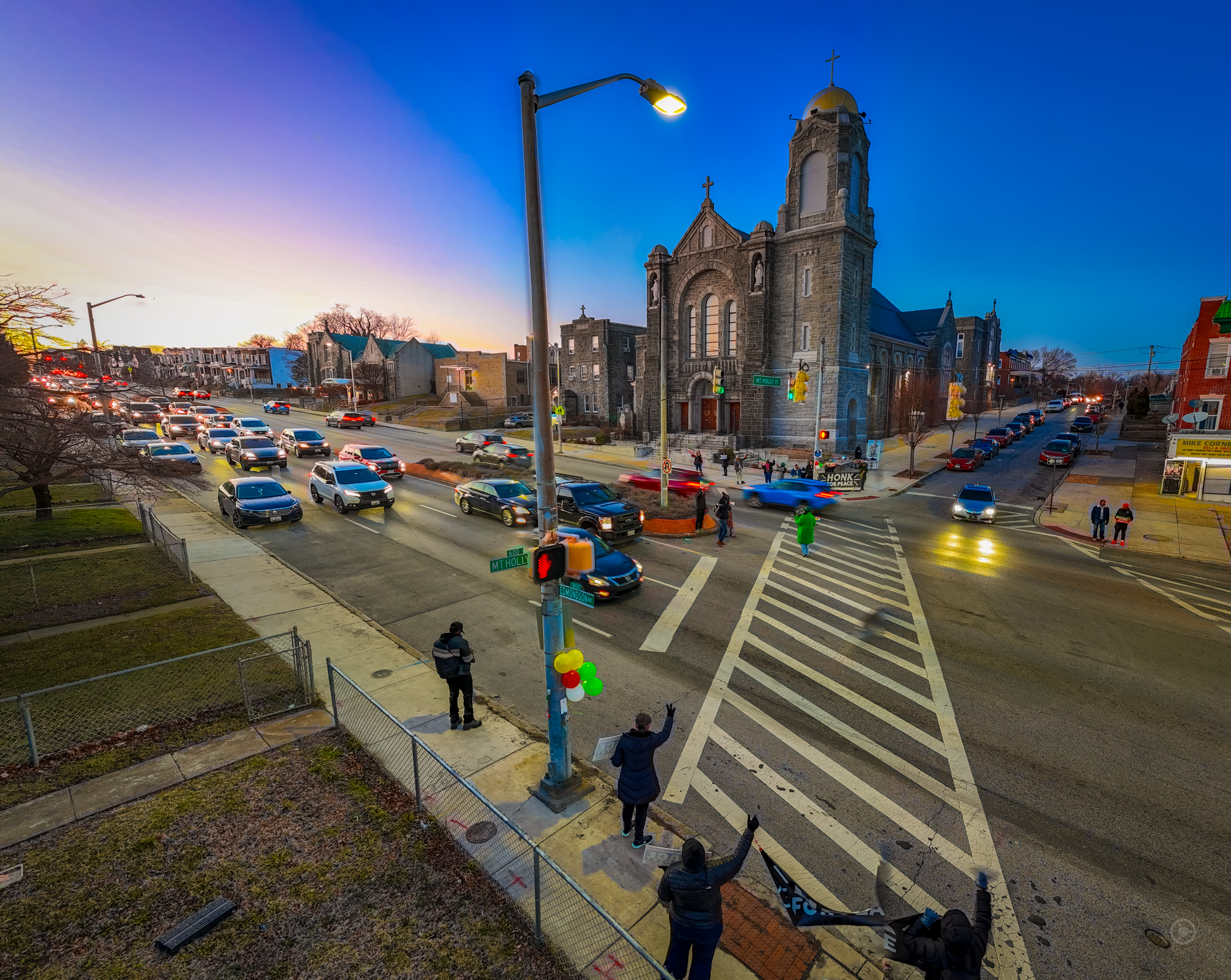
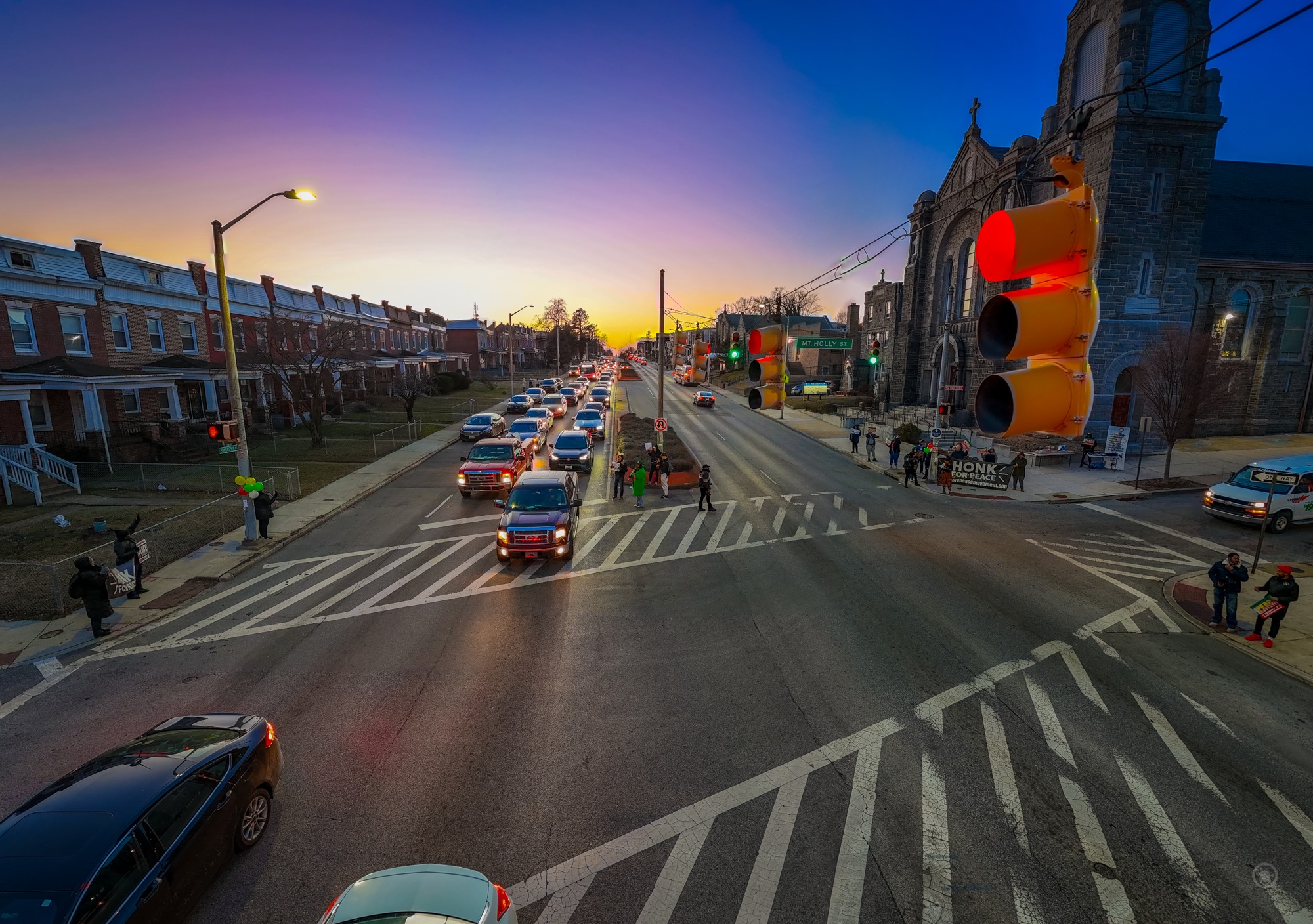
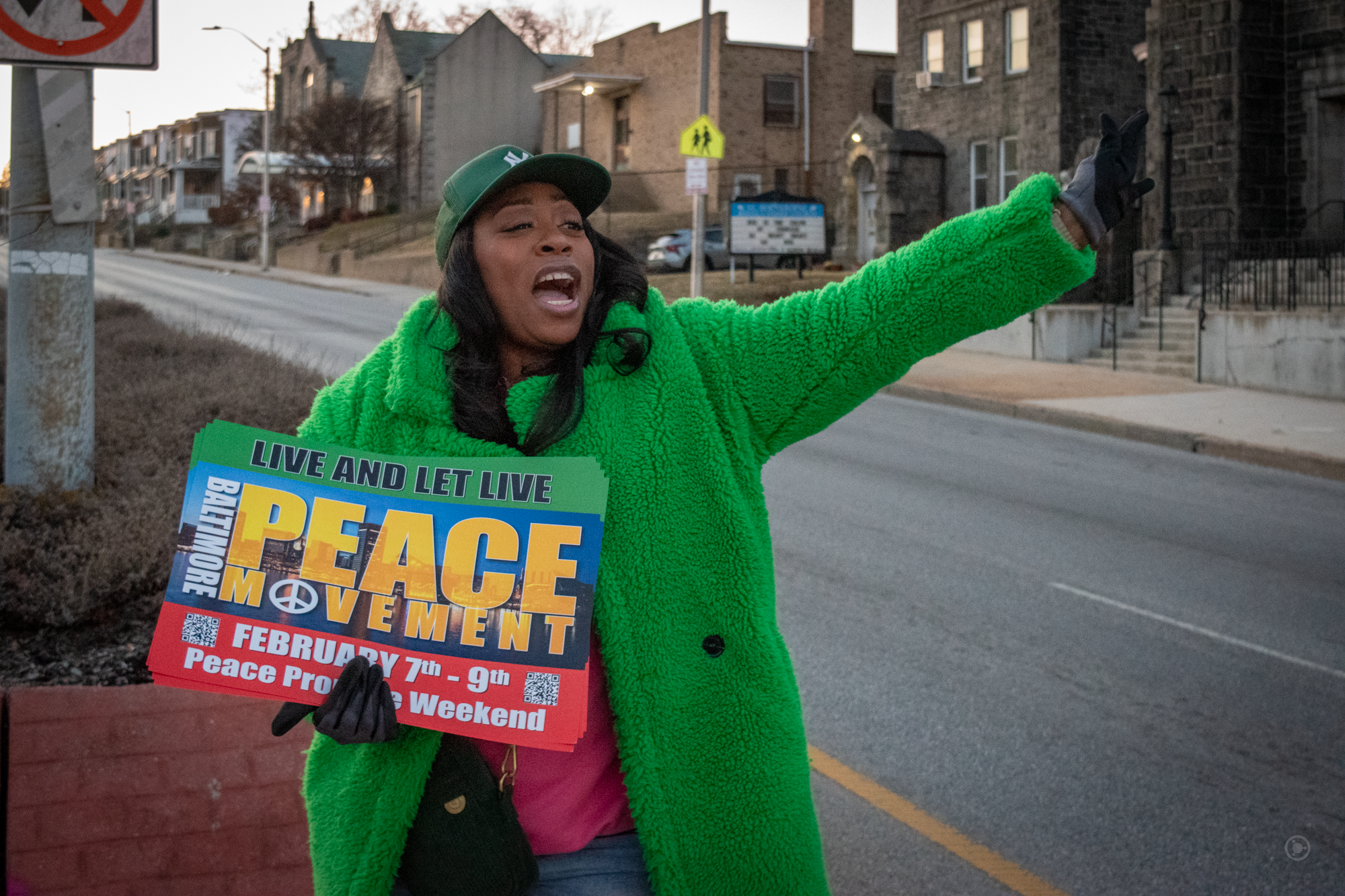
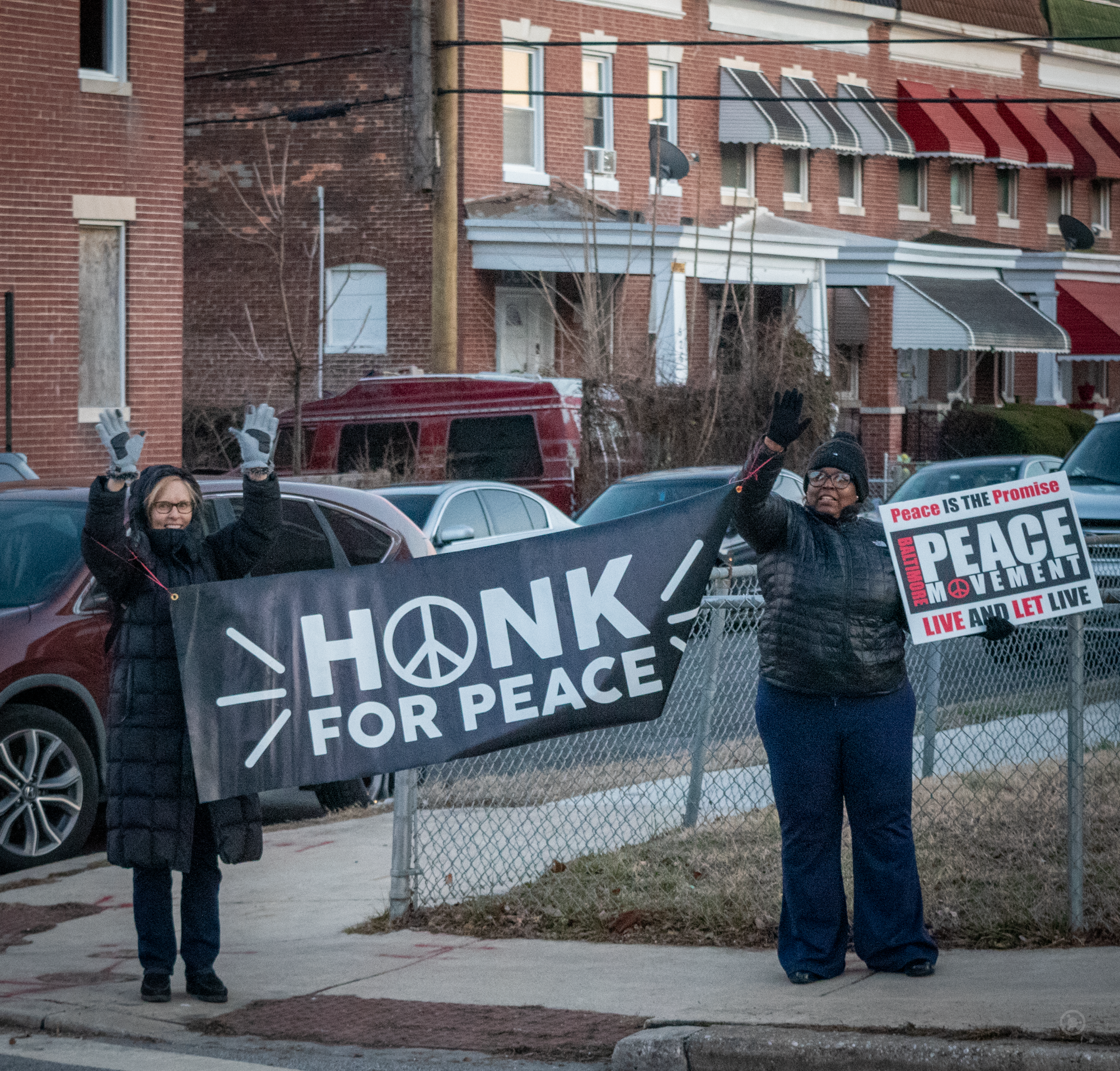
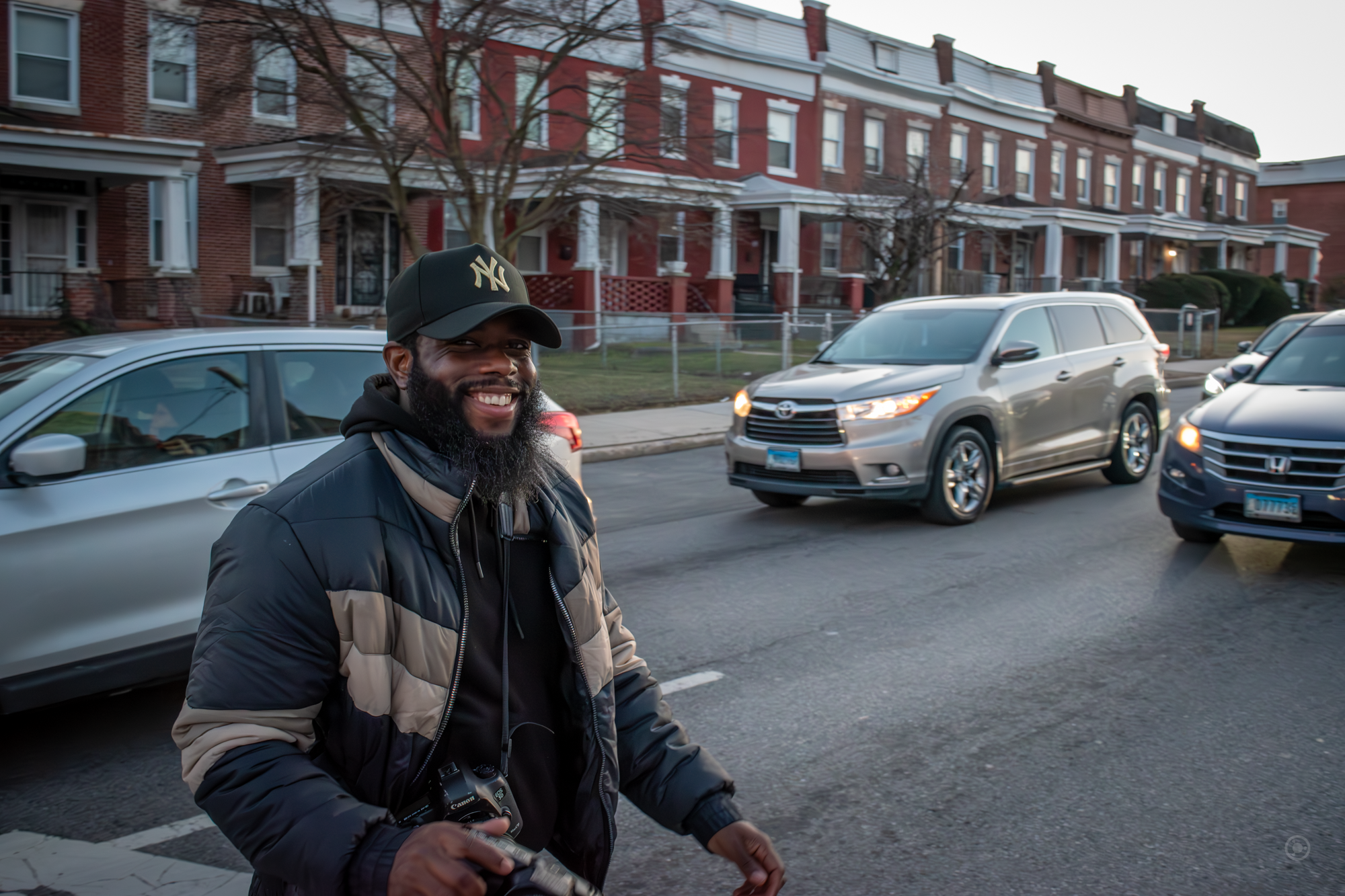
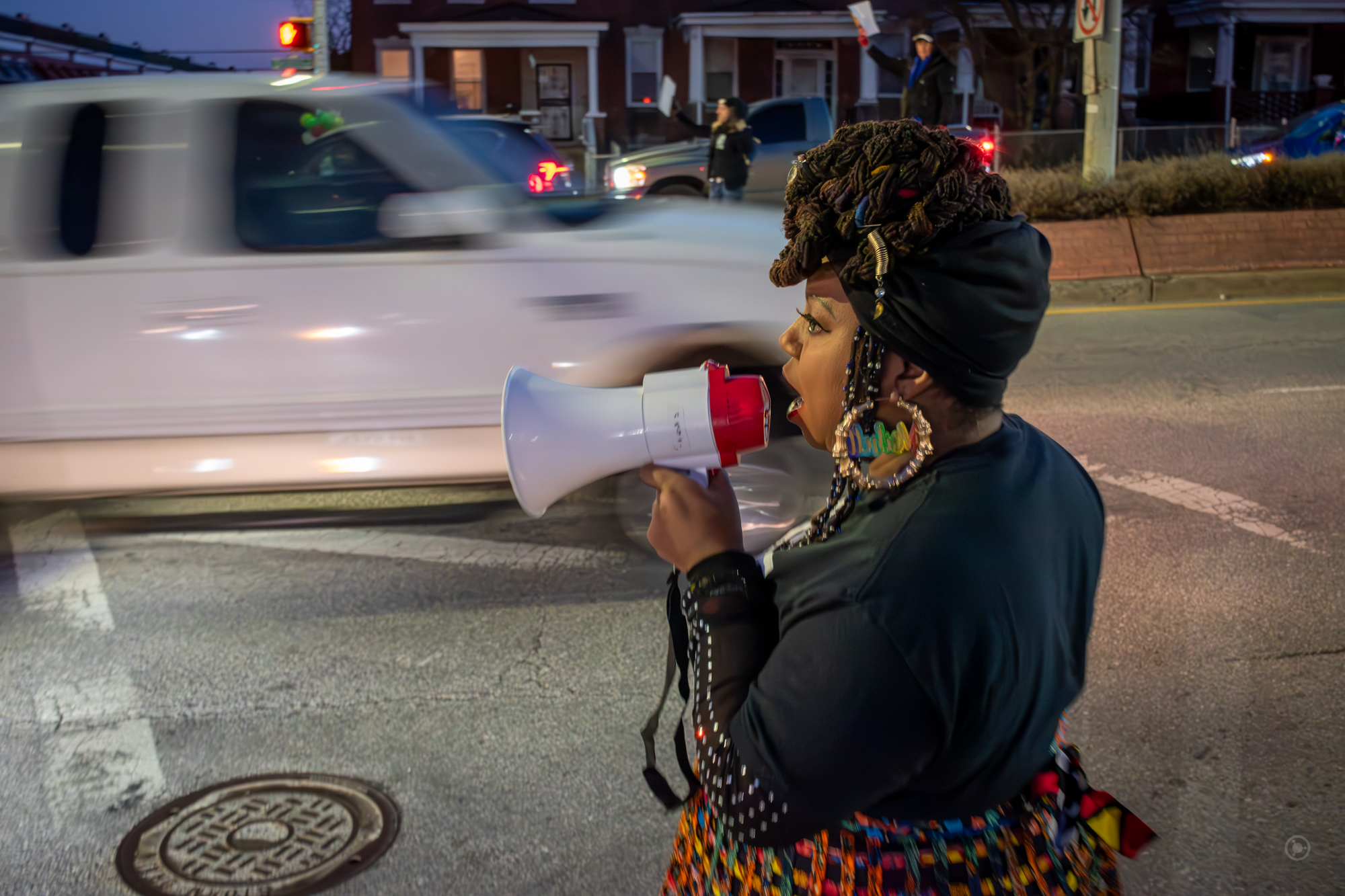
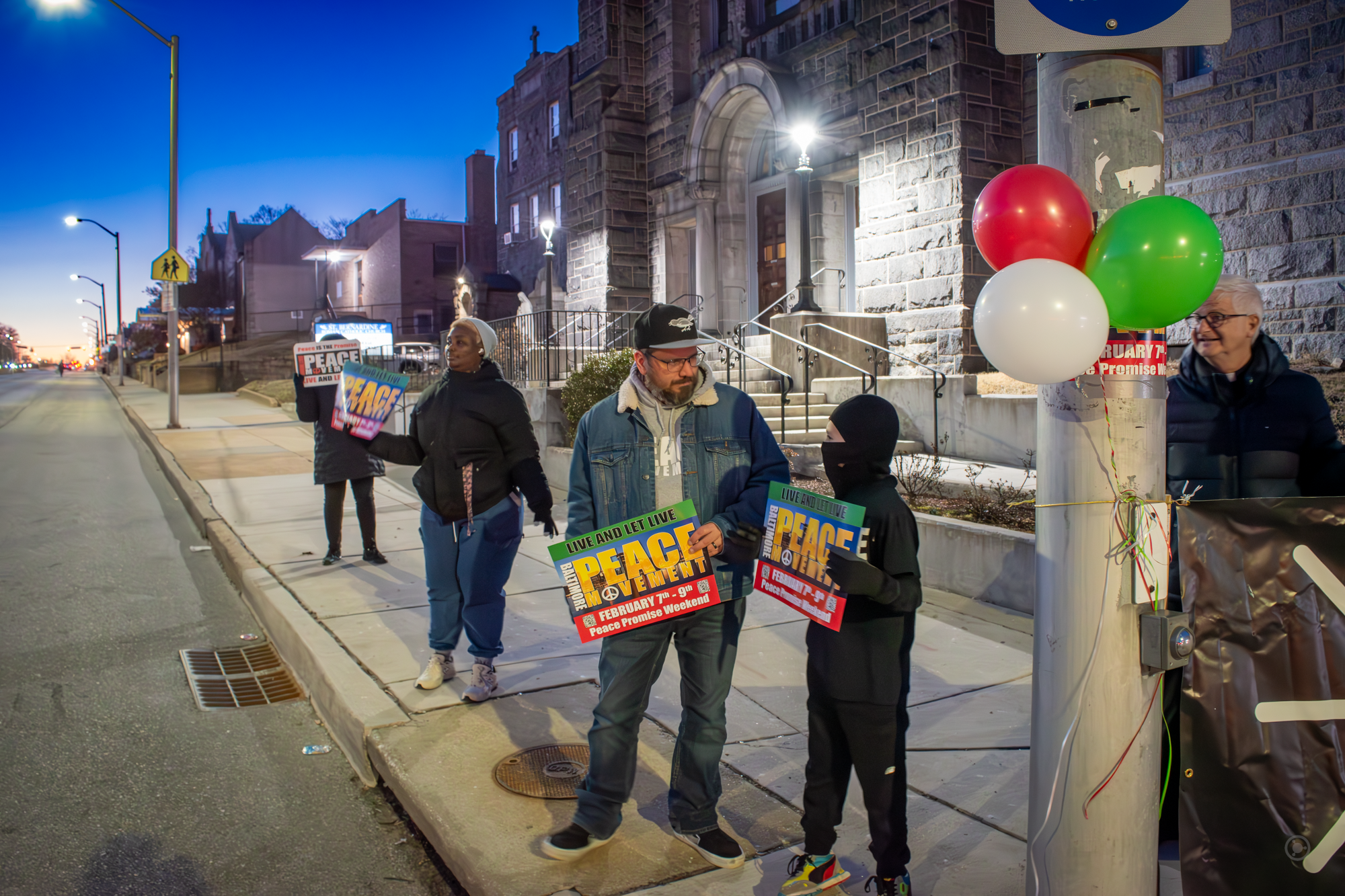
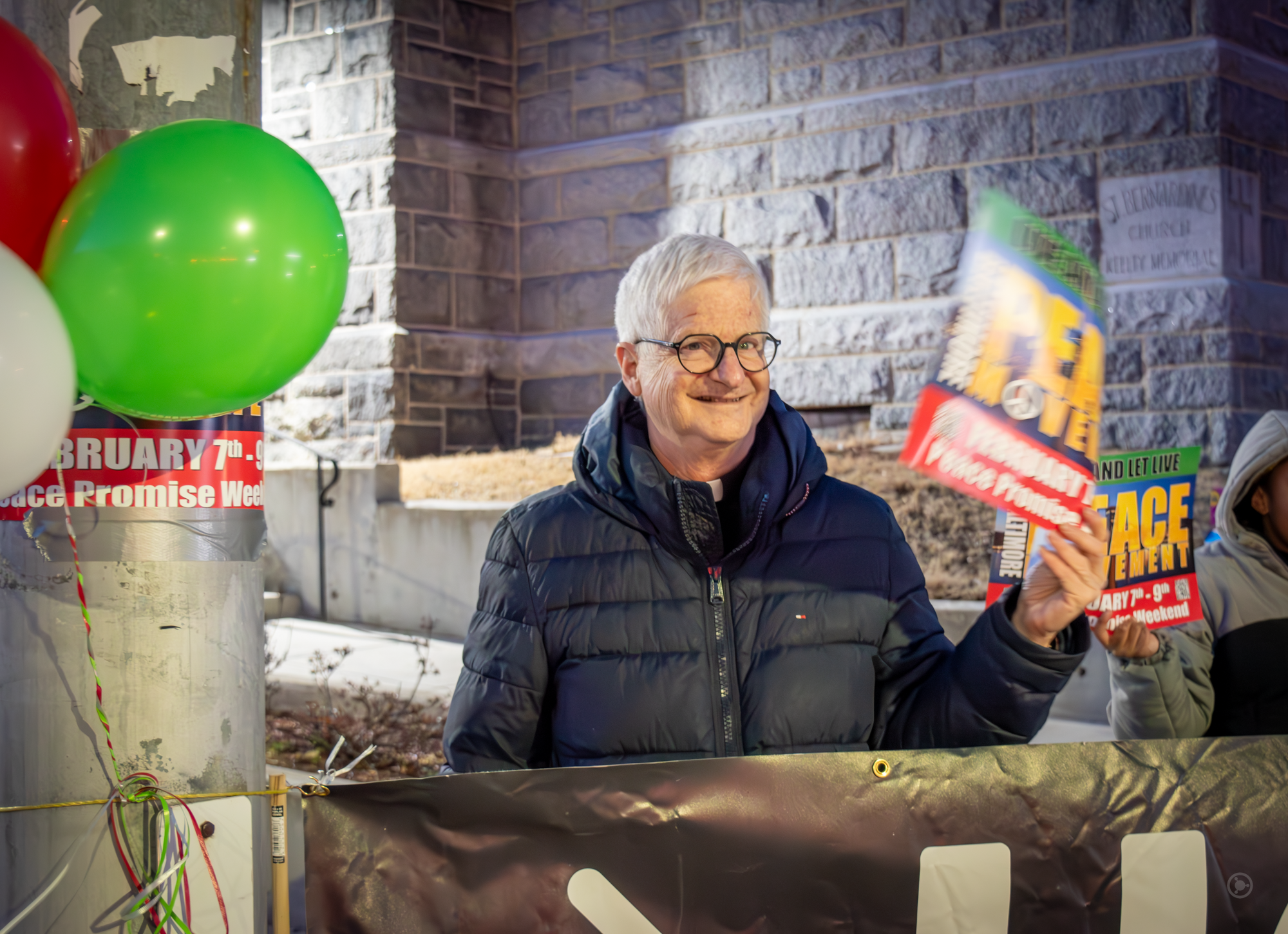
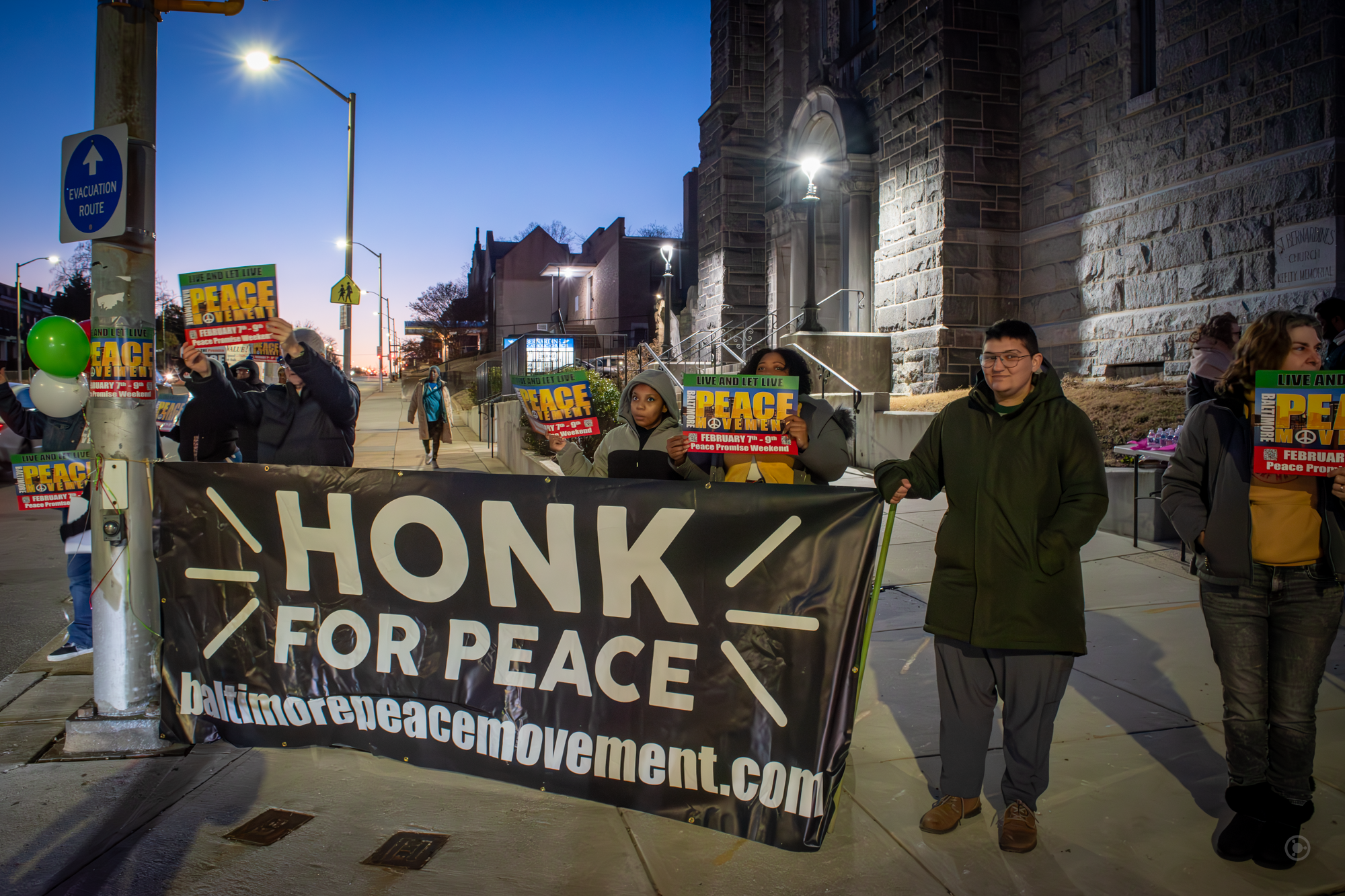
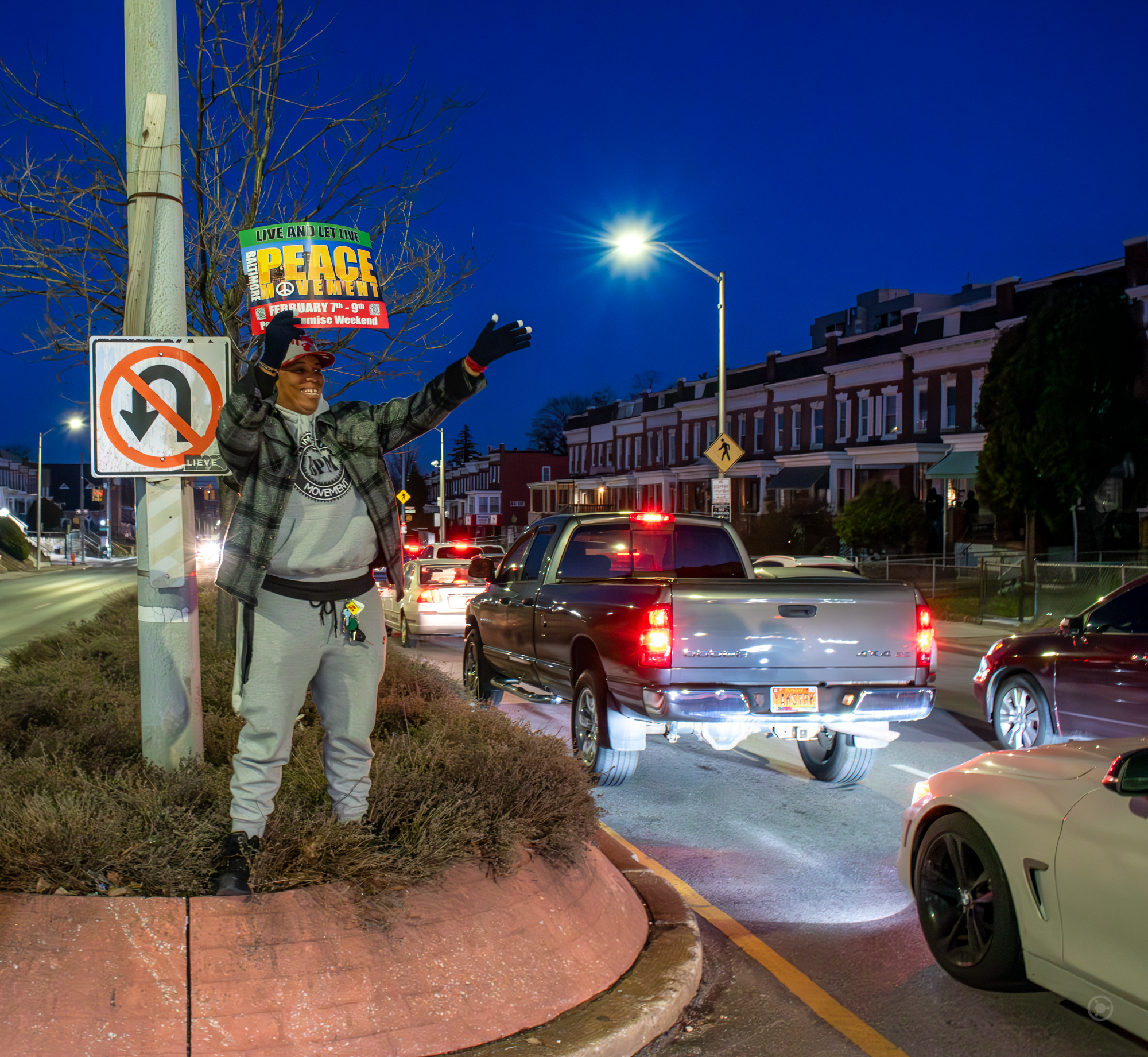
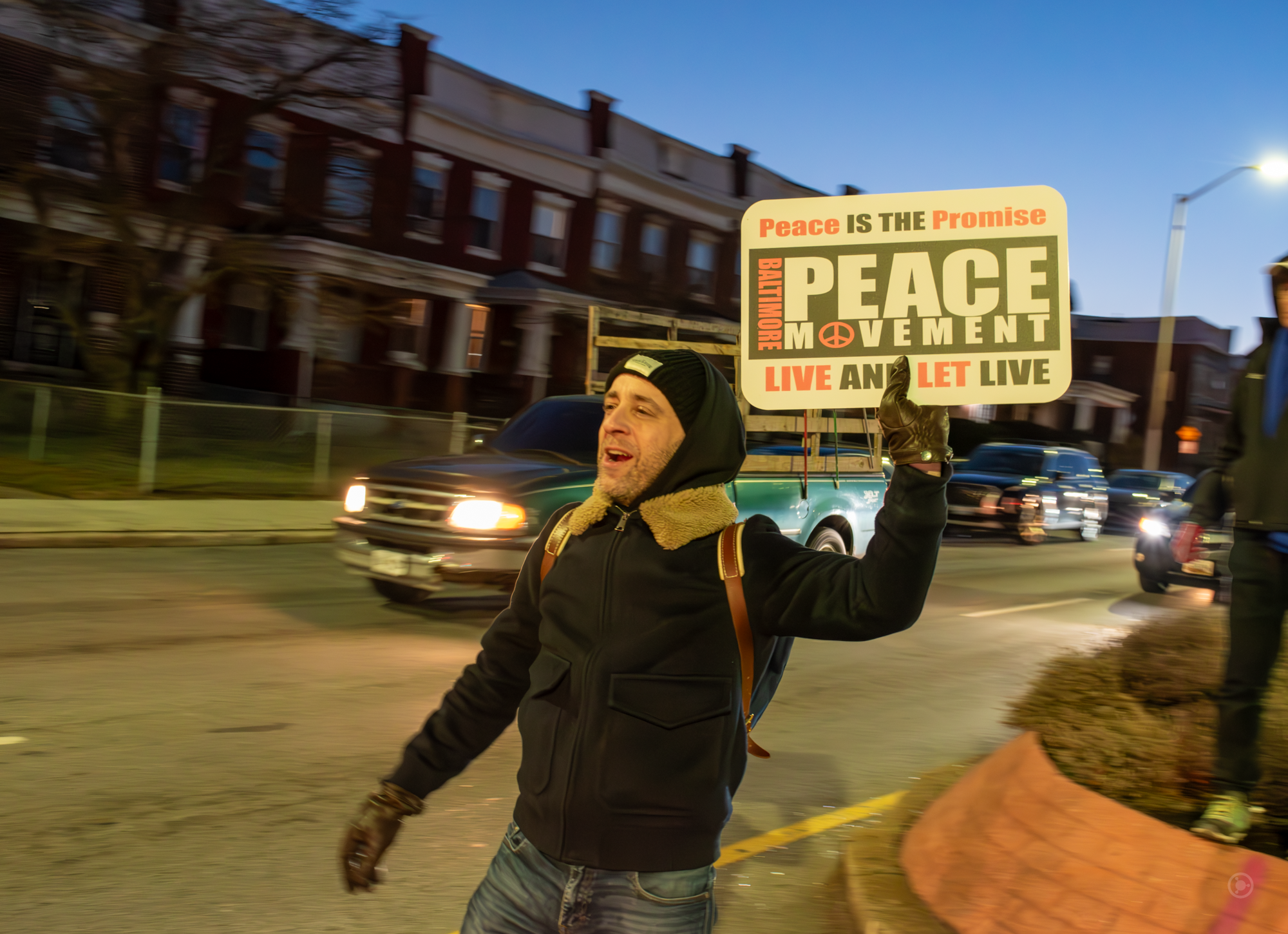
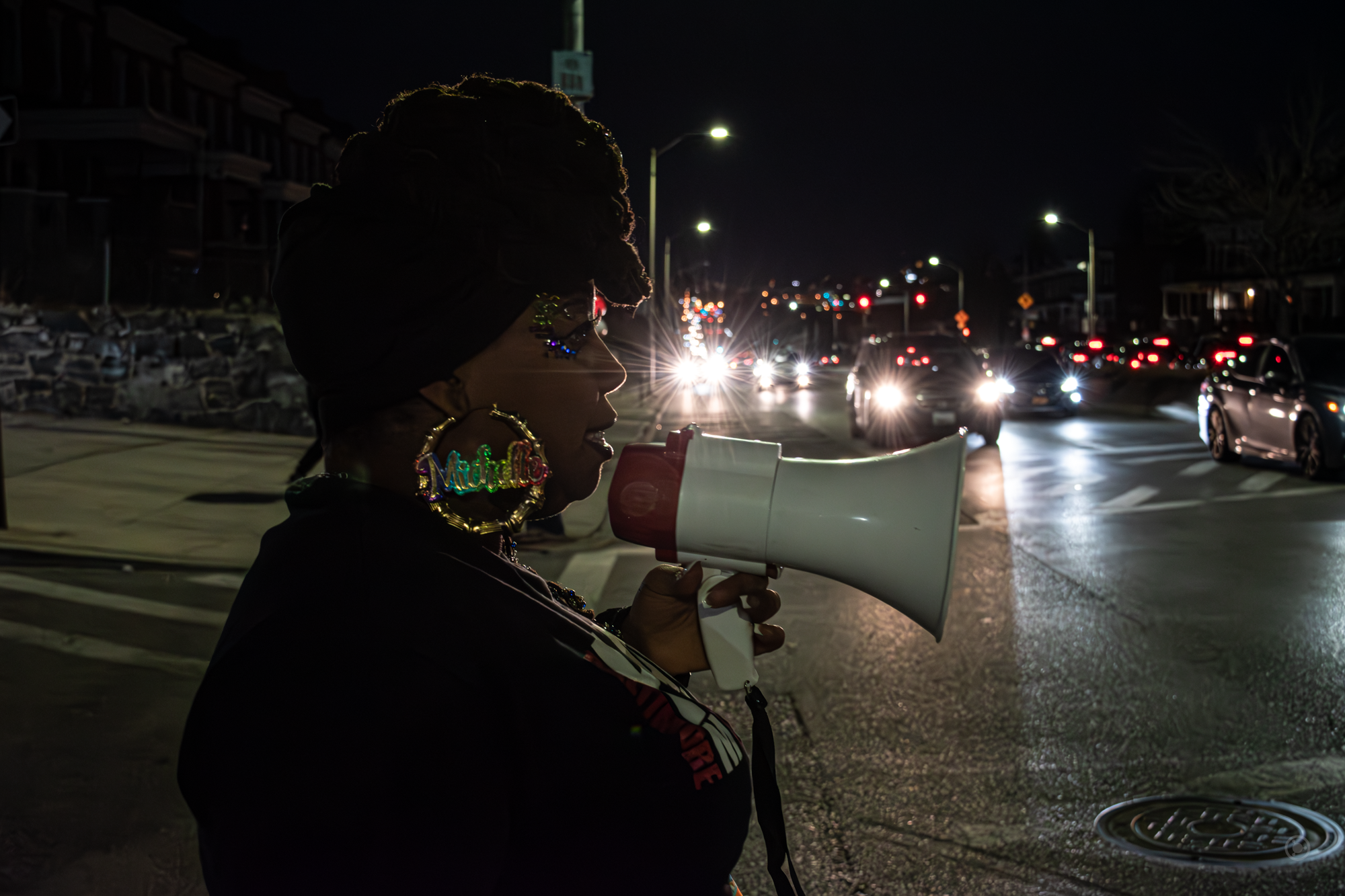
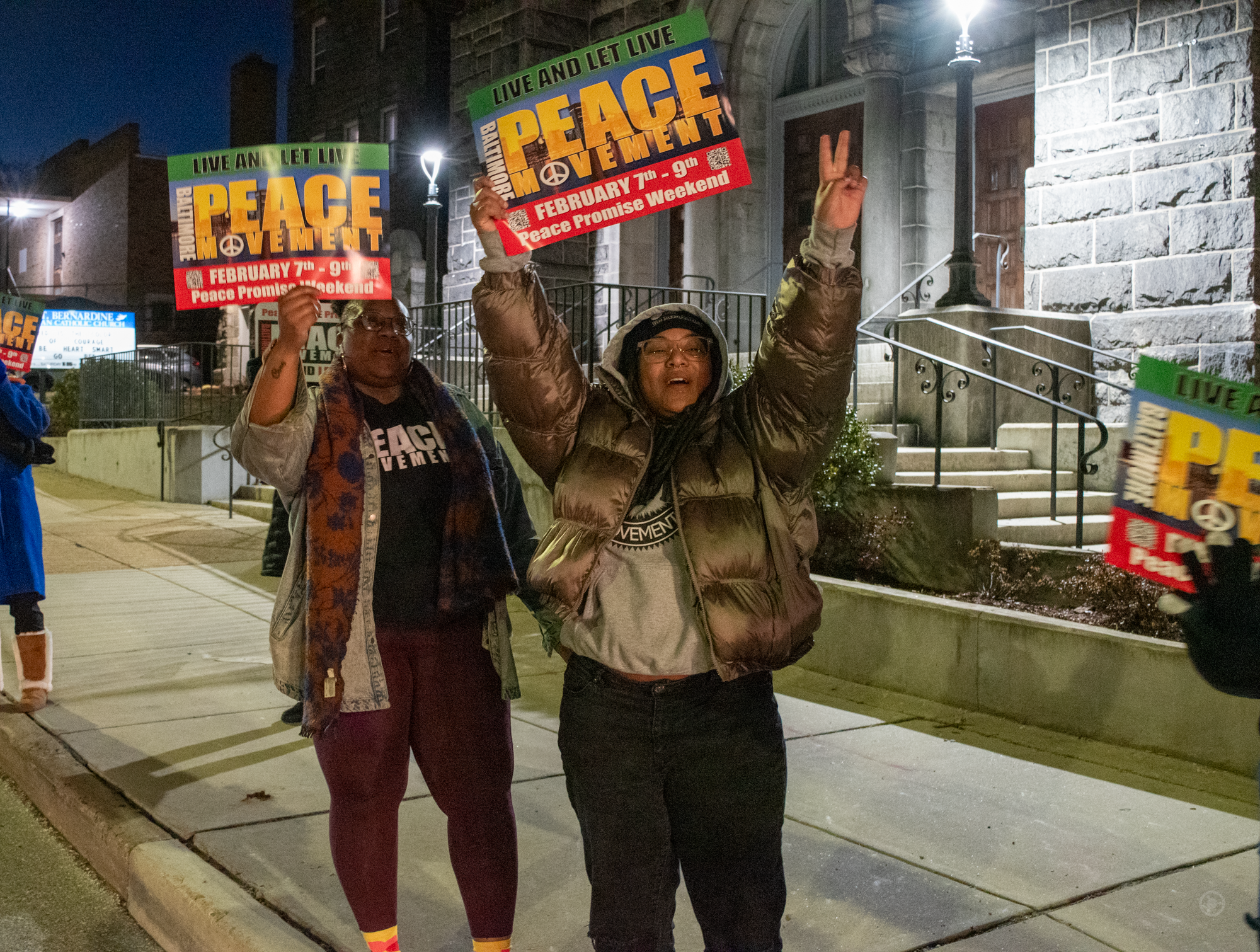
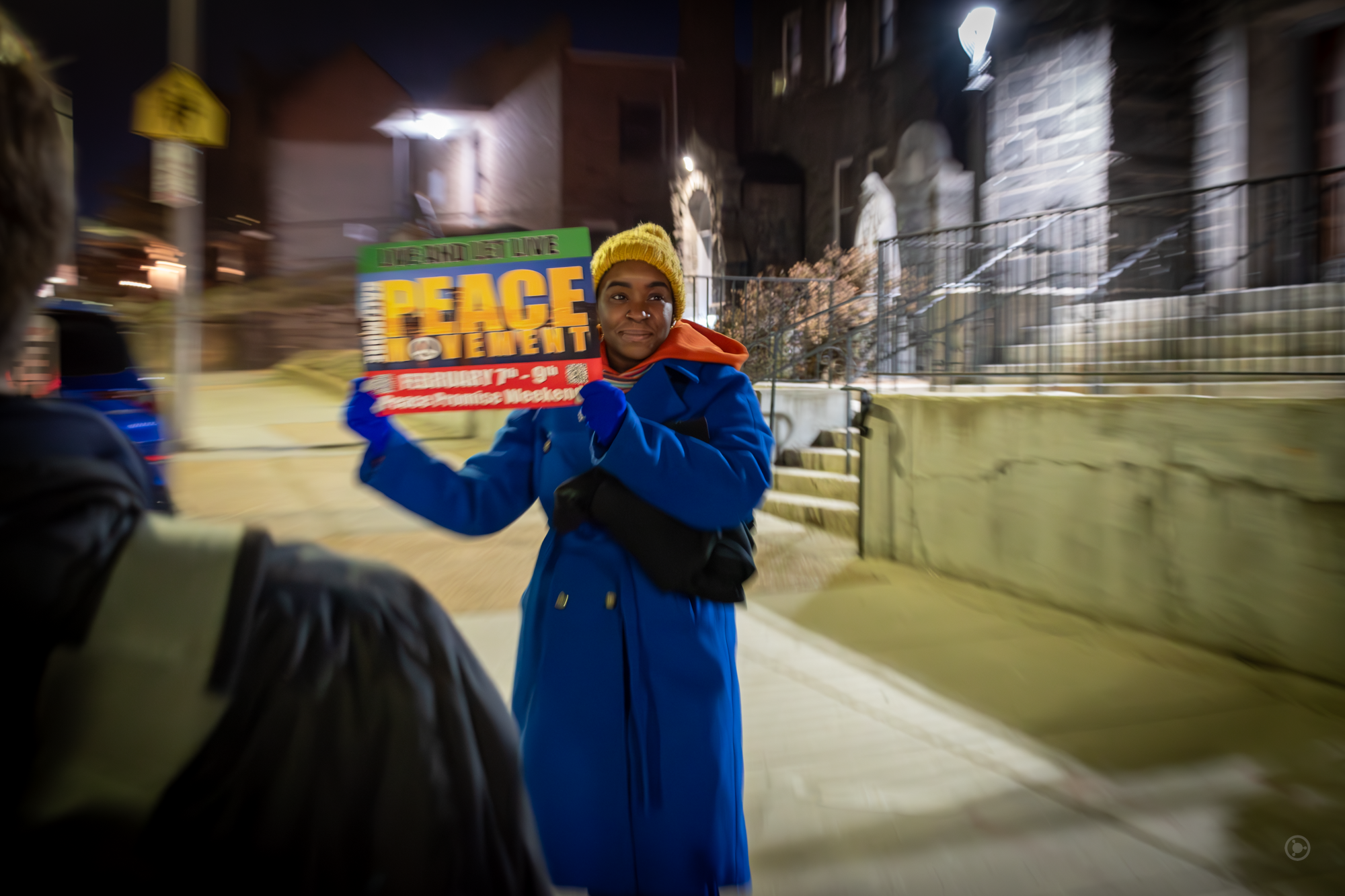
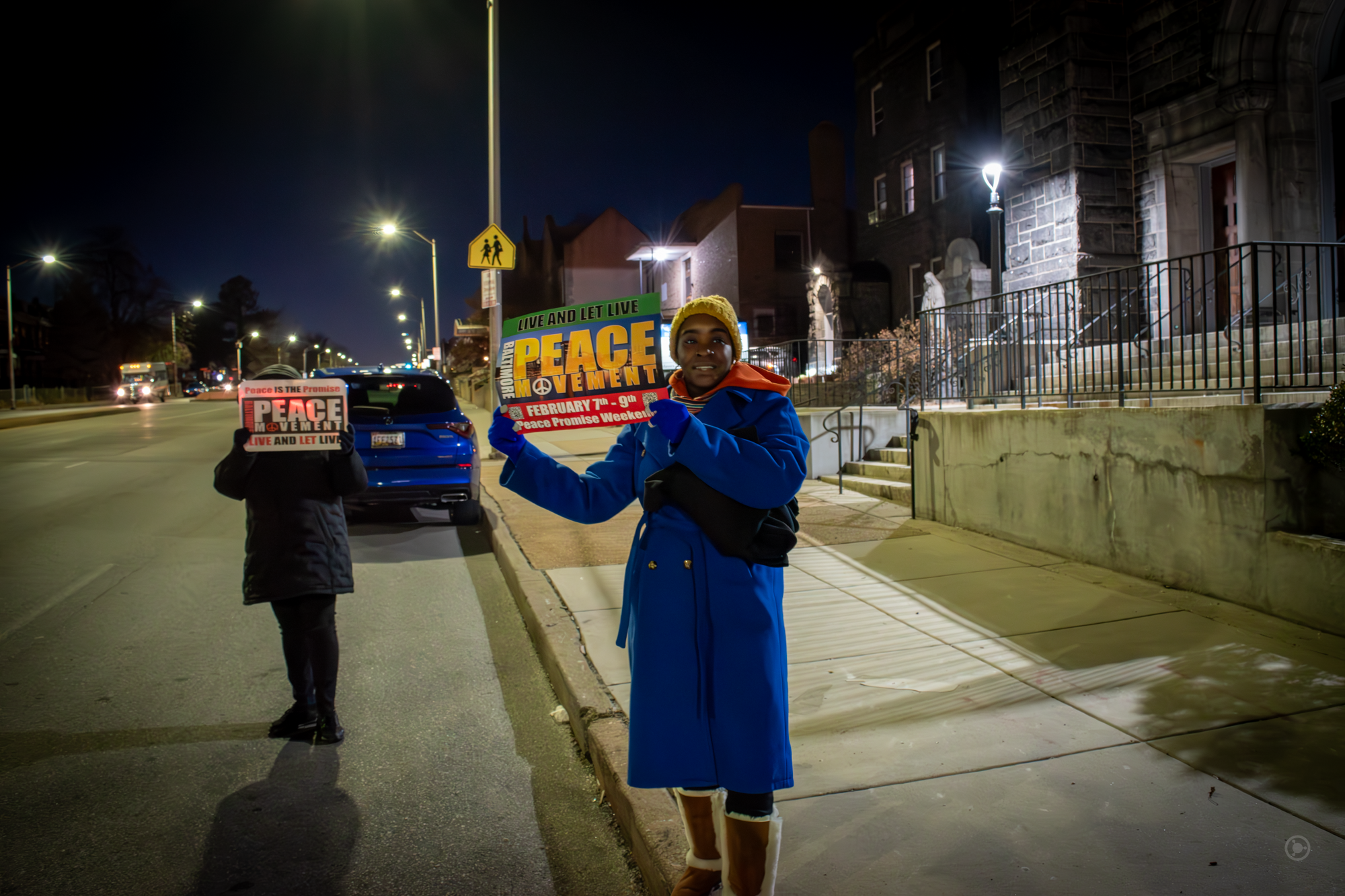
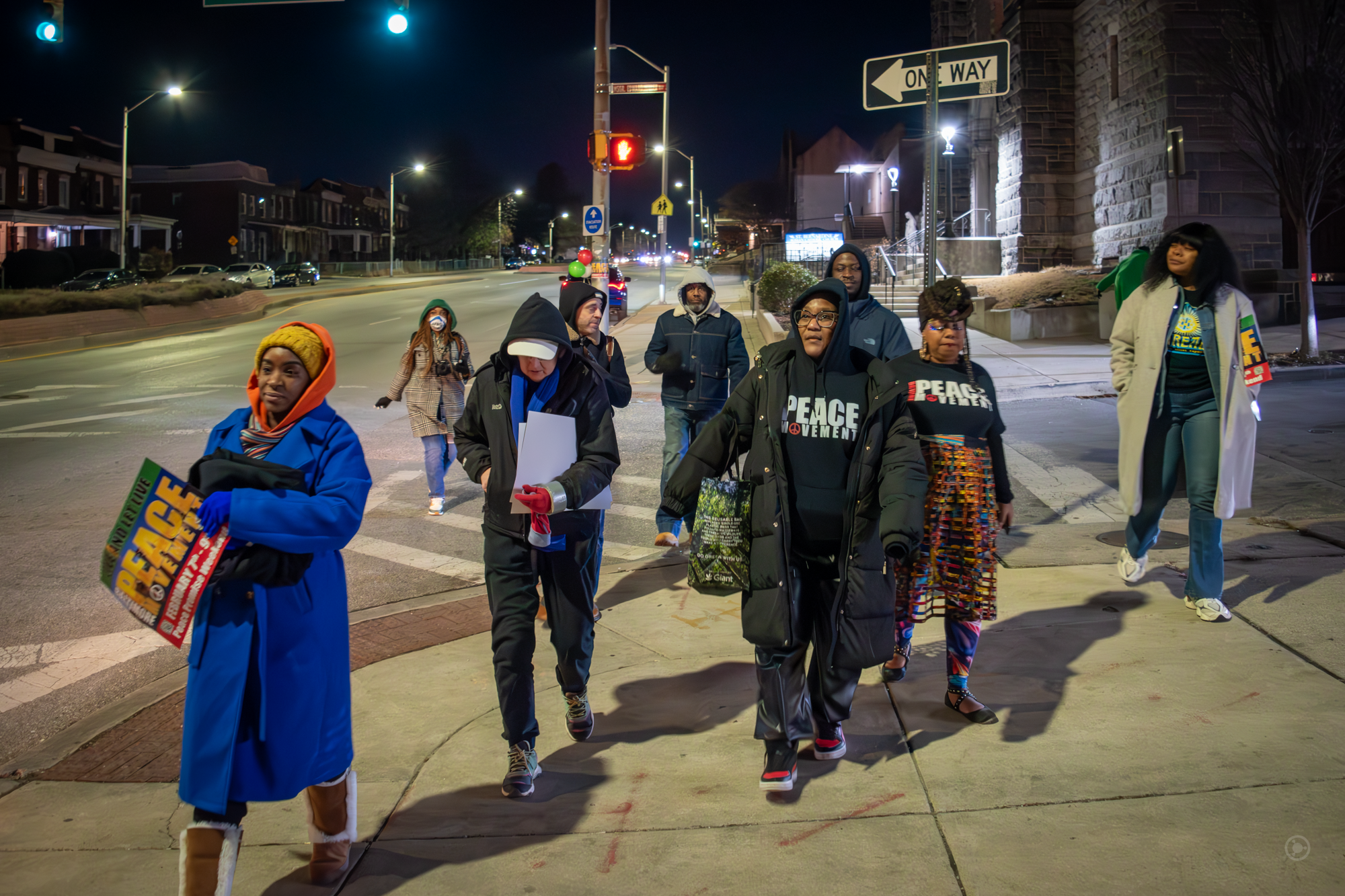
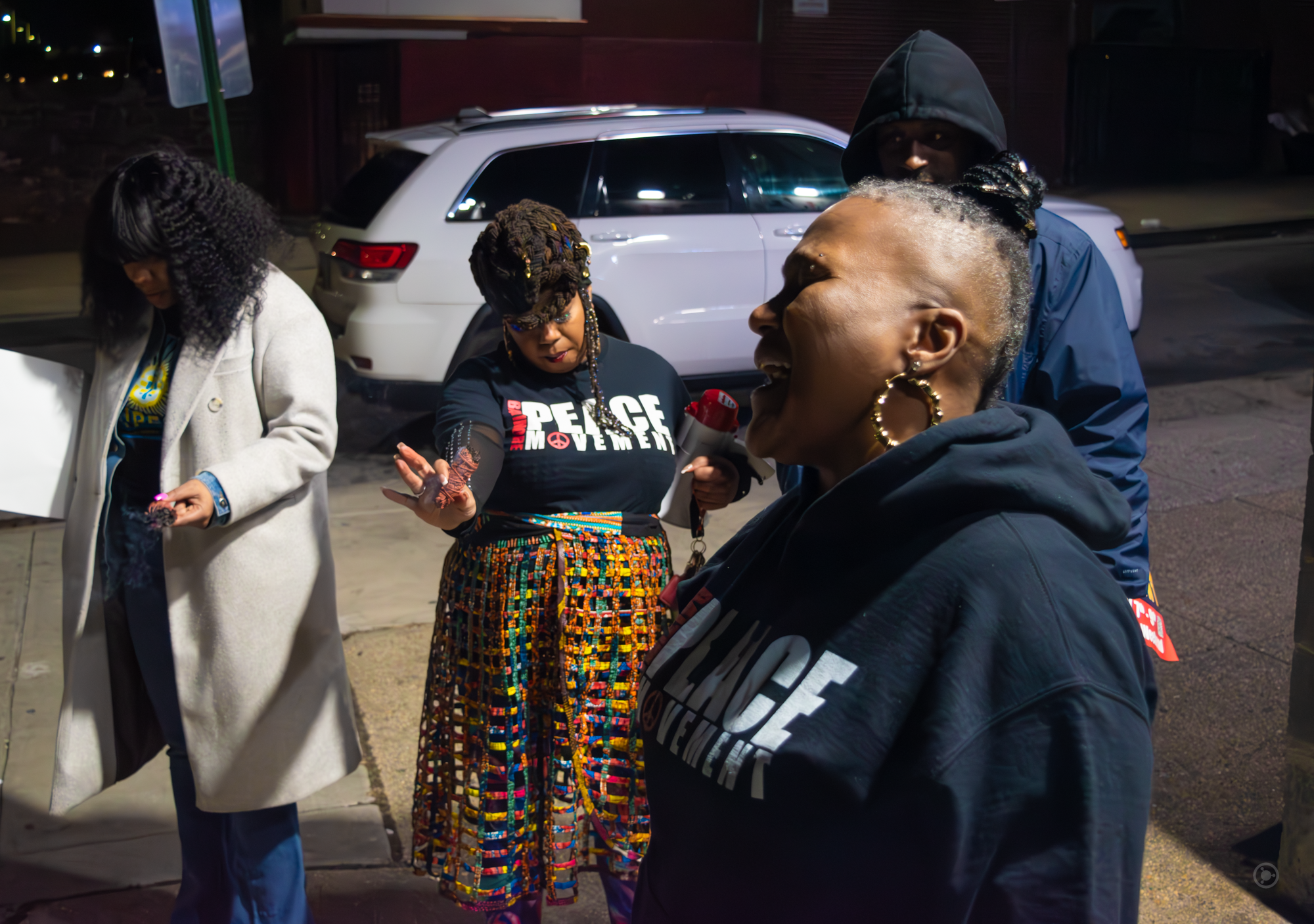
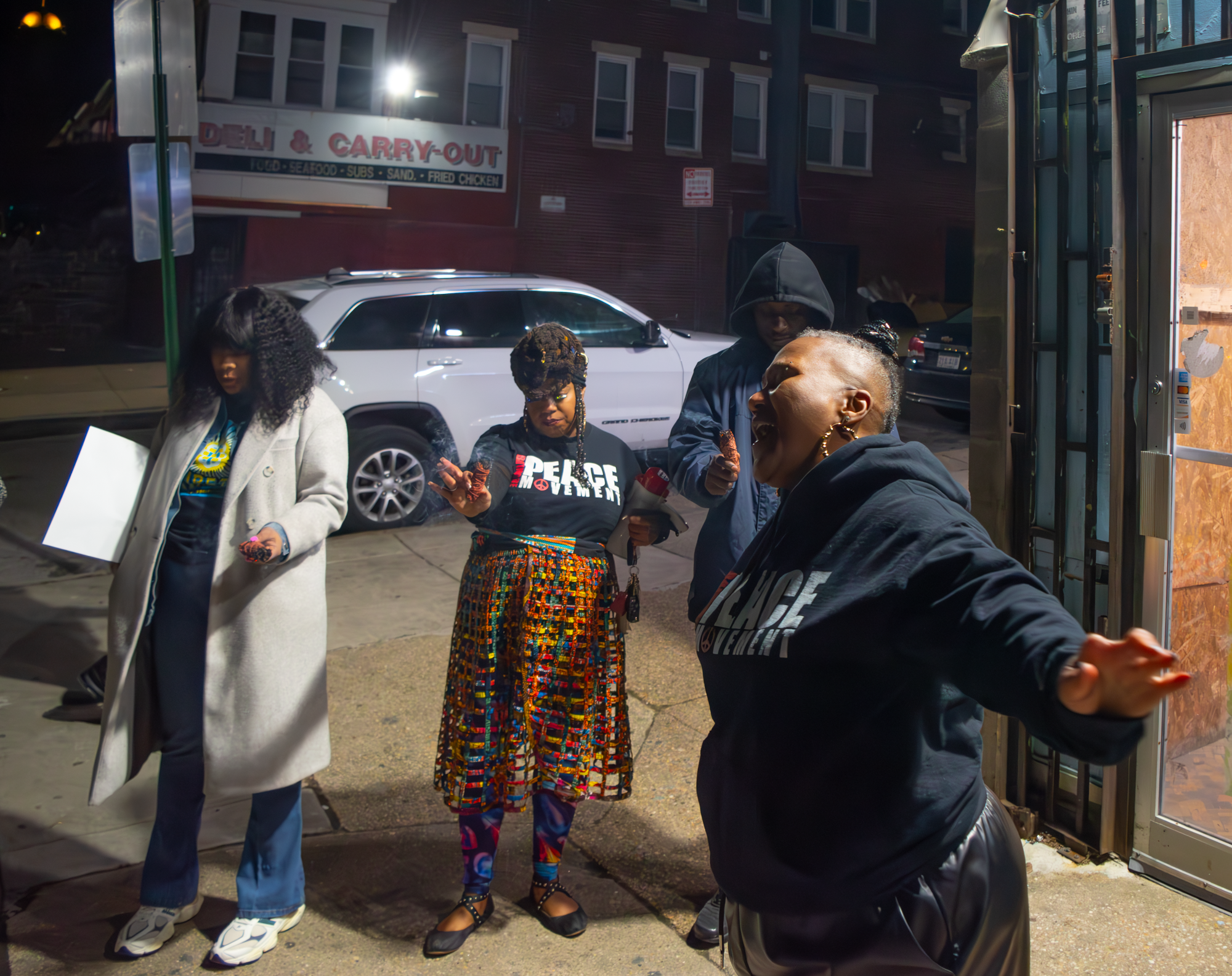
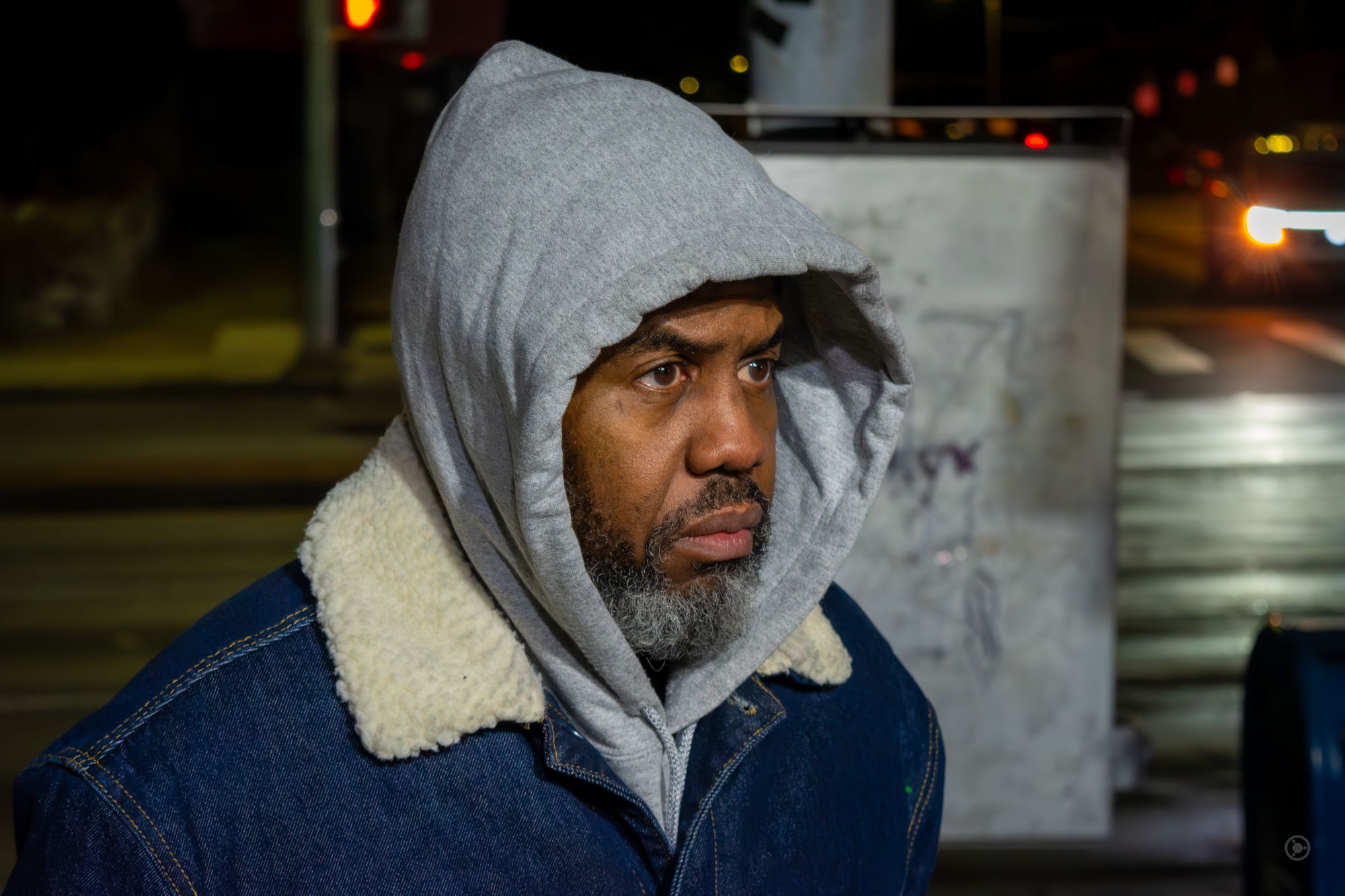
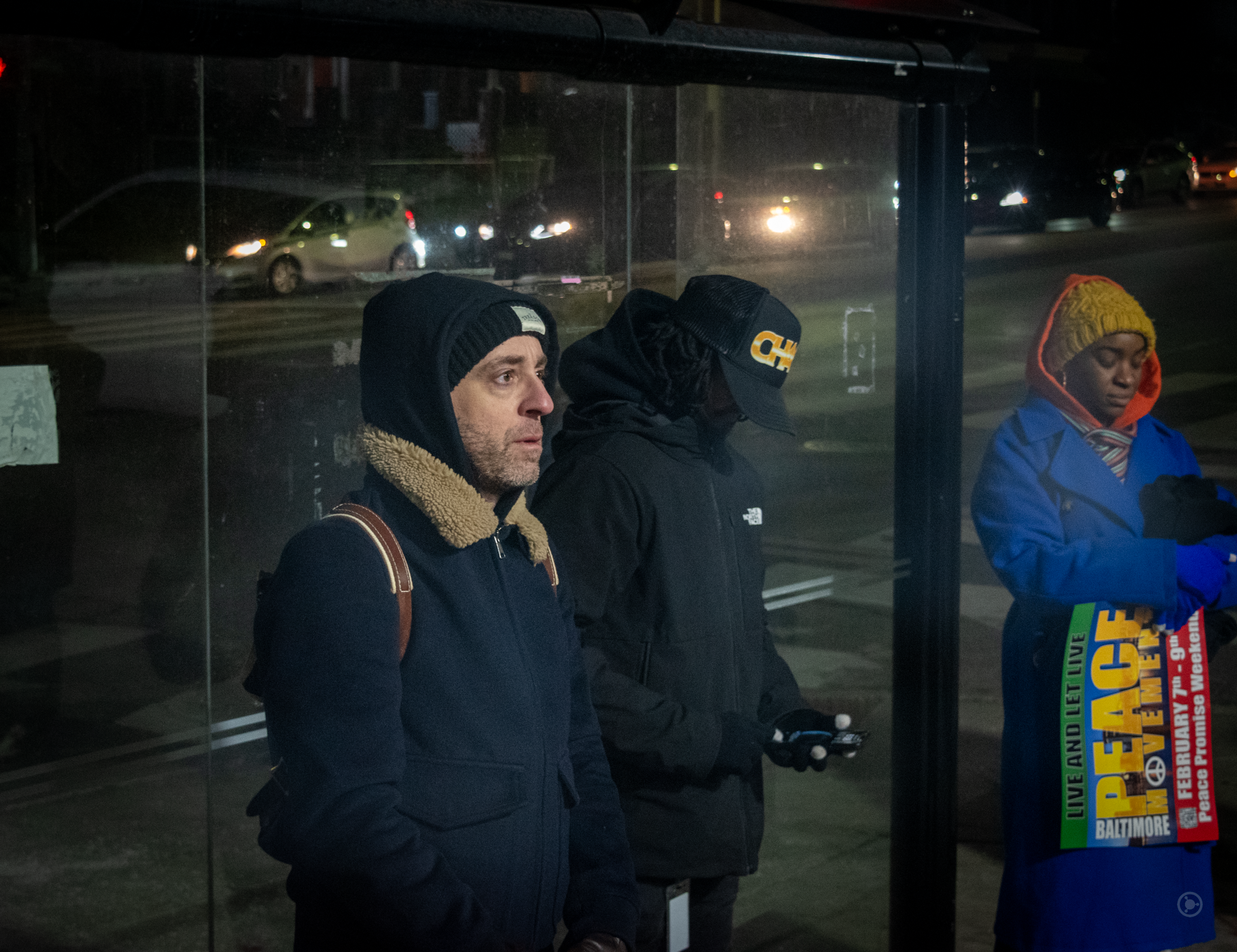
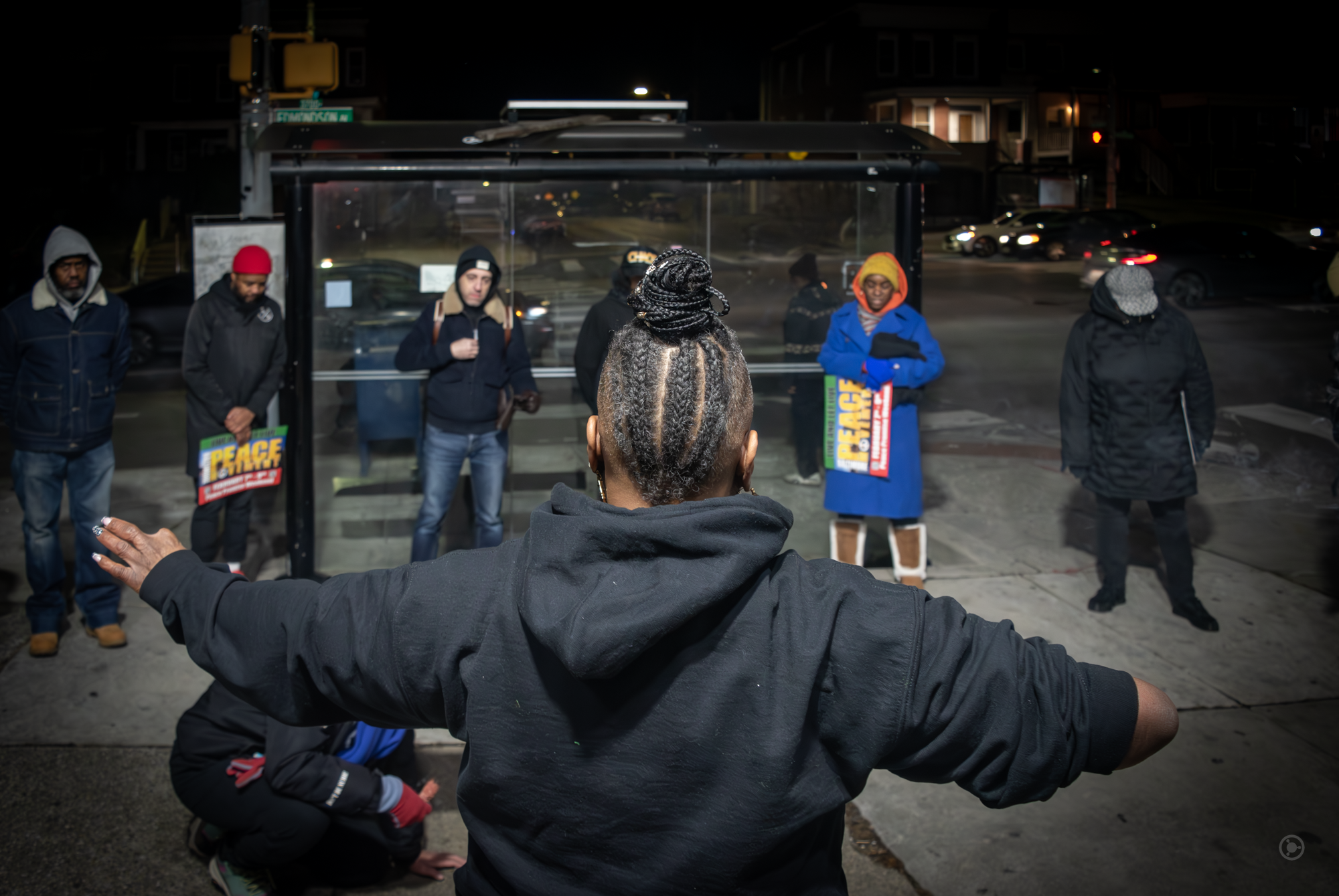
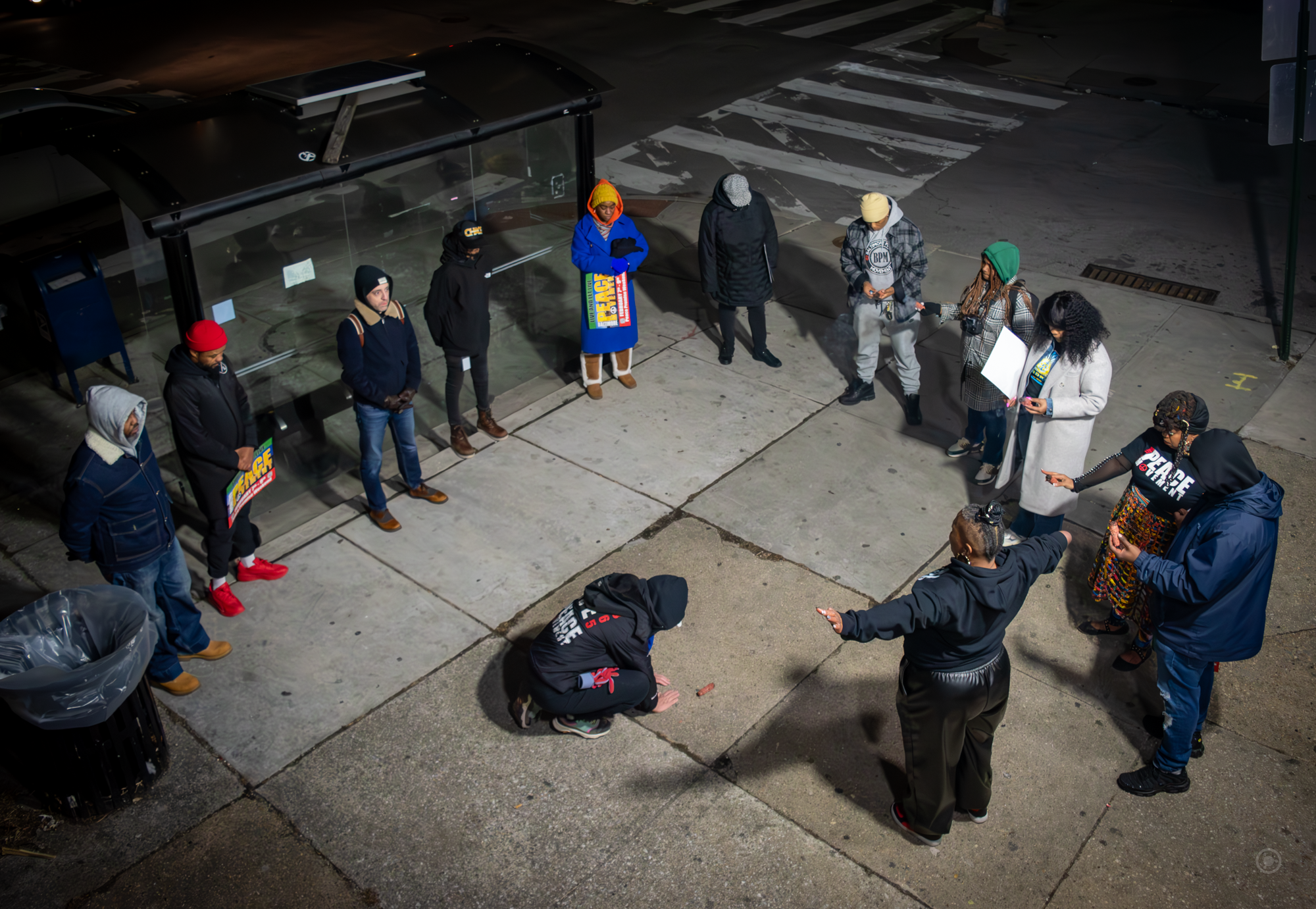
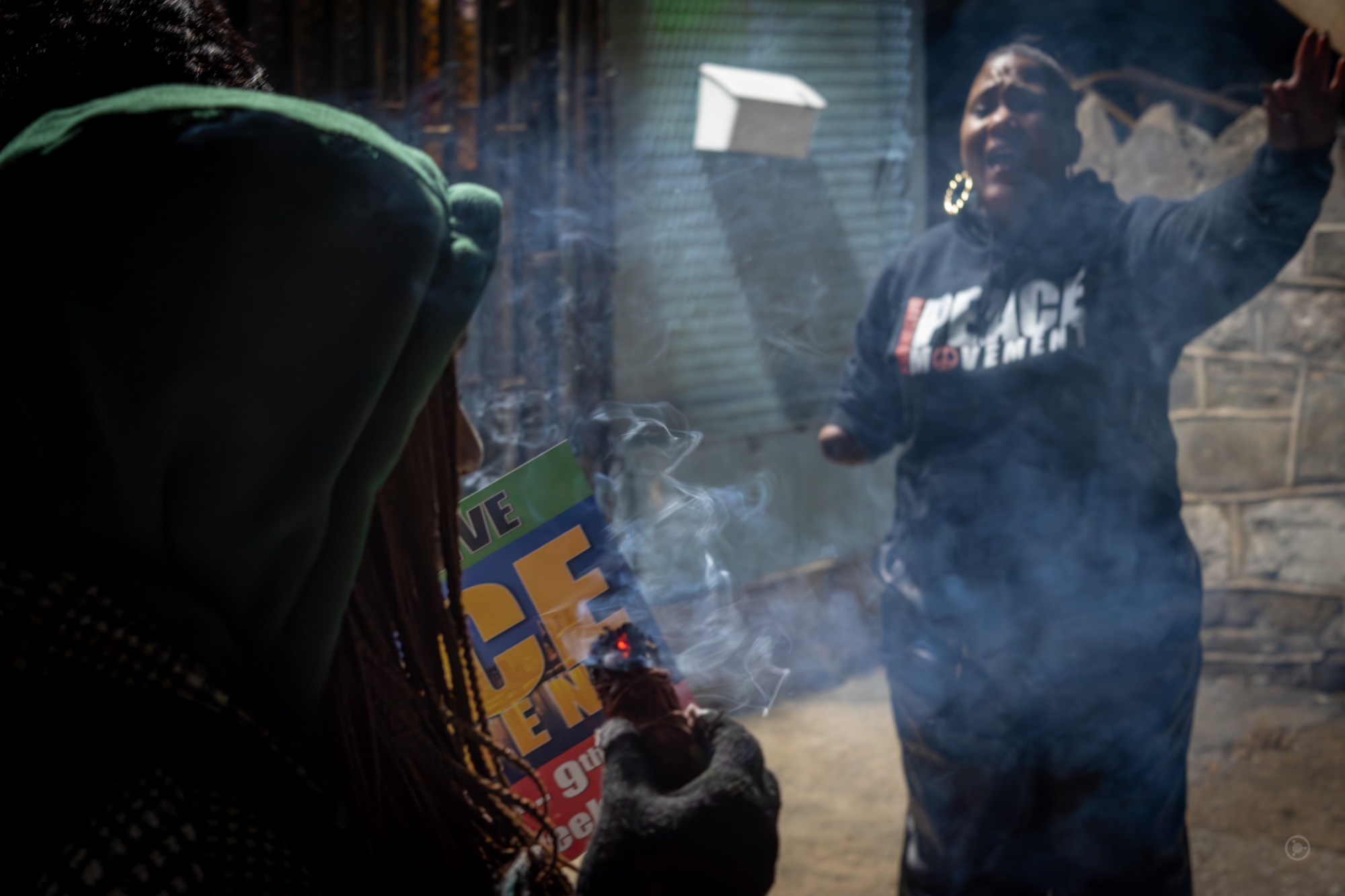
Last night was the launch of the Baltimore Peace Movement Weekend Rally. I went out and took pictures.

Tonight was the launch of the Baltimore Peace Movement Weekend Rally.

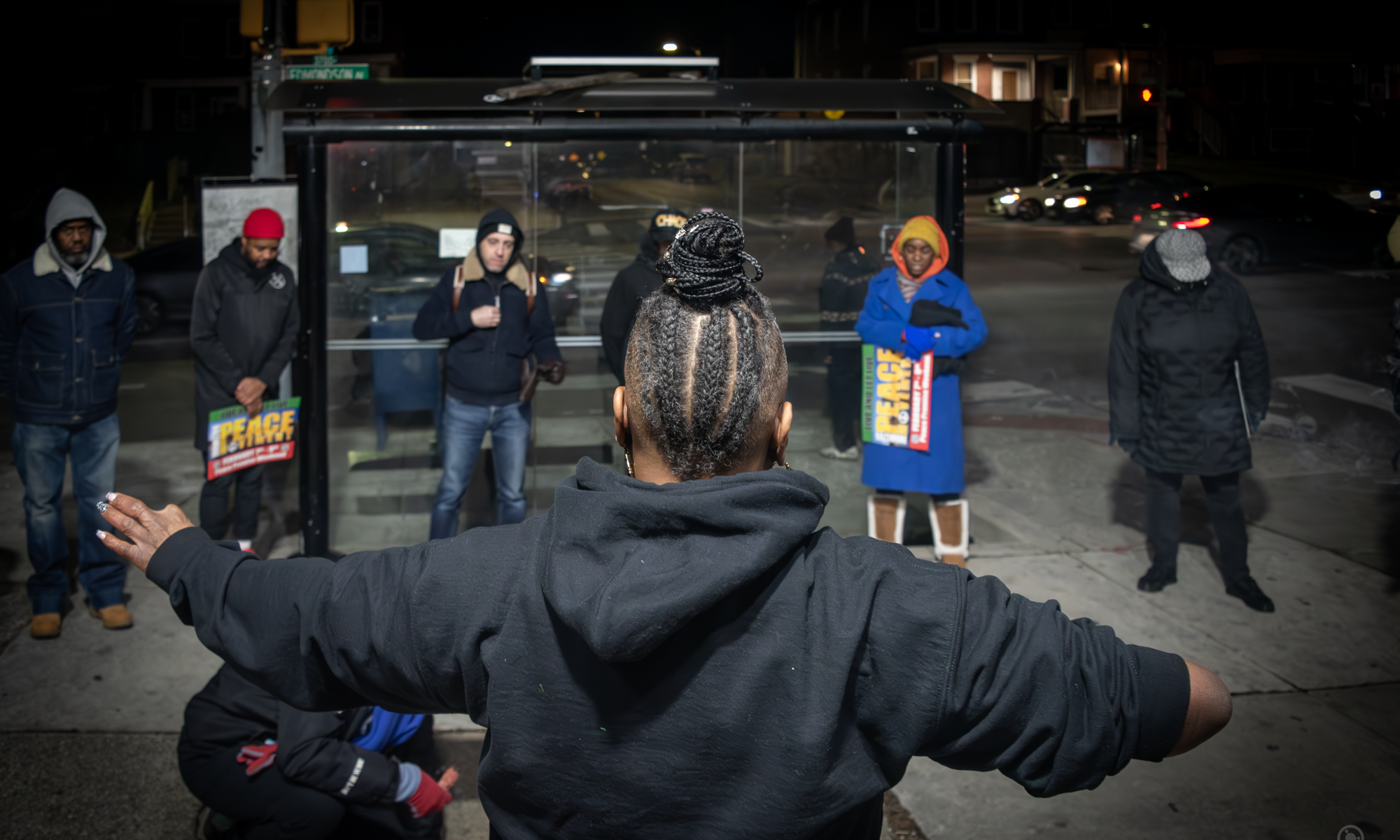
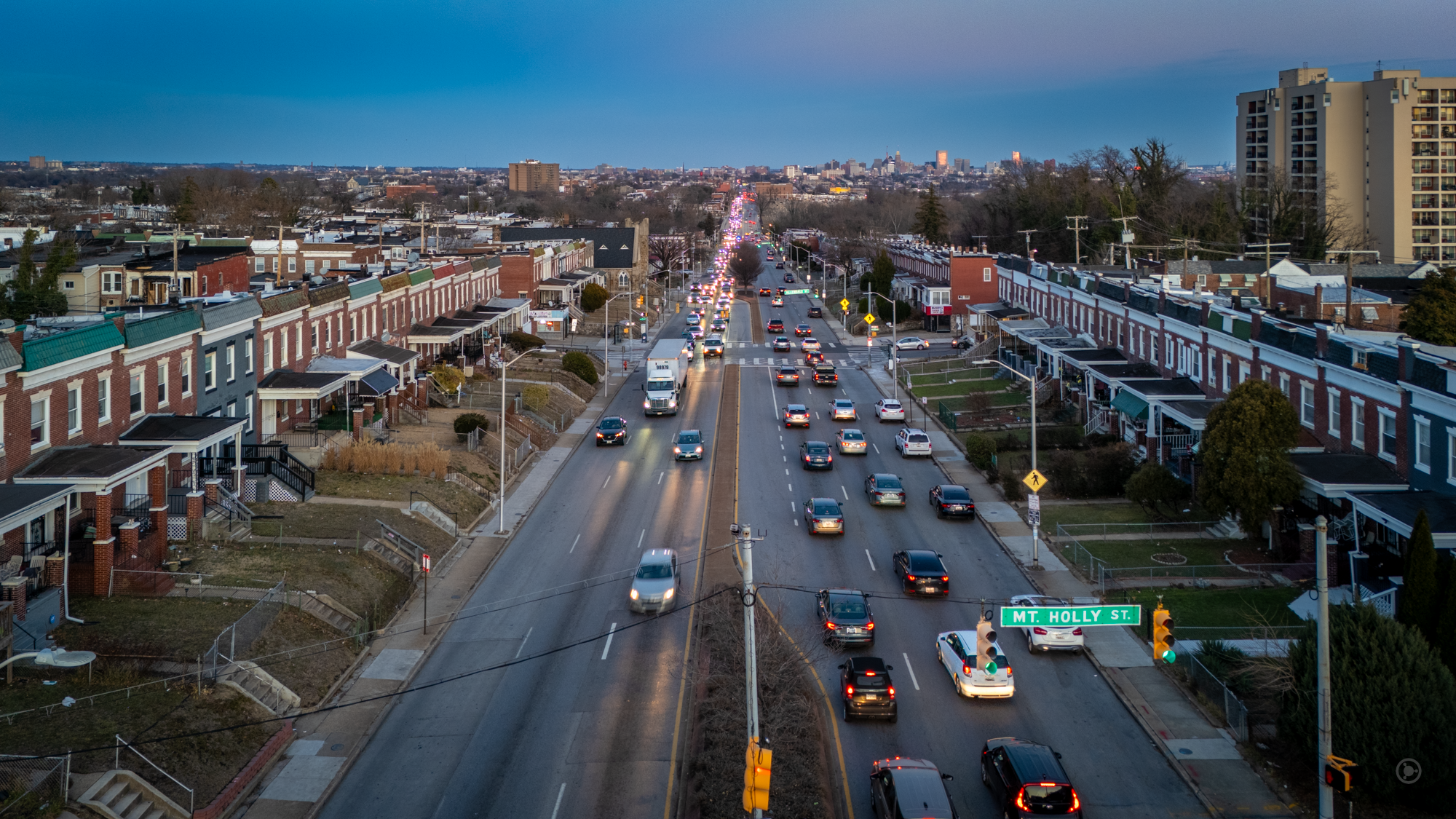
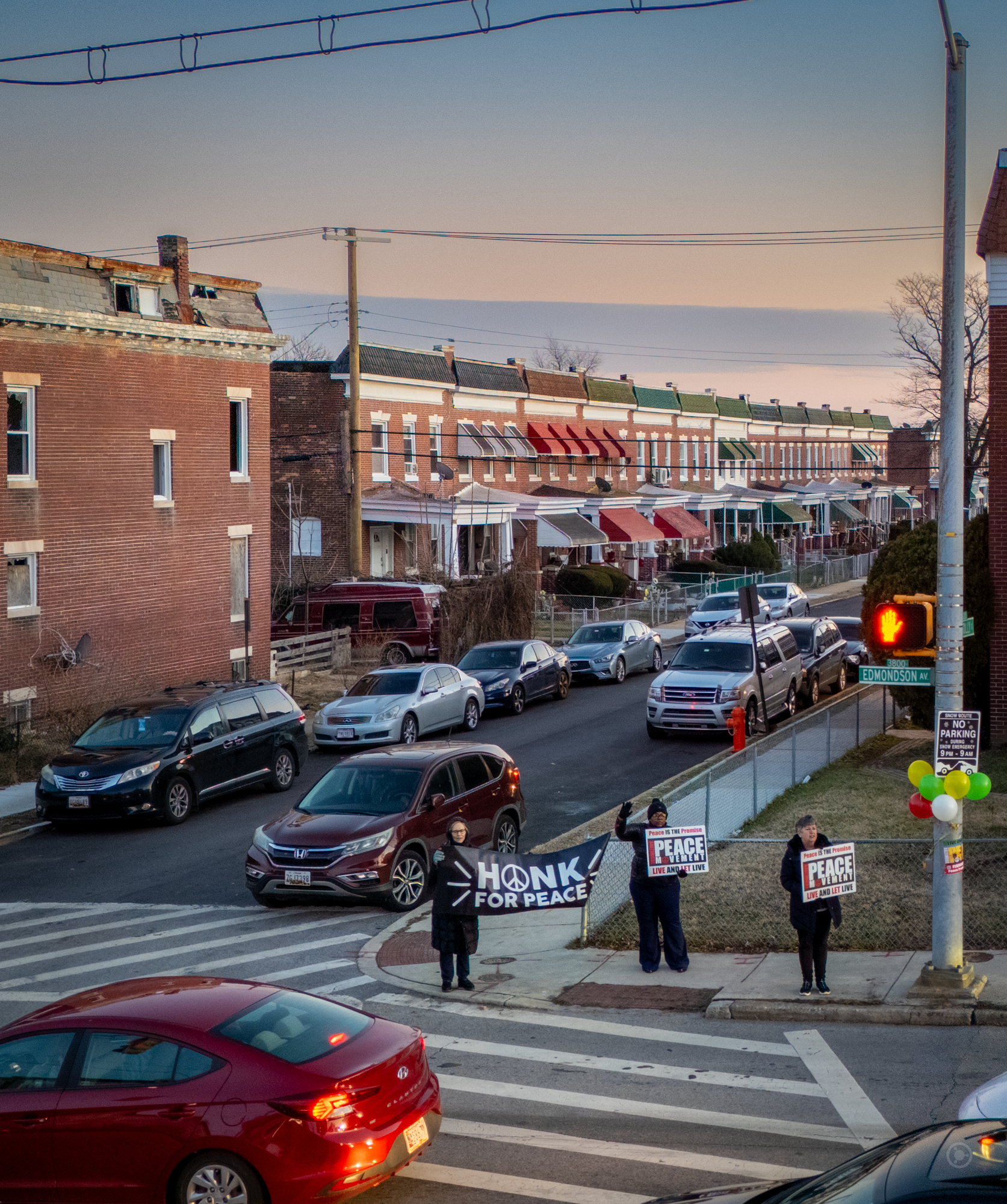
We gathered at Mount Holly & Edmonson Ave, a block west of where we normally meet. Because of the cold, St Bernardine Roman Catholic Church opened its doors so that those who were cold could warm up.

We stood on the corners, encouraging drivers to honk their horns, as we kicked off the Peace Movement Weekend.

The Baltimore Peace Movement began as the Baltimore Cease Fire, a movement to stop gun violence in Baltimore. Since then, as it has become a successful instrument in reducing the homicides and violence the city has traditionally experienced, it has expanded its mission to be more helpful to the people of Baltimore.

While we were gathered, one of our Ambassadors pointed out that just a block away, a young man, Lamel Edwards, had been killed.

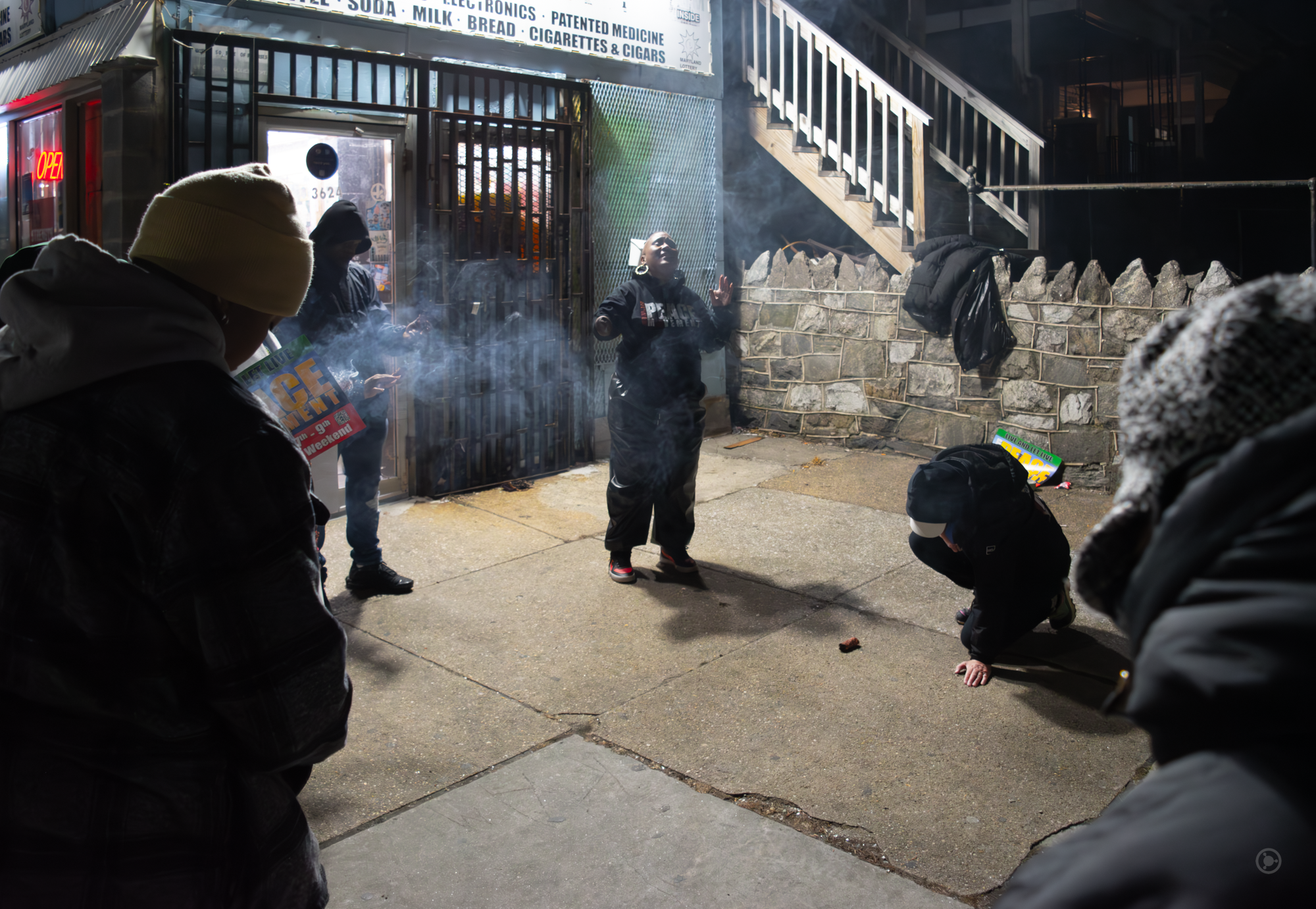
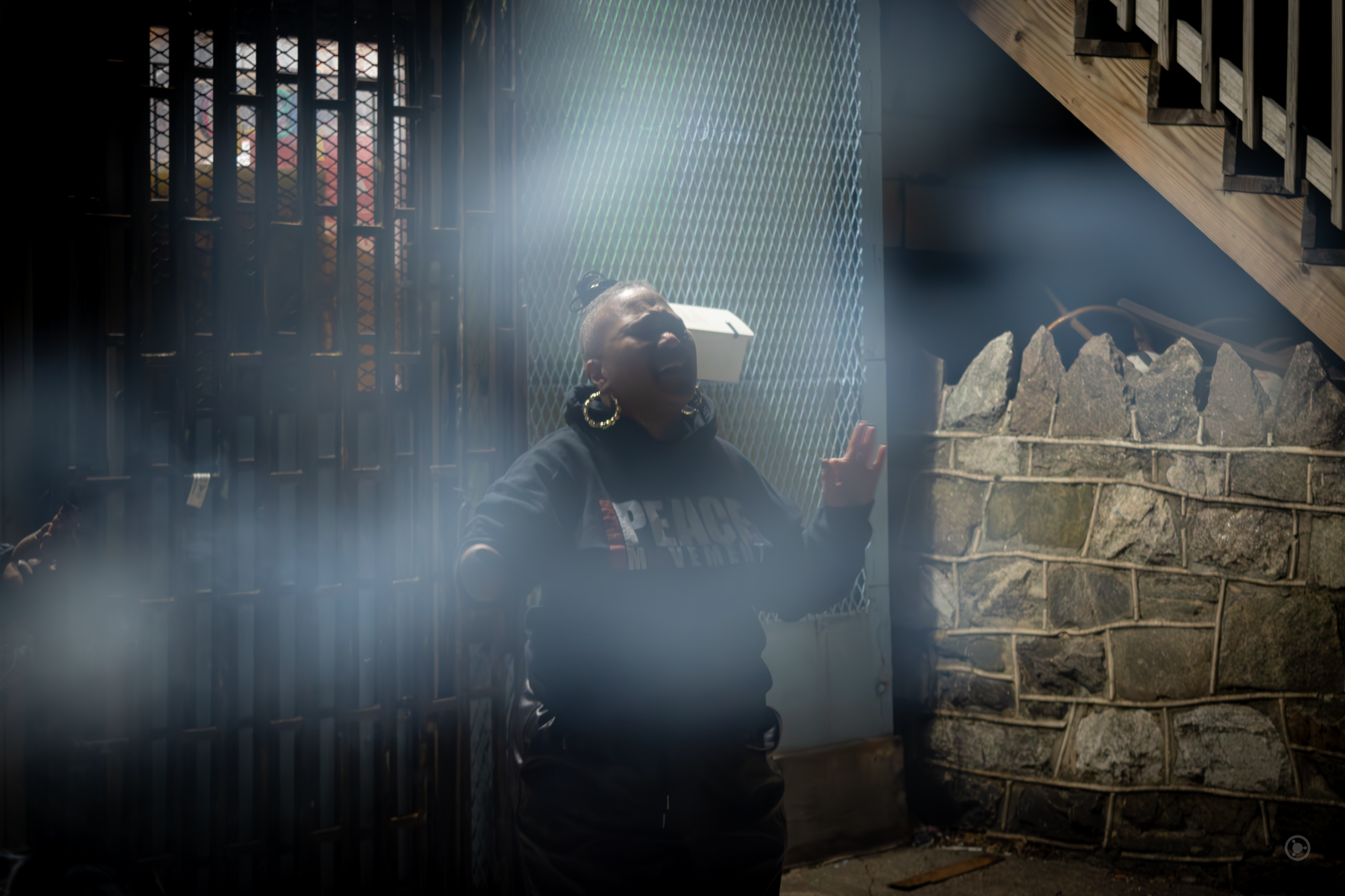
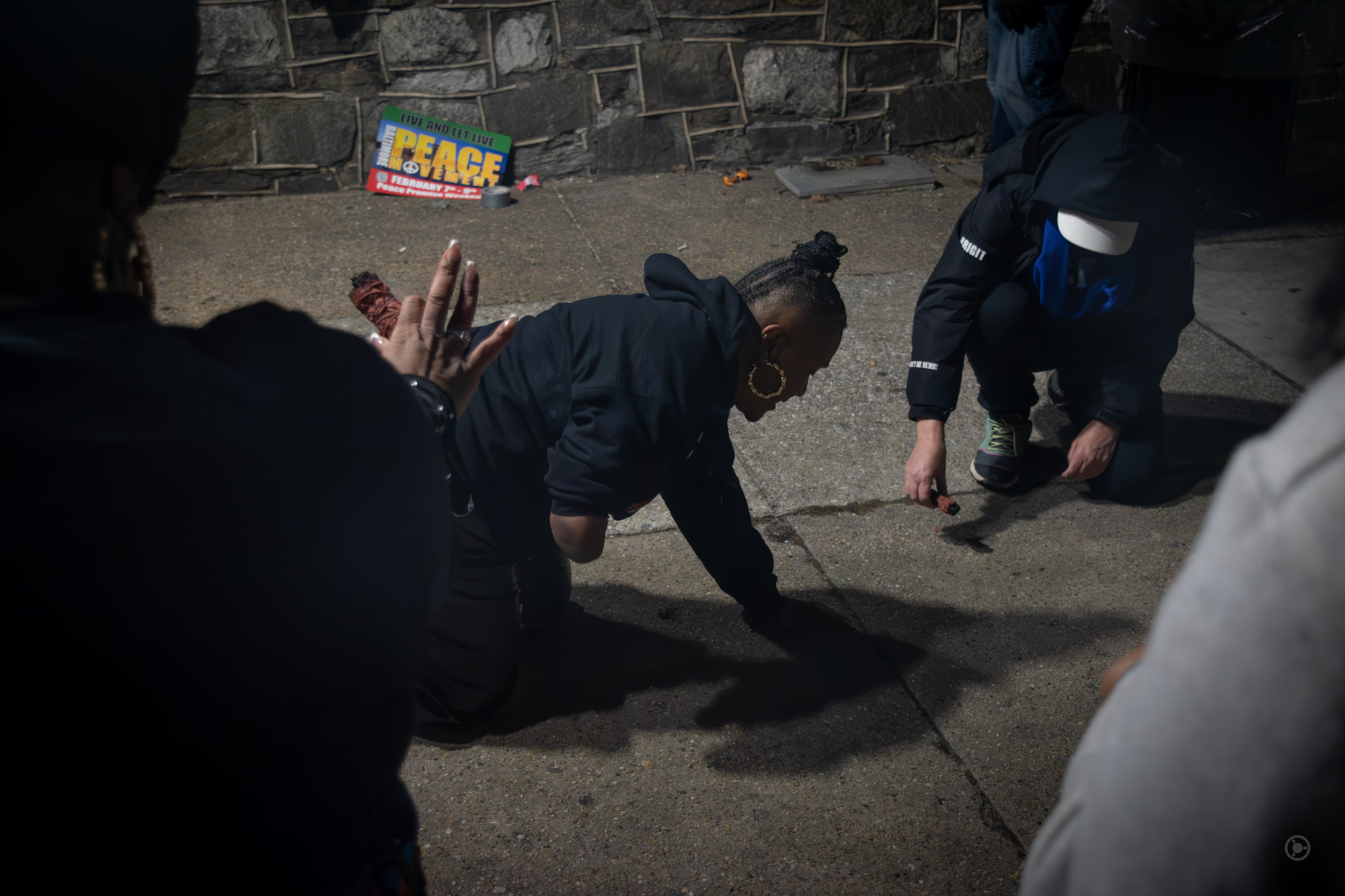
The Baltimore Peace Movement has been doing Sacred Spaces since early in its history. We gather in spaces where someone has been hurt by violence in the city and intentionally bring peace to that space.

And so we did that tonight as well.

I also made a video:

The Baltimore Peace Movement has been an important reason why violence has decreased lately. Their work helping with mediation, comfort, and support for the families who have lost loved ones, and many many more things have been a healing salve on the city.

If you’d like to learn more about them and contribute to their work, you can do that here: https://baltimorepeacemovement.com